/ Most Viewed
Microsoft Data Suggests 1 Out of Every 14 Downloads is Malware
Microsoft Program Manager, Jeb Haber, reports in a blog post that from browser data collected on user downloads, 1 out of every 14 programs downloaded is later confirmed as malware. Haber says: "Consumers need information to make better decisions. That said, IE9 adds another layer of defense against socially engineered attacks that now looks at the application being downloaded -- this is in addition to the URL-based protection described above. This new layer of protection is called SmartScreen Application Reputation." more
- CircleID Reporter
- Comments: 0
- Views: 5,327
FBI Pushing Enforcement Action Against Money Mules
Brian Krebs reporting on the Krebs on Security blog: "The FBI's top anti-cyber crime official today said the agency is planning a law enforcement action against so-called 'money mules,' individuals willingly or unwittingly roped into helping organized computer crooks launder money stolen through online banking fraud." more
- CircleID Reporter
- Comments: 0
- Views: 5,326
Who Uses the Internet?
 Pew Research finds most Americans are online, yet access still tracks income, age and geography. Broadband gaps persist as subsidies fade, while smartphone dependence rises, reshaping how millions connect to work, services and civic life. more
- Doug Dawson
- Comments: 0
- Views: 5,322
Cisco’s Big Bet on IoT, Acquires Jasper for $1.4 Billion
Cisco has announced its intent to acquire Jasper Technologies, Inc., a privately held company based in Santa Clara, which provides a cloud-based IoT service platform helping enterprises and service providers launch, manage and monetize IoT services on a global scale. more
- CircleID Reporter
- Comments: 0
- Views: 5,310
Building a Trusted Internet Starts with Hosting Providers
 The Secure Hosting Alliance has introduced a certification programme to establish clear, verifiable standards for internet hosting providers, aiming to improve accountability, boost transparency, and strengthen the trust that underpins global online infrastructure. more
- David Snead
- Comments: 0
- Views: 5,309
Undersea Cables as a Layer of the AI Tech Stack
 As AI shifts from experimentation to real-world deployment, its unseen foundation - undersea cables - emerges as a strategic frontier. Their resilience may shape not only infrastructure policy but the outcome of US-China AI competition. more
- Charles Mok
- Comments: 0
- Views: 5,304
Largest IXP Files Complaint Against Snooping
Decix, the largest internet traffic exchange point (IXP) worldwide, has had it with the snoops. The Frankfurt company on Thursday confirmed a report by the Sueddeutsche Zeitung that it will file a complaint at the German Federal Administrative Court against the obligation to grant broad access to the German Intelligence Service (BND) to the traffic transiting its large switches. more
- CircleID Reporter
- Comments: 0
- Views: 5,304
Granular Regulation: A Future-Ready Framework for Effective AI Governance and Beyond
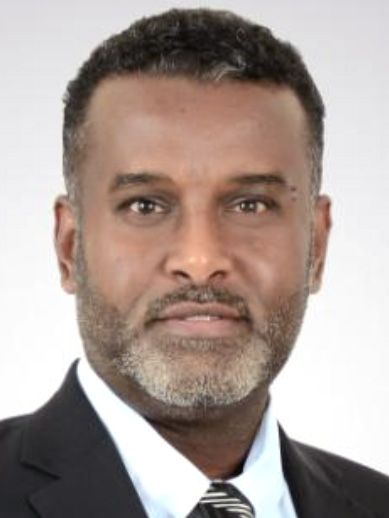 Granular regulation offers a new governance framework for AI, blending flexibility with enforceability. By translating broad principles into risk-sensitive, technical mandates, it overcomes the rigidity of rule-based models and the vagueness of principle-based approaches. more
- Sami Salih
- Comments: 0
- Views: 5,302
ICANN’s 52nd Meeting Kicks Off in Singapore
Singapore's Minister of Communications and Information, Dr. Yaacob bin Ibrahim, and former Senior Advisor to President Bill Clinton, Ira Magaziner, spoke to the success of the multistakeholder model of Internet governance during the Opening Ceremony of ICANN's 52nd public meeting today... more
- CircleID Reporter
- Comments: 0
- Views: 5,300
Internet Society Submits Comments on IANA Stewardship Transition Proposal
Internet Society submitted its comments today in response to the Call for Public Comment by the IANA Stewardship Transition Coordination Group. "The Internet Society has consistently advocated for the globalization of the IANA functions, said President and CEO Kathryn Brown in a related post today. "We firmly believe that the global community is ready now to assume this important stewardship role and that a successful completion of this process is a critical step in providing additional confidence in the collaborative and multistakeholder Internet governance model." more
- CircleID Reporter
- Comments: 0
- Views: 5,297
Cameras, DVRs Used for Massive Cyberattack on French Hosting Company and Others
"Hackers infect army of cameras, dvrs for massive internet attacks," reports Drew Fitzgerald in the Wall Street Journal. more
- CircleID Reporter
- Comments: 0
- Views: 5,296
APWG: The Internet Has Never Been More Dangerous
Anti-Phishing Working Group (APWG) released its latest Phishing Activity Trends Report today warning that the number of unique phishing websites detected in June rose to 49,084, the highest since April, 2007's record of 55,643, and the second-highest recorded since APWG began reporting this measurement. "The number of hijacked brands ascended to an all-time high of 310 in March and remained, in historical context, at an elevated level to the close of the half in June," says the report. more
- CircleID Reporter
- Comments: 0
- Views: 5,295
GOP Lawmakers Say NTIA Violated Law in IANA Transition Plan
A number of Congressional Republicans today questioned National Telecommunications and Information Administration (NTIA) for apparent violation of federal law in using federal funds to relinquish U.S. oversight of the Internet. more
- CircleID Reporter
- Comments: 0
- Views: 5,294
It’s Time to Change the US’ Cuba-Internet Strategy
 In a post last week, I advised Cuban President Díaz-Canel that investment in fixed broadband Internet would benefit both the Cuban people and his regime. This week, I've got advice for US President Biden -- don't try to out-pander the Republicans and call President Díaz-Canel's bluff by offering support for fixed broadband. What won't work... more
- Larry Press
- Comments: 0
- Views: 5,282
Unlike Earlier Revolutions, AI Is Threatening the Professional Class
Unlike past technological shifts, artificial intelligence is automating high-skilled professions before low-skilled ones. This reversal challenges long-held assumptions about job security, expertise, and governance, forcing policymakers to rethink regulation, trust, and digital sovereignty. more
- Sami Salih
- Comments: 0
- Views: 5,281