
Welcome:
Login
|
Sign Up
|
About CircleID
Follow:
|
|


|
||
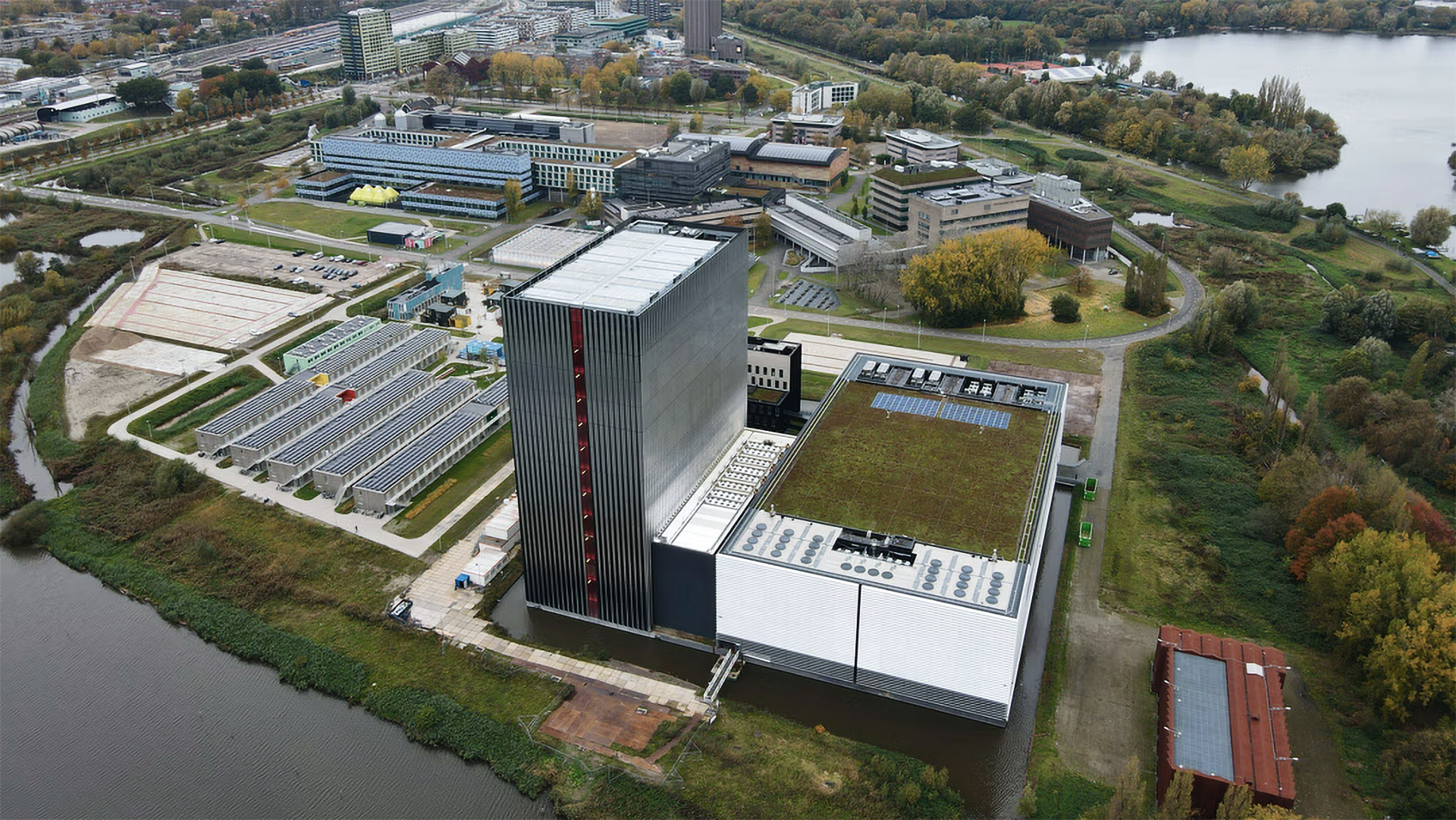
Dutch police have seized a server belonging to Italian Internet infrastructure provider Autistici/Inventati (A/I) at the request of U.S. authorities, extending an American terrorism sanctions case into European data infrastructure. The October 13 seizure in Amsterdam follows sanctions that forced the nonprofit collective to shut down its hosting and communications services.
Server data is being copied for U.S. authorities. According to NL Times, citing Dutch newspaper NRC, police removed the server from a data center in Amsterdam’s eastern district under a U.S. mutual legal assistance request. Investigators are creating a digital image of its contents for transfer to the United States. Police have not disclosed which information will be shared, and the hardware is expected to be returned once the process is complete.
The seizure follows an August 26 terrorism designation. The U.S. Treasury’s Office of Foreign Assets Control (OFAC) designated A/I a Specially Designated Global Terrorist, alleging that its encrypted email, web hosting and other services supported violent antifascist groups. Founded in 2001, the Italian collective provided privacy-oriented Internet infrastructure to activists, journalists and civil society organizations internationally.
The sanctions rapidly disrupted A/I’s operations. Its .org domain was suspended by U.S.-based registry operator Public Interest Registry, while financial service providers restricted access to its accounts. On September 6, A/I announced its closure, affecting approximately 16,000 email accounts, 1,500 websites, 5,500 mailing lists and 10,000 blogs.
The case exposes the international reach of U.S. infrastructure controls. Although A/I operated from Italy, its dependence on American-controlled domain infrastructure and financial intermediaries made it vulnerable to U.S. sanctions. The subsequent Dutch seizure adds a separate cross-border law enforcement dimension, involving European-hosted equipment and data potentially transferred to American investigators.
Digital rights organization ARTICLE 19 warned in September that sanctioning an entire infrastructure provider for the alleged activities of some users threatens freedom of expression. The organization argues that such measures disproportionately affect unrelated customers and undermine international standards requiring restrictions on expression to be lawful, necessary and proportionate.
ARTICLE 19 also highlighted the vulnerability of the Domain Name System to national sanctions regimes. Suspending a provider’s domain can simultaneously disable thousands of otherwise unrelated websites and email services, without individual assessments of their content or activities.
The legal basis for the Dutch cooperation remains unclear. While police confirmed acting under a U.S. legal assistance request, publicly available reporting does not establish the underlying investigation’s scope, the specific legal grounds supporting the seizure, or whether the data transfer faces additional judicial scrutiny. A source familiar with A/I told NRC that the Amsterdam server was encrypted and was among the collective’s remaining infrastructure awaiting removal. (Source: Keep It Free)
The case illustrates how sanctions imposed in one jurisdiction can affect Internet infrastructure, service providers and users across national boundaries, including through domain registries, financial intermediaries and international law enforcement cooperation.
Sponsored byIPv4.Global

Sponsored byVerisign

Sponsored byRadix

Sponsored byCSC
Sponsored byVerisign
Sponsored byDNIB.com
Sponsored byWhoisXML API

A World-Renowned Source for Internet Developments. Serving Since 2002.