Welcome:
Login
|
Sign Up
|
About CircleID
Follow:
|
|
|

New TLDs |
Sponsored by |

|

 ICANN's gTLD expansion program is structured to collect fees regardless of outcomes, leaving brand, portfolio and single-string applicants bearing financial risk while accountability mechanisms offer little meaningful remedy when the process fails.
 Telegram says it has applied for .gram, potentially giving a billion users DNS addresses while putting its governance, abuse controls, legal exposure and infrastructure under scrutiny as ICANN prepares to reveal applications.
 Project Jake proposes a voluntary, group-based framework for domain registration data disclosure, giving registrars and registries control over access while establishing standardized agreements, requester validation and sensitivity levels to balance privacy with legitimate data needs.
 Barbados-born cybersecurity specialist Niel Harper joins ICANN's board in October, aiming to strengthen Latin American and Caribbean participation, improve DNS security and abuse mitigation, and expand developing-economy access to the next gTLD round.
Past gTLD disputes show applicants can win ICANN accountability rulings without obtaining the contested string, raising a critical question for 2026 applicants about whether expanded review mechanisms can deliver meaningful remedies.
 Fourteen years after ICANN's last gTLD expansion, registration figures offer an incomplete verdict. The next round will test whether applicants can build namespaces with enduring relevance, rather than merely generating impressive launch volumes and revenues.
 Research suggests criminals may control a striking share of newly registered gTLD domains, raising questions about whether ICANN's definitions, contractual safeguards and enforcement mechanisms are keeping pace with the industrial scale of technology-facilitated harm.
DotConnectAfrica's landmark .AFRICA IRP victory established an ICANN accountability precedent later expressly invoked by Amazon. Selective amplification has since detached that precedent from its origins, distorting the historical record.
 With more than 1,600 applications filed for ICANN's 2026 new gTLD Round, self-revealing applicants face uncertainty over whether pre-Reveal Day communications and agreements about overlapping strings could violate strict rules against privately resolving contention sets.
 With applications closed, new gTLD hopefuls face a changed calculation: revealing strings early could expose contention while information remains financially valuable, helping applicants make better decisions before fees are paid and withdrawal becomes increasingly costly.
 Domains Under Management (DUM) measures a namespace's size, but not its character. Structural composition could reveal whether growth reflects durable adoption, speculative holdings or noise, giving registries a richer view of namespace health and strategy.
 AI can help applicants navigate ICANN's complex new gTLD process, from business planning and financial modeling to drafting and reviewing applications, pointing towards faster, cheaper and increasingly automated domain-name rounds in the future.
A larger namespace confirms the same four-layer structural pattern found across nTLDs, while revealing wider operator-to-investor variation and distinctive noise signatures that expose different registration dynamics hidden behind headline registration totals.
 Twelve real-world dotBrand success stories show how organizations strengthen trust, improve security, simplify customer experiences, and create measurable business value. From AI-driven innovation to global digital ecosystems, dotBrand domains are becoming essential infrastructure worldwide today.
Registration totals reveal size, not composition. Structural analysis of major new gTLDs finds strikingly similar architectures but meaningful differences in operator adoption, speculative holdings, and noise, suggesting namespace health requires more than volume metrics alone.
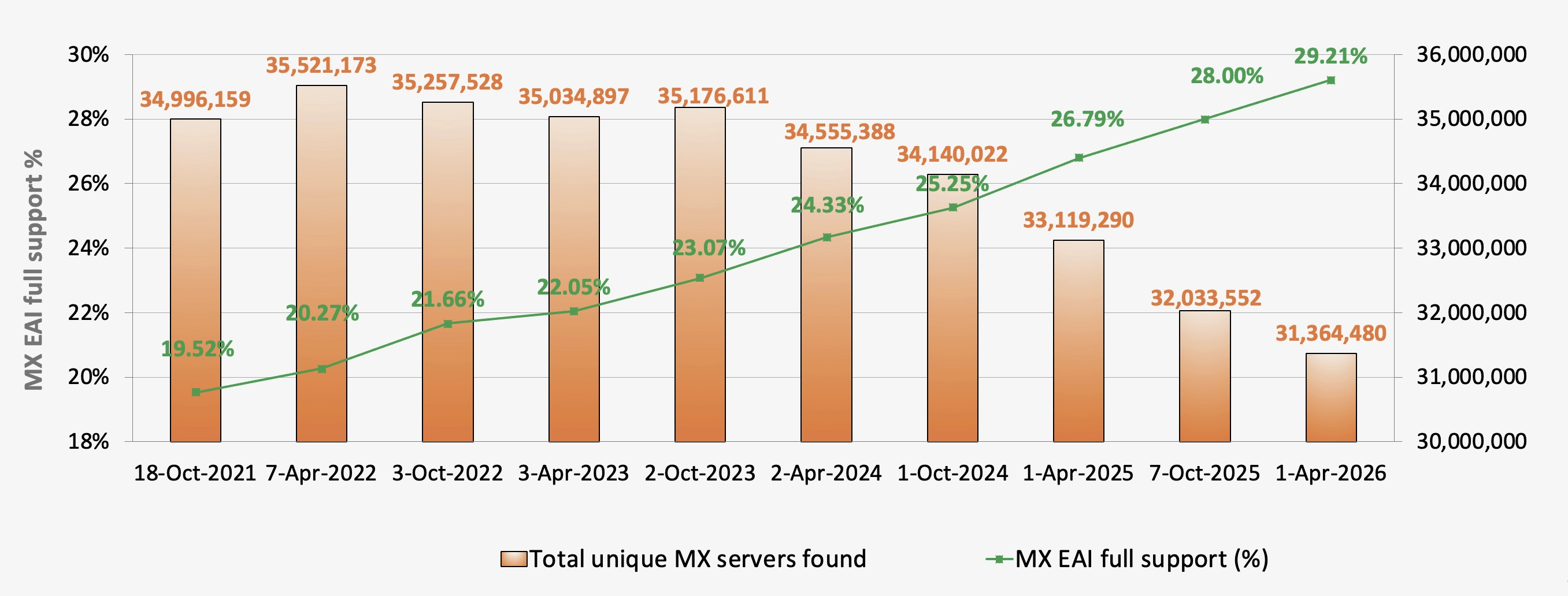 ICANN Sets Guidelines to Advance Universal Acceptance of Internationalized Domains and Email
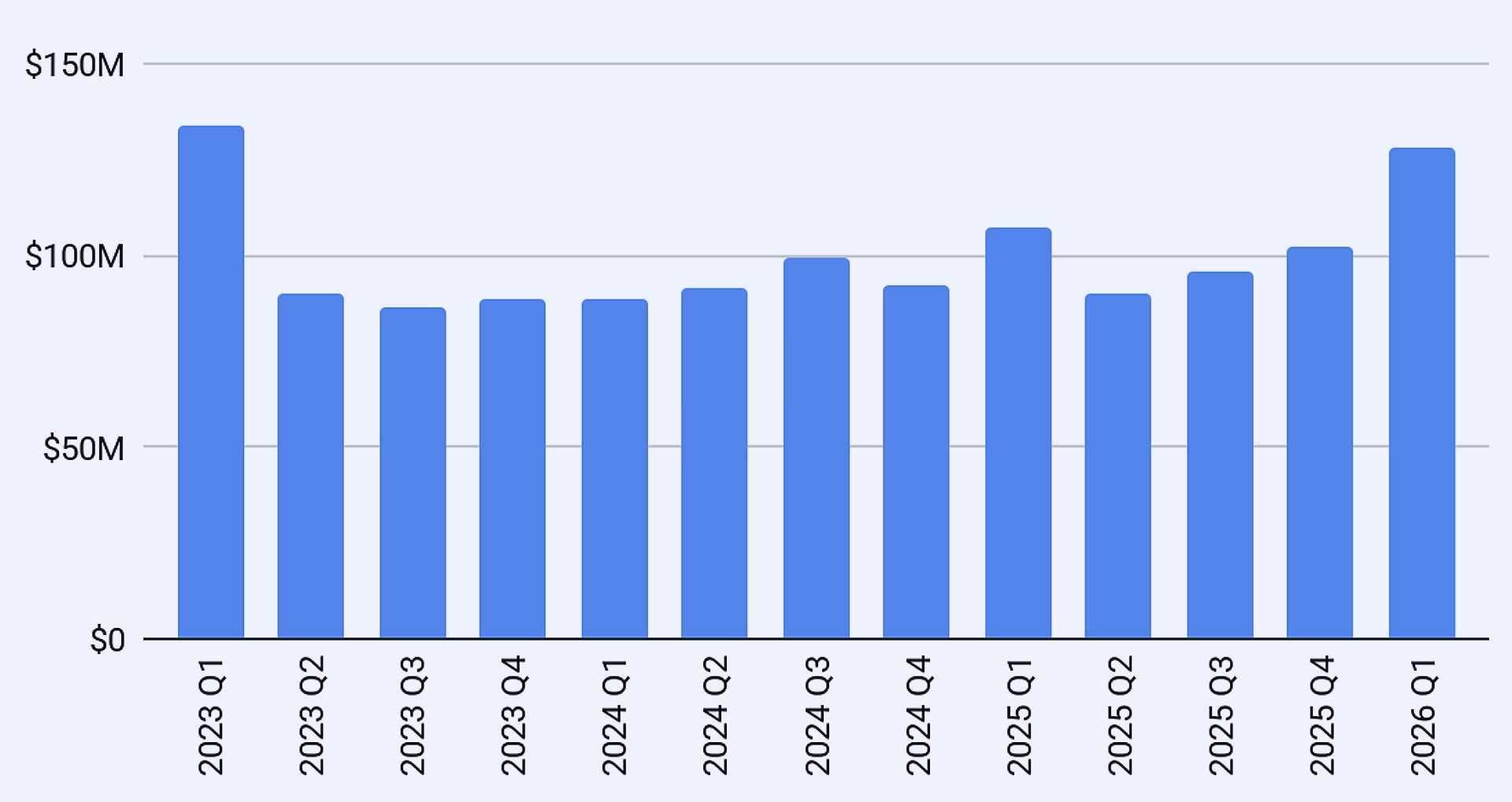 Blank Domain Names Surpass Websites in Value for the First Time, Report Finds
 ICANN Opens New gTLD Applications for First Time Since 2012, With $227K Entry Fee and 27 Scripts
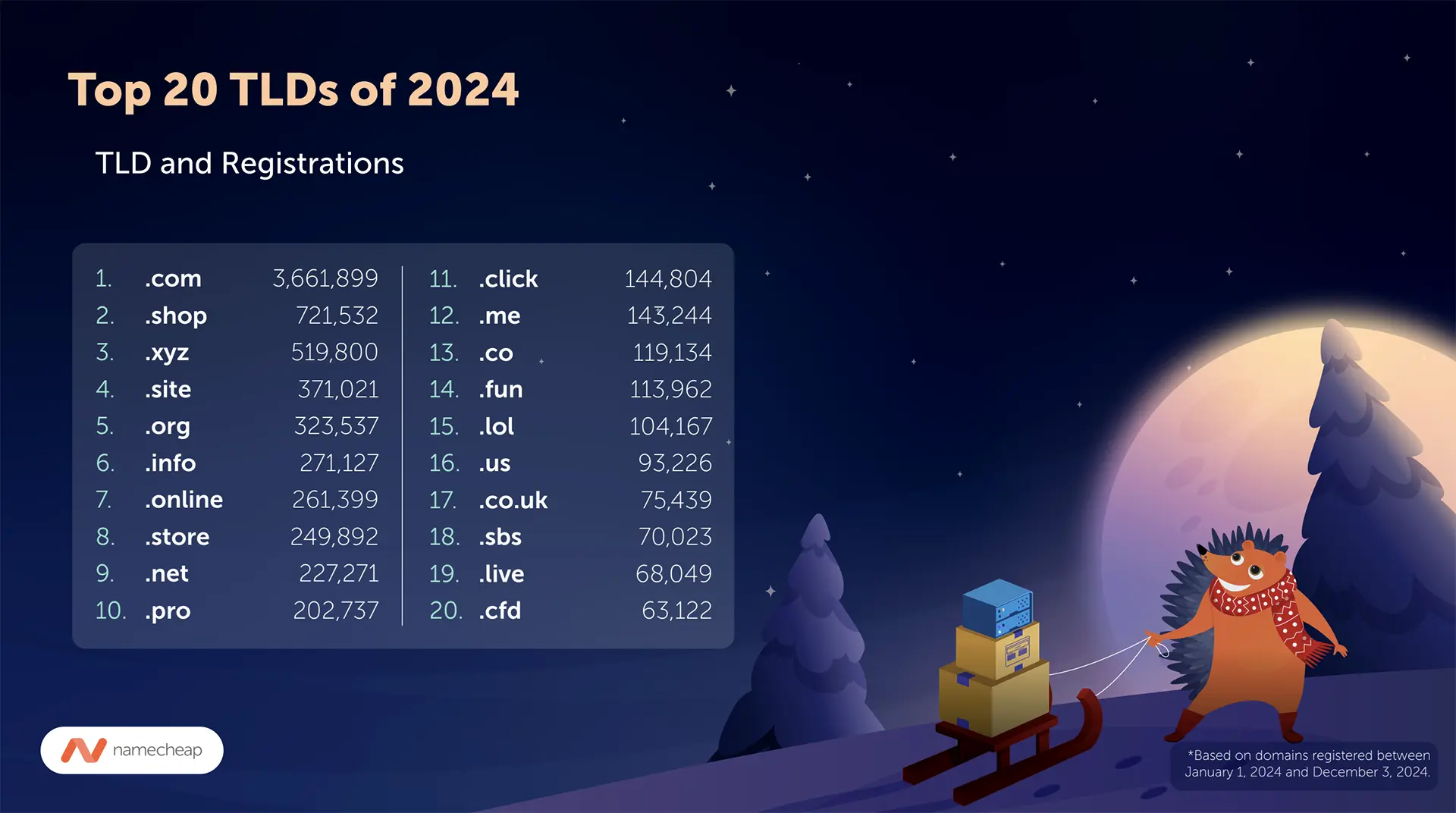 Domain Trends Signal Shifting Tides in 2024
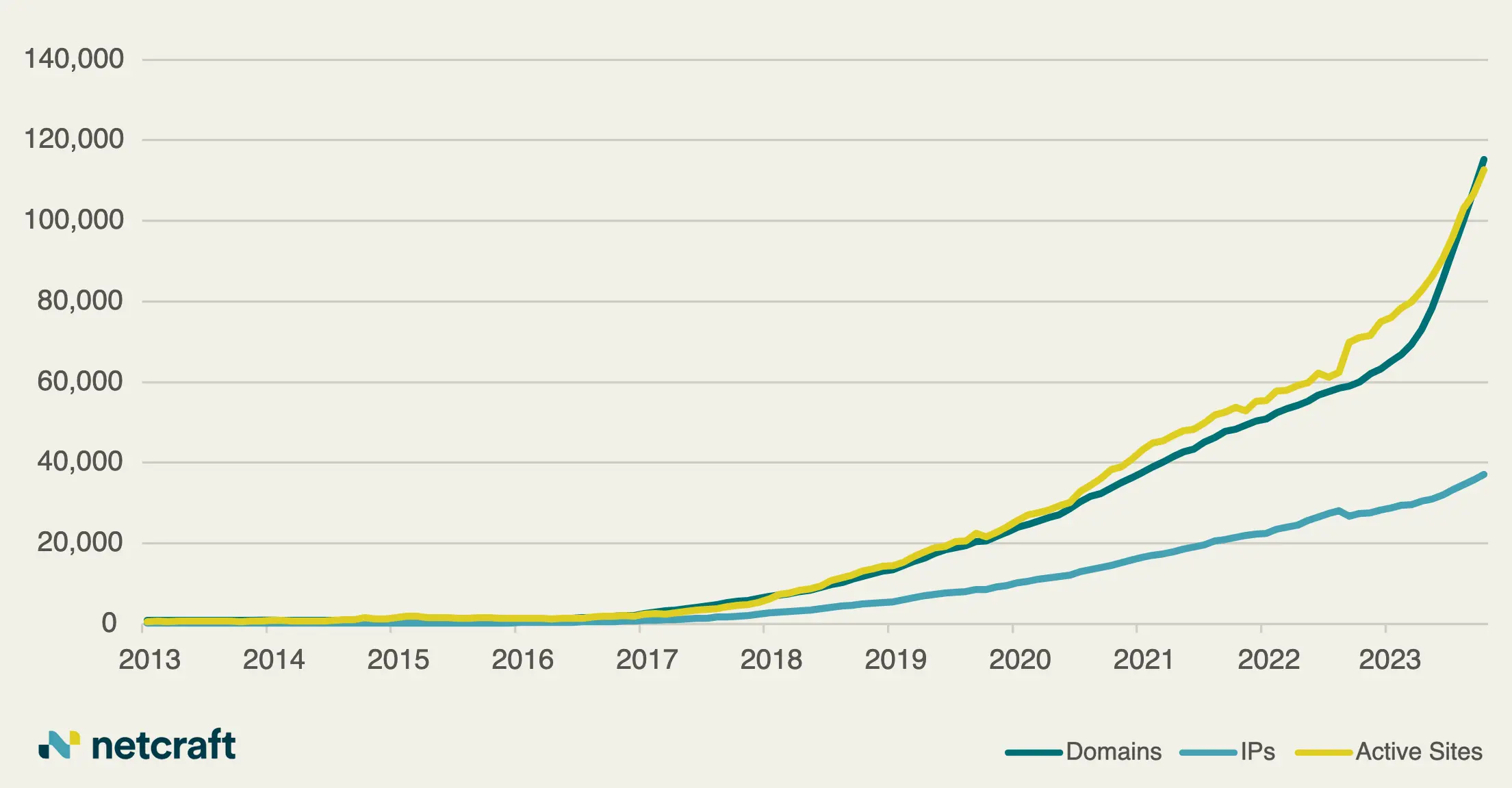 Rise in Cybercrime Exploiting Artificial Intelligence Hype Leads to Growing Threats Within the .ai Domain Space
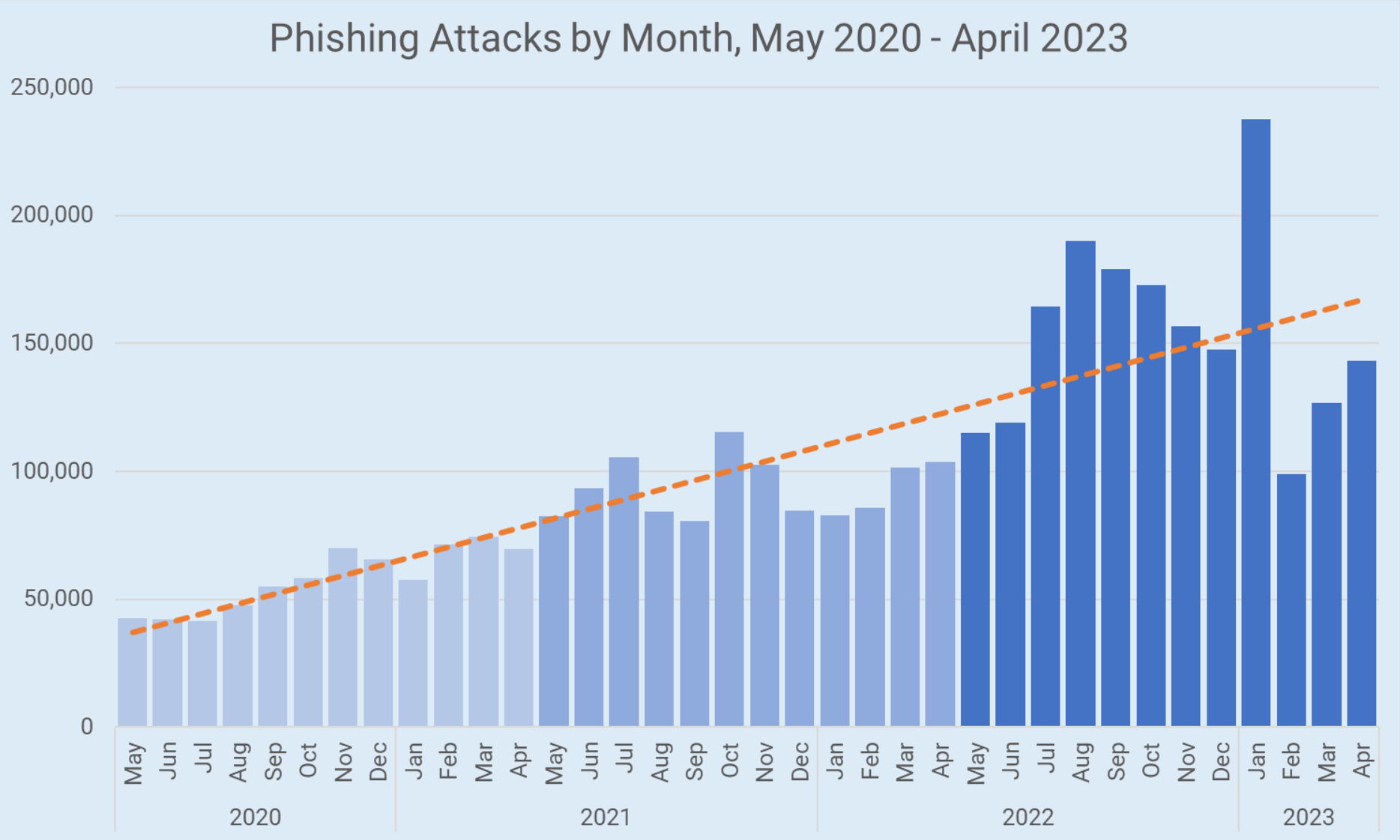 Phishing Attacks Surge Despite Increased Awareness, New Strategies Needed
Radix is making its biggest strategic bet yet, filing 46 primary applications for ICANN's next gTLD round after whittling 3.2m possibilities into a portfolio spanning AI, technology, health, finance, business, creators and culture. more
Radix's H1 2026 Premiums Report reveals record premium domain registrations, rising renewals, and growing demand for short, brand-defining names, underscoring how businesses increasingly view premium domains as strategic assets for long-term growth and digital identity. more
Radix reports a 96% surge in premium domain registrations in H2 2025, with strong renewal rates and rising demand across price tiers signalling that high-value digital assets are becoming core, long-term brand infrastructure. more
Radix's .store domain has soared past 500 million views across platforms through its high-profile collaboration with MrBeast, underscoring the power of strategic digital branding and creator-led commerce in the online economy. more
Radix has recorded its strongest performance yet in the premium domain space, with registrations growing by 50% year-on-year in the first half of 2025. This marks a dramatic upswing in demand for high-value digital assets, particularly within the technology sector. more
Adoption of new short and new long TLDs shows strong momentum, while IDN email compatibility continues to evolve across platforms. more
Radix's latest Premium Domains Report for the second half of 2024 highlights a strong performance across its portfolio, with .fun domains experiencing exceptional growth. Premium domain registrations increased by 11% year-on-year, while premium renewals rose by 16%. more
A World-Renowned Source for Internet Developments. Serving Since 2002.