
Welcome:
Login
|
Sign Up
|
About CircleID
Follow:
|
|


|
||
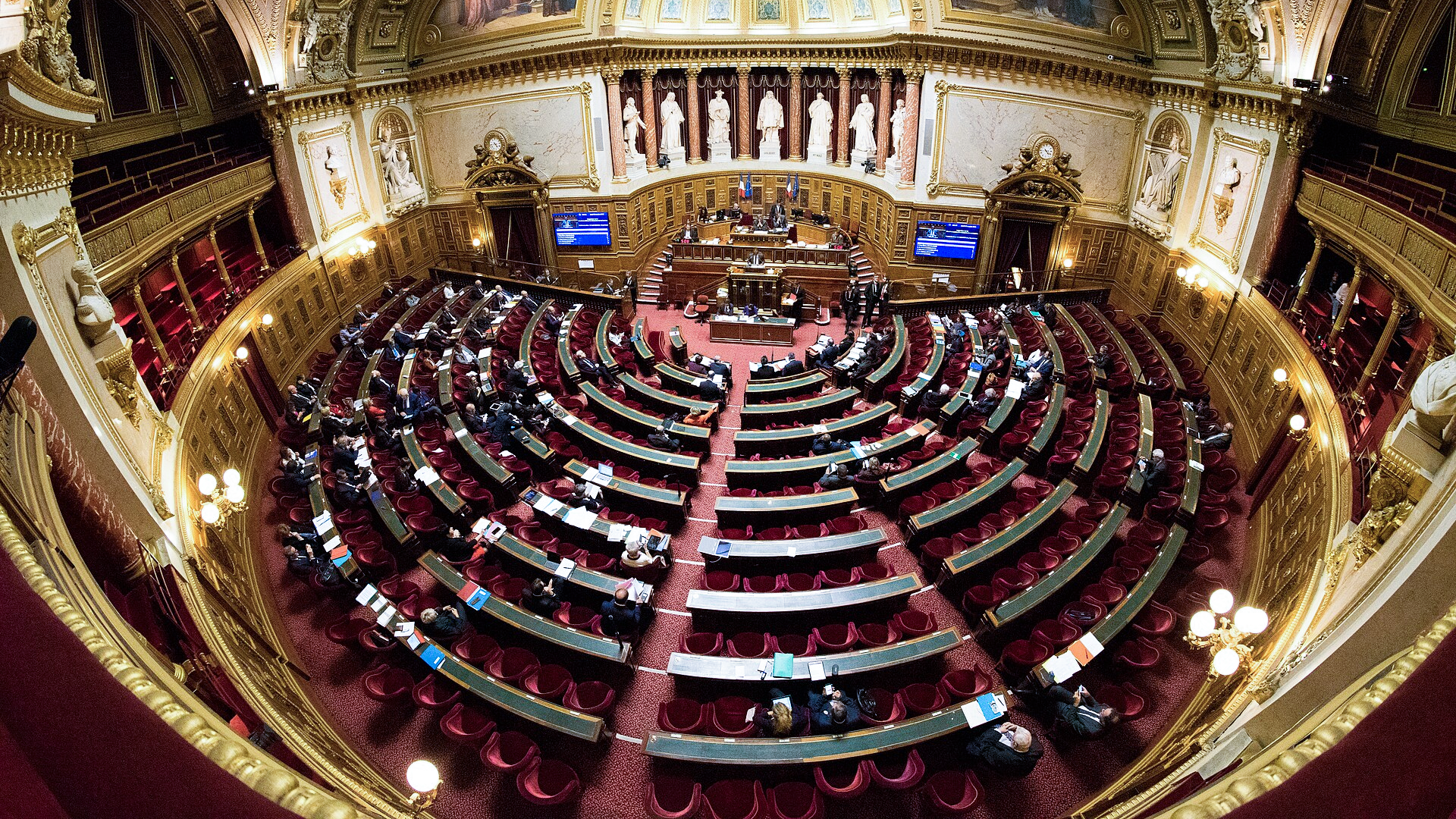
The French government proposed legislation Monday, October 26, that would allow authorities to order social media platforms to remove content calling for insurrection or attacks within one hour, with noncompliance potentially triggering website blocking and search engine delisting. The proposal follows revelations that officials had privately asked the country’s largest telecommunications operators to prepare DNS-based restrictions on major social networks during protests over the weekend.
The proposed law would expand administrative blocking powers. Under Amendment No. 94, submitted to the French Senate on October 26, authorities could require online platforms and hosting providers to remove content explicitly inciting or glorifying specified offenses involving insurrection, attacks, or taking up arms against the state or sections of the population.
Platforms would have one hour to comply. If the content remained available, authorities could initiate procedures to block access to the website and remove it from search engine results without obtaining prior judicial authorization. The proposal extends an expedited removal mechanism already established for terrorist content to additional categories of offenses.
The amendment also introduces a separate 24-hour removal procedure for certain content directly provoking violent crimes when it threatens serious public disorder. The Senate is scheduled to begin examining the broader public-order legislation on October 27.
Secret preparations for DNS filtering preceded the proposal. According to reporting by La Tribune, citing documents originally obtained by French investigative outlet Blast, Prime Minister Sébastien Lecornu’s office sent a confidential letter on October 22 asking Orange, SFR, Free, and Bouygues Telecom to prepare temporary restrictions on TikTok, Instagram, and Snapchat. X was subsequently added to the list.
The government wanted operators to be capable of restricting access through DNS filtering on 4G and 5G networks in specific geographic areas if demonstrations scheduled for October 24 turned violent, while preserving fixed-line Internet access where possible.
Network operators questioned the technical feasibility. During an October 23 meeting, telecommunications representatives reportedly warned that implementing geographically targeted DNS restrictions on short notice would be difficult. They also noted that virtual private networks and alternative DNS resolvers could circumvent such filtering.
DNS blocking interferes with the process of translating domain names into network addresses, but does not necessarily prevent access through other resolution services or encrypted connections. The proposed restrictions were never activated.
The developments revive questions about the legal limits of government-ordered Internet restrictions in France. In April 2025, France’s Conseil d’État ruled that the government’s 2024 suspension of TikTok during unrest in New Caledonia was unlawful.
Unlike the earlier operational preparations, the new amendment would establish an explicit statutory procedure for administrative intervention against specified online content. However, the legislation remains under parliamentary consideration, and its final provisions have not been determined.
Sponsored byCSC
Sponsored byWhoisXML API

Sponsored byDNIB.com

Sponsored byRadix

Sponsored byIPv4.Global

Sponsored byVerisign
Sponsored byVerisign


A World-Renowned Source for Internet Developments. Serving Since 2002.