
Welcome:
Login
|
Sign Up
|
About CircleID
Follow:
|
|


|
||
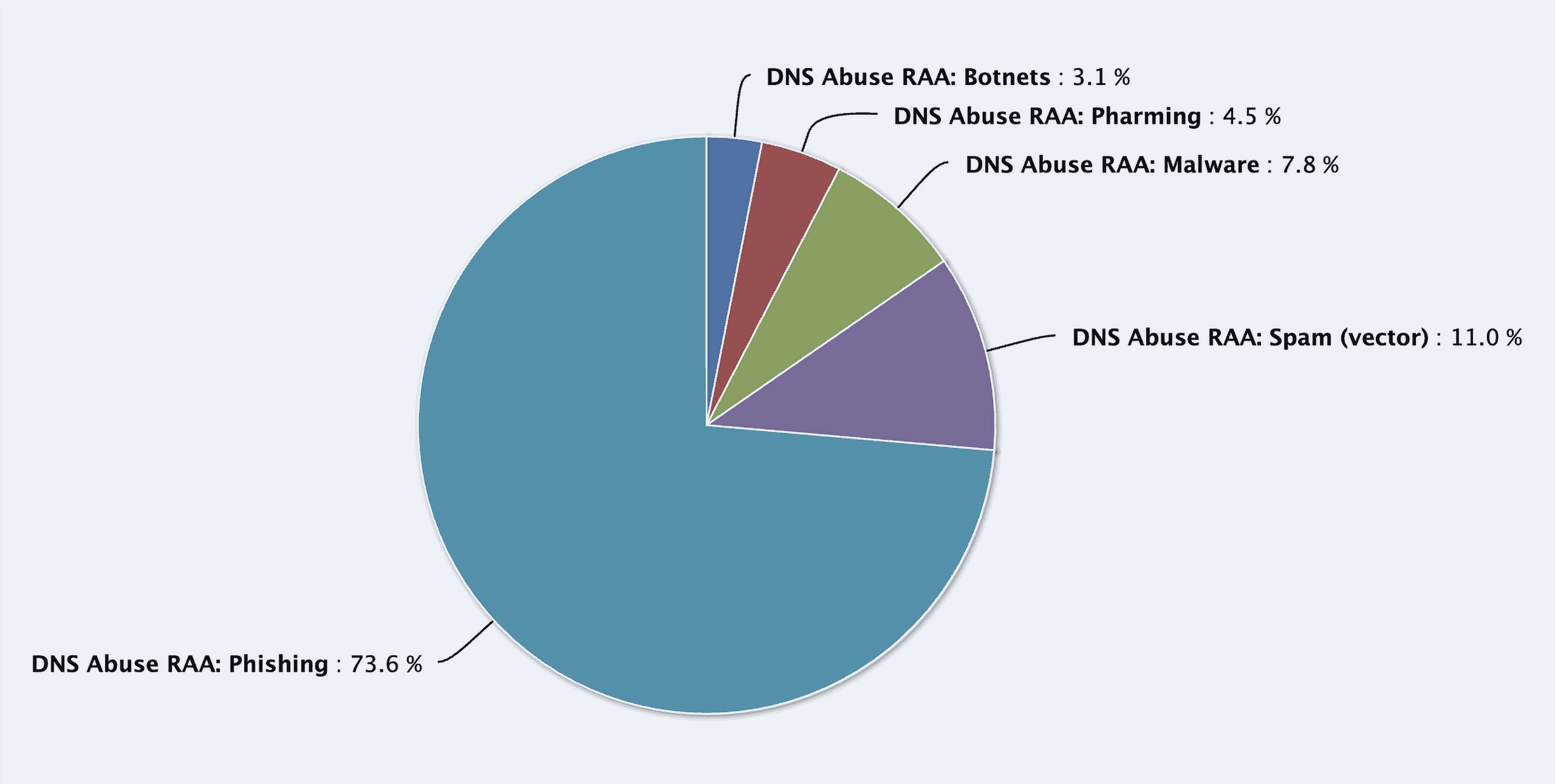
ICANN has updated its public data on DNS-abuse enforcement, offering a fuller test of whether tougher contractual obligations imposed on domain-name companies are translating into action against cybercrime.
The rolling dataset now covers August 2025 through July 2026. Crucially, it distinguishes allegations submitted to ICANN from complaints that compliance officials determine are actionable. It also separates domains deliberately registered for malicious purposes from legitimate domains that have subsequently been compromised.
Those distinctions matter. Raw complaint numbers can exaggerate—or obscure—changes in the underlying level of abuse. A rise in allegations, for example, need not imply that phishing, malware or other malicious activity is becoming more prevalent. Nor does a larger caseload necessarily demonstrate tougher enforcement if only a small proportion of reports warrant compliance action.
The figures should therefore provide a useful measure of the effectiveness of ICANN’s contractual changes, introduced in 2024 to require registries and registrars to take steps against DNS abuse. Comparing the proportion of allegations that become actionable complaints, and the outcomes involving registrars with those involving registry operators, may reveal whether enforcement has become more muscular or merely busier.
The supplied material does not provide the underlying figures needed to calculate those ratios or establish a trend. Still, ICANN’s more granular reporting makes such scrutiny easier. For an organization often caught between demands for stronger policing and concerns about exceeding its technical remit, better data may prove almost as important as more enforcement.
Sponsored byCSC

Sponsored byVerisign

Sponsored byVerisign

Sponsored byRadix

Sponsored byIPv4.Global

Sponsored byDNIB.com

Sponsored byWhoisXML API


A World-Renowned Source for Internet Developments. Serving Since 2002.