
Welcome:
Login
|
Sign Up
|
About CircleID
Follow:
|
|


|
||
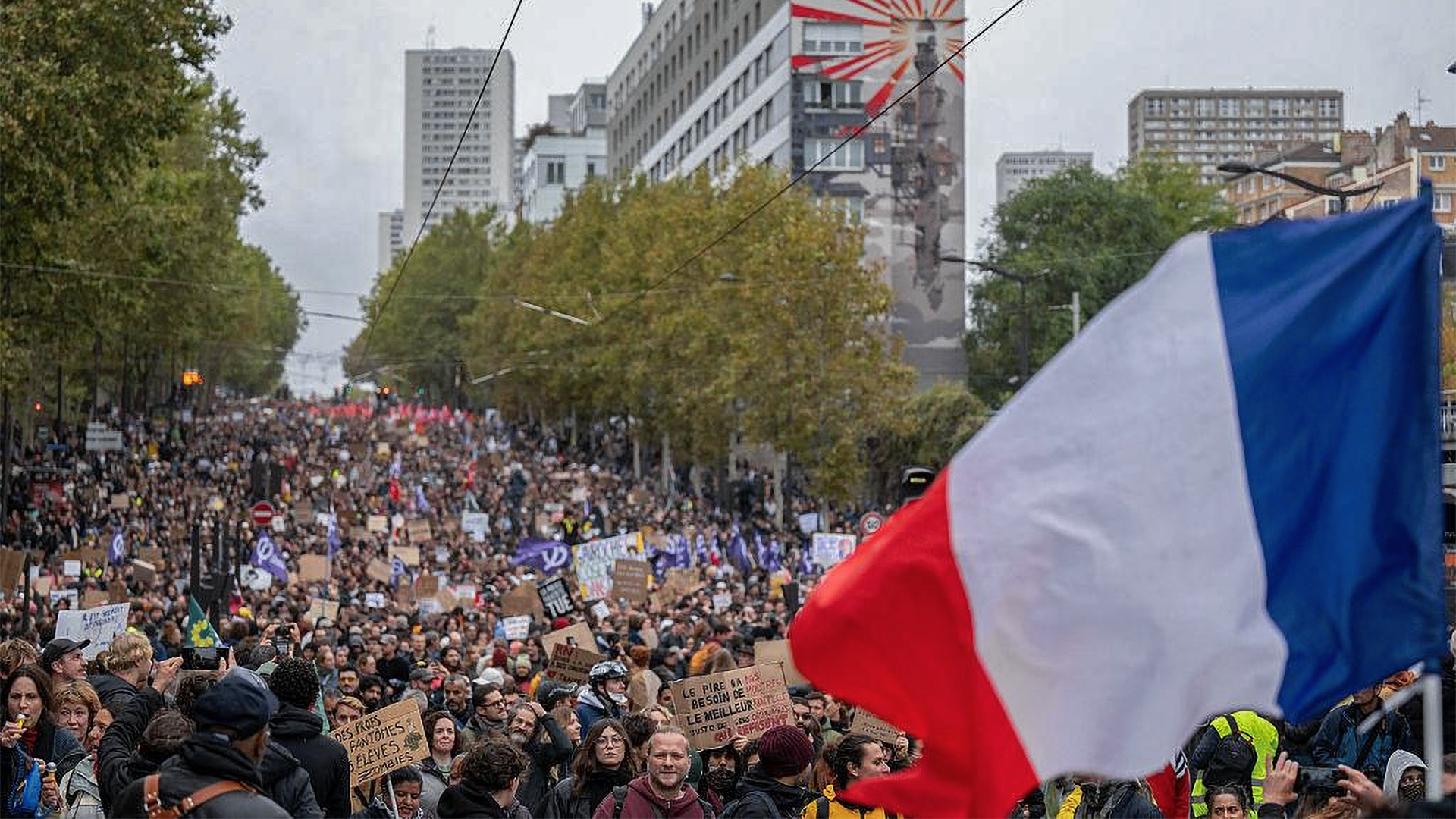
French authorities considered using geographically targeted DNS filtering to block major social media platforms during nationwide protests in October, prompting renewed concerns over government intervention at the Internet infrastructure level. Digital rights organization ARTICLE 19 warned on November 17 that such restrictions could disrupt lawful communications without effectively preventing access to targeted content.
The proposed restrictions were never implemented. According to documents reported by French investigative outlet Blast, Prime Minister Sébastien Lecornu instructed Orange, SFR, Free, and Bouygues Telecom to prepare to restrict access to Instagram, Snapchat, TikTok, and subsequently X ahead of demonstrations scheduled for October 24. Officials cited the use of social media to coordinate violence during earlier protests.
Telecommunications operators reportedly questioned both the technical feasibility and legal basis of the request during discussions with government officials. The proposed intervention would have relied on location-based Domain Name System (DNS) filtering rather than content removal by the platforms themselves.
DNS filtering operates at the domain level, not the individual-content level. By interfering with the resolution of domain names, network operators can restrict access to entire services but cannot selectively remove individual posts or accounts. Such measures can affect legitimate communications alongside the content authorities seek to restrict.
In its November 17 statement, ARTICLE 19 also questioned the effectiveness of geographically targeted filtering. Users may circumvent DNS restrictions through alternative resolvers or virtual private networks, while geographic controls can have unintended consequences beyond their designated areas. The underlying content remains accessible through other means.
France has previously restricted a social media platform during civil unrest. In May 2024, authorities blocked TikTok in New Caledonia. France’s highest administrative court, the Conseil d’État, subsequently annulled the measure in April 2025, finding that the government had not established the necessity of a complete interruption under the exceptional circumstances.
The controversy also coincides with proposed legislation expanding administrative powers over online content. An amendment adopted by the French Senate would extend expedited removal procedures to certain content inciting criminal acts likely to cause serious public disorder. Hosting providers could face penalties for failing to remove qualifying material within 24 hours, with blocking and search-engine delisting among the available enforcement measures. The legislation remains subject to further parliamentary consideration.
ARTICLE 19 has urged French authorities to abandon broad platform-blocking proposals, arguing that interventions through critical infrastructure such as DNS risk restricting access to information beyond the specific activities targeted by authorities.
Sponsored byVerisign

Sponsored byCSC
Sponsored byIPv4.Global

Sponsored byDNIB.com

Sponsored byVerisign
Sponsored byWhoisXML API

Sponsored byRadix


A World-Renowned Source for Internet Developments. Serving Since 2002.