
Welcome:
Login
|
Sign Up
|
About CircleID
Follow:
|
|



|
||
|
||
Network blocking is intended to prevent access to illegal online content. However, such technical interventions can have far-reaching consequences for Internet infrastructure. In particular, efforts to combat illegal live streams, such as those involving professional sports, have intensified the European debate on DNS and IP blocking. eco Association and its topDNS initiative explain how these blocking measures work, who decides on their implementation and what responsibilities infrastructure providers bear. The new Blocking Tracker published by eco and topDNS provides an overview of current network blocking measures and the reasons behind them.
Network blocking refers to technical measures that restrict access to certain online content. These measures are used, for example, to combat copyright-infringing streaming services or other illegal content. They must be distinguished from measures taken to defend against cyber threats.
Unlike the removal of illegal content directly by the hosting provider, the content generally remains online when a network block is implemented. Only access via specific networks or services is prevented.
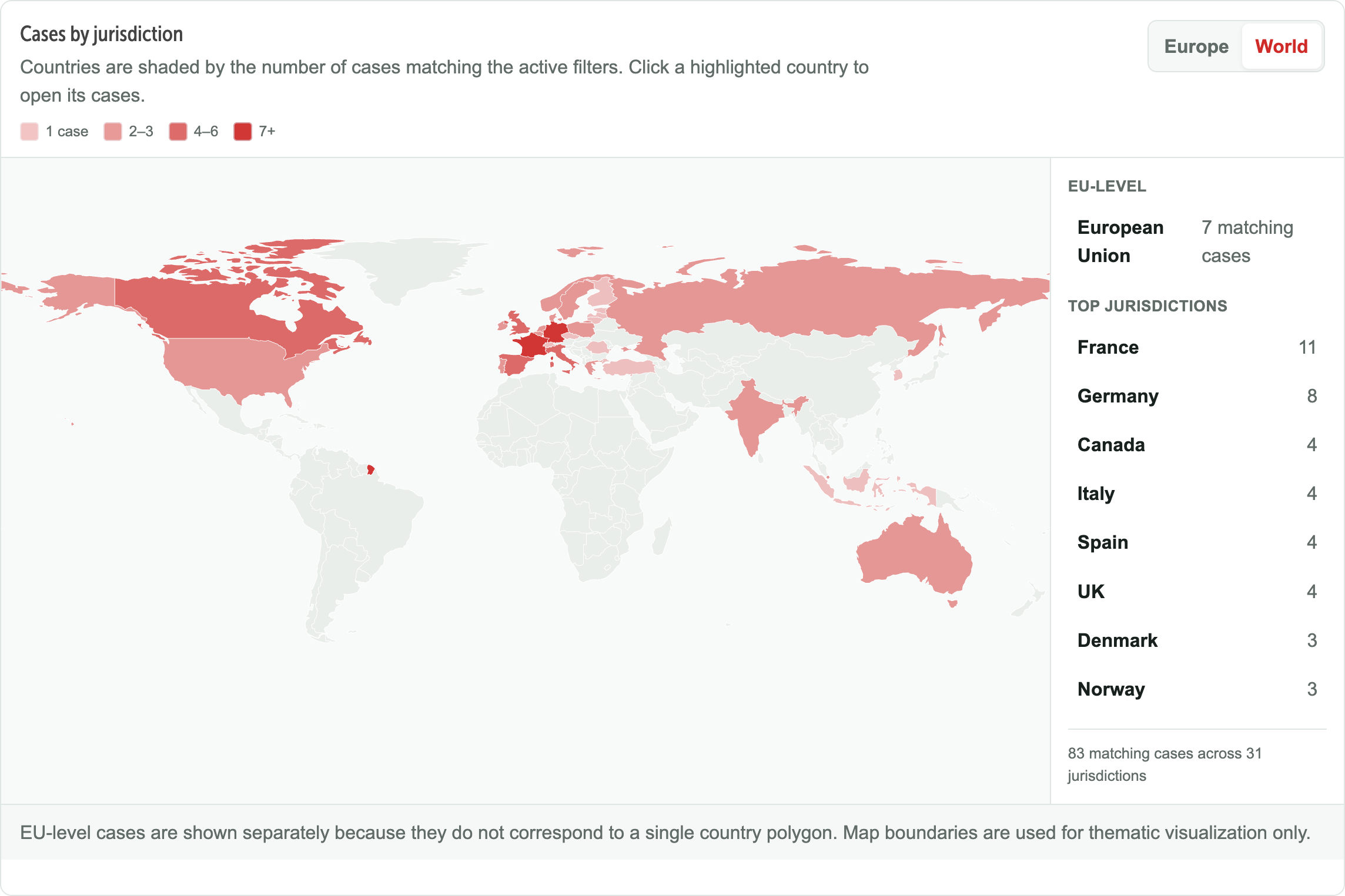
Efforts to combat illegal live streams have intensified the European debate on network blocking measures that can be implemented quickly. According to the EUIPO, 2,966 blocking orders were recorded between January 2024 and June 2025, affecting a total of 77,262 domains and IP addresses.1 These figures document the scale of the measures, but not their long-term effectiveness.
Following a 2023 EU recommendation that failed to significantly reduce live piracy, the European Commission is examining further measures. These include, among other things, dynamic blocking orders and greater involvement of technical intermediaries.
eco and topDNS are committed to effectively combatting illegal content. However, priority must be given to preventing such content from being made available in the first place and removing it directly at source as early as possible. This is reflected in the principle of “removal rather than blocking”. Where network blocking is used, it must be proportionate, legally sound and as technically targeted as possible. eco therefore calls for clear responsibilities among rights holders, public authorities and infrastructure providers, transparent procedures and more harmonised European standards to prevent overblocking and collateral damage.
Various technical methods can be used:
A significant risk is overblocking, meaning the unintentional blocking of lawful content or services. Furthermore, DNS and IP blocking measures can be technically circumvented without the illegal content itself being removed.
Network blocking measures are subject to legal requirements. The EU Open Internet Regulation generally requires Internet access providers to treat data traffic equally. Exceptions are permitted, for example, to comply with lawful court or administrative orders and to protect network security.
Depending on the national legal framework, rights holders may apply for blocking measures, which may then be ordered by courts or competent public authorities. The key criteria are lawfulness, necessity and proportionality. Potential collateral damage, less intrusive alternatives and effective legal remedies must also be taken into account.
Internet access providers, DNS resolvers and other infrastructure companies may be required to implement blocking measures, even though they often do not host the content in question themselves. Dynamic blocking, in particular, raises technical and legal challenges: Who checks the blocklists? Who bears responsibility for incorrect entries? How can unrelated services be protected? Clear responsibilities, reliable procedures and legal certainty are therefore essential for providers.
With the DNS & IP Blocking Tracker, eco Association and topDNS provide an overview of different national blocking regulations and contribute to greater transparency regarding interventions in Internet infrastructure. You can access the tracker here.
Sponsored byDNIB.com

Sponsored byIPv4.Global

Sponsored byWhoisXML API

Sponsored byVerisign

Sponsored byVerisign

Sponsored byRadix

Sponsored byCSC

A World-Renowned Source for Internet Developments. Serving Since 2002.