
Welcome:
Login
|
Sign Up
|
About CircleID
Follow:
|
|


|
||
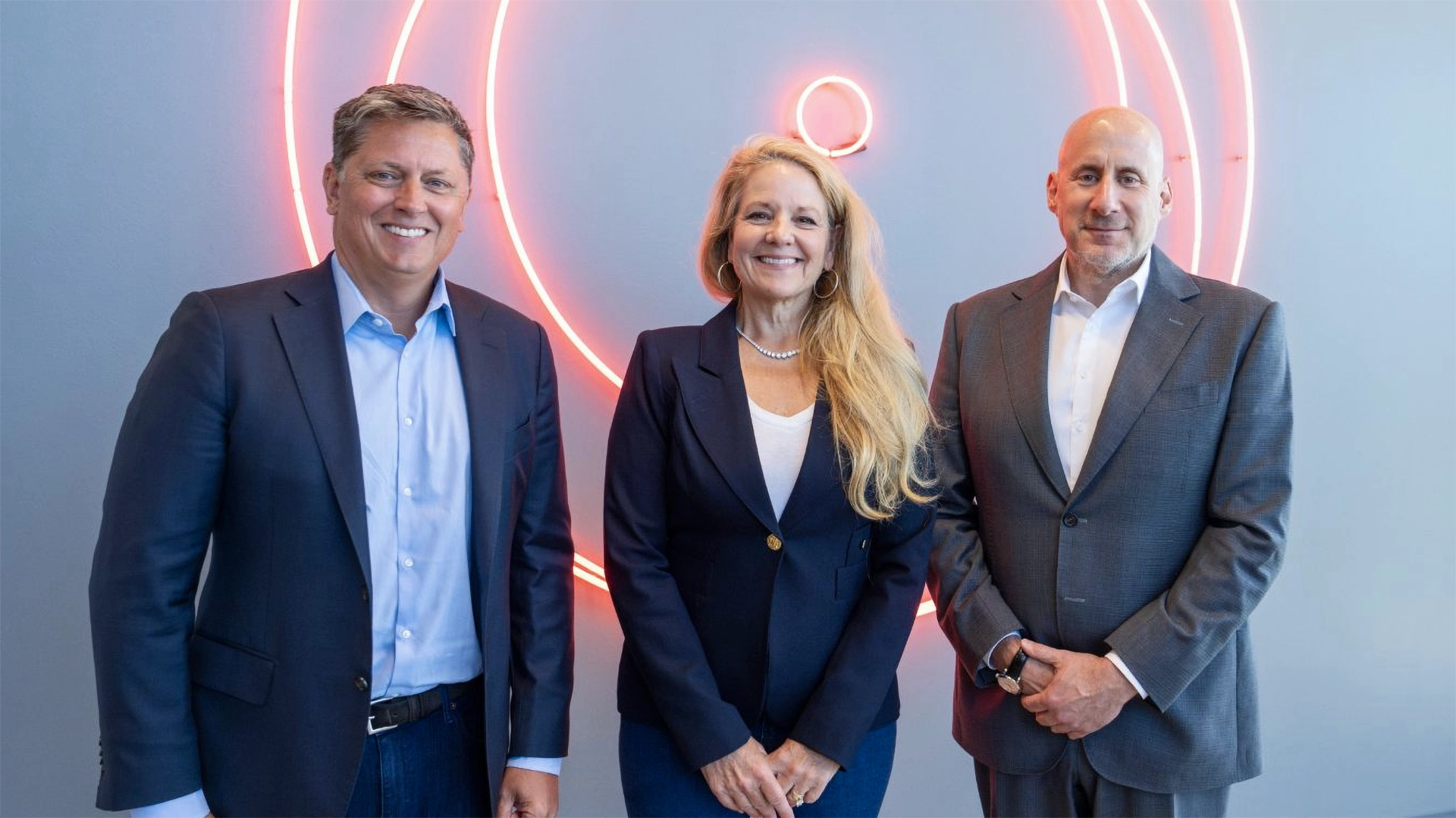
Hungarian telecommunications group 4iG and SpaceX have signed agreements to introduce Starlink direct-to-device mobile service in Hungary and parts of the Western Balkans, alongside a separate secured satellite communications service aimed at governments. The companies expect the latter service to begin in 2027.
The mobile plan has two stages. 4iG said on September 2 that first-generation Starlink Mobile will be introduced commercially in Hungary and Albania, connecting compatible LTE phones directly to Starlink satellites without dedicated satellite terminals. A later Starlink Mobile V2 service is planned for Hungary, Albania, Montenegro and North Macedonia, with 5G non-terrestrial-network capabilities and broadband directly to mobile devices. 4iG said the timing in individual markets remains subject to regulatory, technical and commercial conditions.
The V2 plan is particularly significant because 4iG says it will operate using SpaceX’s “global 2 GHz priority rights,” rather than relying solely on spectrum belonging to participating terrestrial mobile operators. That could give SpaceX a more direct spectrum position in satellite-to-phone services, but possession or acquisition of spectrum rights elsewhere does not by itself authorize service in each European market.
Europe’s 2 GHz satellite spectrum is already subject to a specific regulatory regime. The EU harmonized 1980–2010 MHz for Earth-to-space transmissions and 2170–2200 MHz for space-to-Earth service, selecting Inmarsat, now Viasat, and Solaris, now EchoStar, for pan-European mobile satellite service in 2009. National authorities subsequently issued the required rights of use. Those authorizations expire in May 2027.
The European Commission in May proposed replacing that arrangement with an EU-level selection and authorization system for the band beyond 2027, explicitly identifying direct-to-device communications as one of its intended uses. SpaceX itself has told investors that Starlink Mobile depends on spectrum access and approvals from telecommunications regulators in individual countries and that obtaining foreign authorizations can involve technical coordination, national-security reviews and other requirements.
A parallel “Sovereign Solutions” service is aimed at national communications infrastructure. 4iG’s space and defence subsidiary and SpaceX plan an integrated system combining satellite broadband with end-to-end secured data communications and what 4iG calls “sovereign network infrastructure.” The announcement does not specify how governments would control routing, encryption keys, data location, lawful-interception interfaces or network operations — details that will determine how much practical national control the service provides.
4iG characterized the combined commercial and government arrangement as a European first. The company said Sovereign Solutions is scheduled to launch in 2027, while the precise timetable for Starlink Mobile remains dependent on approvals and other conditions in each market.
Sponsored byIPv4.Global

Sponsored byDNIB.com

Sponsored byCSC

Sponsored byRadix

Sponsored byWhoisXML API

Sponsored byVerisign

Sponsored byVerisign


A World-Renowned Source for Internet Developments. Serving Since 2002.