
Welcome:
Login
|
Sign Up
|
About CircleID
Follow:
|
|


|
||
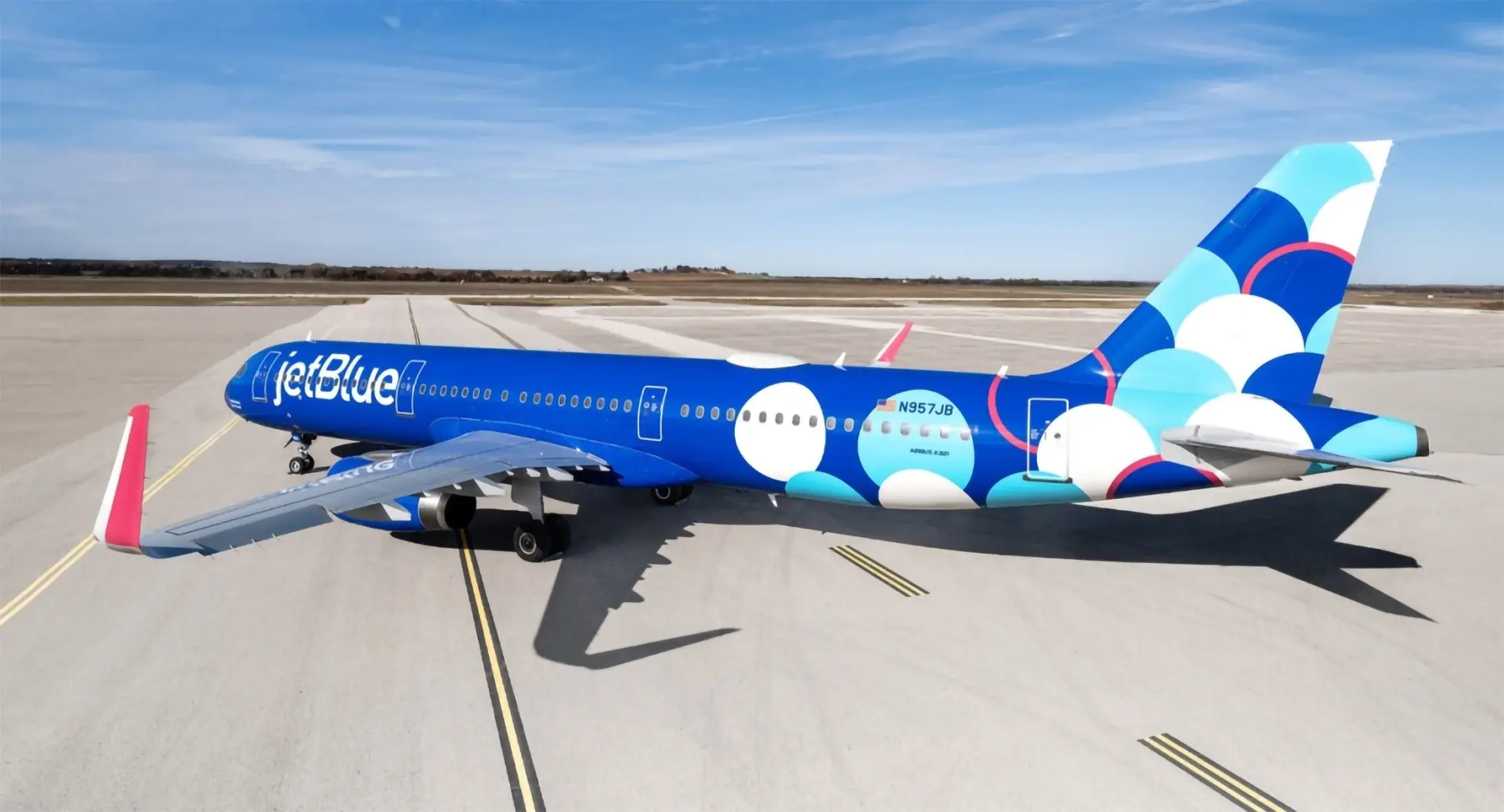
Amazon’s satellite-internet project, Project Kuiper, has signed its first commercial airline partner: JetBlue. The budget-friendly airline will start adding Kuiper’s satellite terminals to its planes to offer free in-flight Wi-Fi, a feature that now helps airlines stand out in a crowded market.
Instead of using ground towers or costly geostationary satellites like older systems, Project Kuiper relies on a network of low Earth orbit satellites. This setup should deliver faster speeds and less delay, similar to SpaceX’s Starlink. Amazon plans to launch more than 3,200 satellites, with service starting as soon as late 2025.
JetBlue’s move is more than just a test of new technology. The airline has built its reputation on being passenger-friendly, and free, reliable Wi-Fi supports that image. For Amazon, this partnership is a way to show what Kuiper can do and to promote the service. Although Kuiper is still catching up to Starlink, landing airline deals could help it grow and stay competitive.
This deal also points to bigger goals. In-flight internet is just one part of a larger market that includes rural broadband, logistics, and emergency services. As Amazon launches more satellites, Kuiper’s future will depend not just on its technology, but also on making smart partnerships in a busy space industry.
But implications are broader. Kuiper’s expansion into aviation marks a step toward a more vertically integrated, satellite-powered web. As Amazon extends its reach from cloud to sky, questions of interoperability, latency, and centralised control will intensify. The skies may soon become a new front in the contest over who builds—and governs—the next layer of the global internet.
Sponsored byVerisign

Sponsored byCSC

Sponsored byIPv4.Global

Sponsored byDNIB.com

Sponsored byVerisign

Sponsored byRadix

Sponsored byWhoisXML API


A World-Renowned Source for Internet Developments. Serving Since 2002.