
Welcome:
Login
|
Sign Up
|
About CircleID
Follow:
|
|


|
||
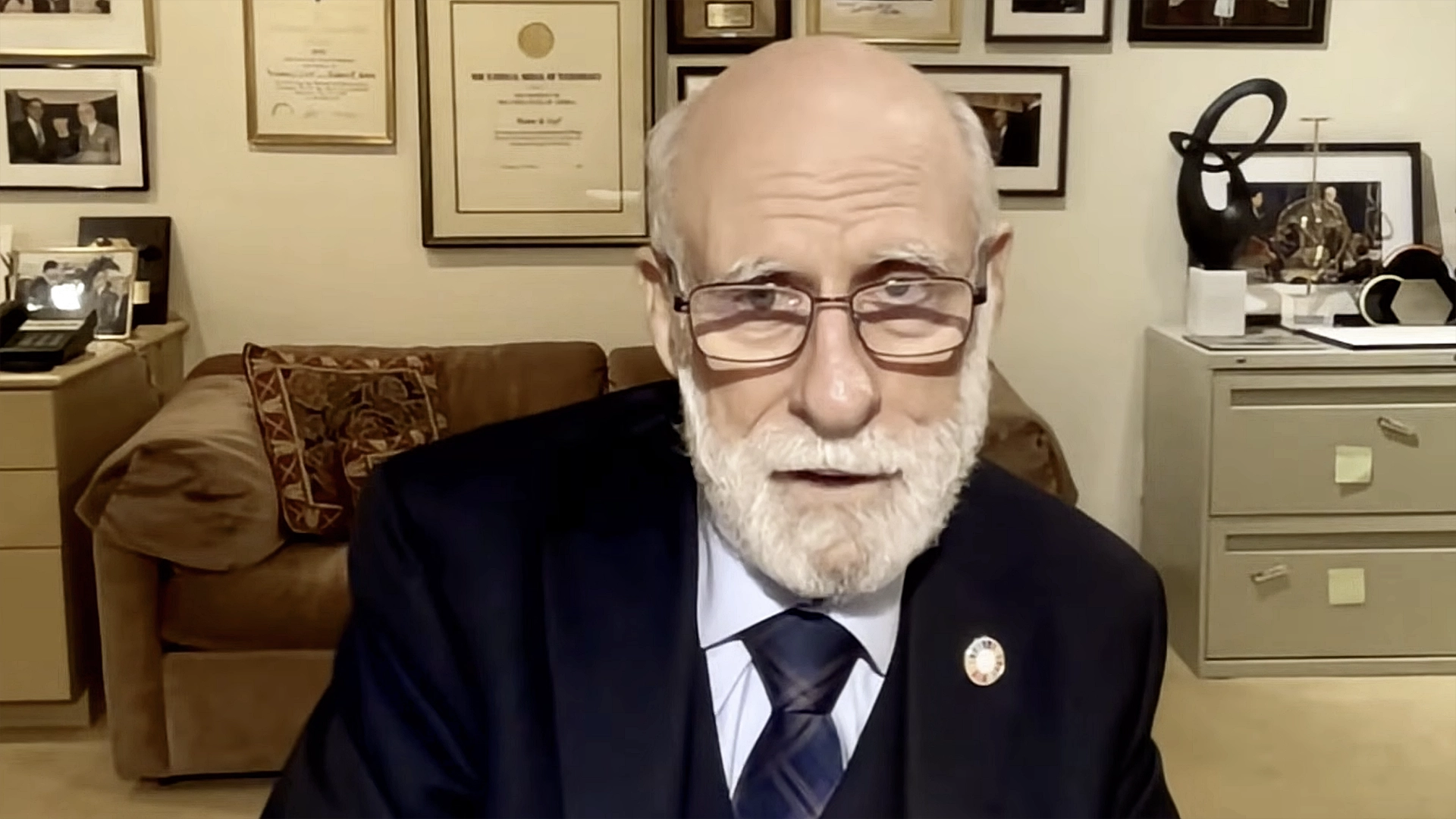
Vinton Cerf, one of the principal architects of the modern internet, will retire from Google next week after more than 20 years as the company’s chief internet evangelist, according to remarks made during the Open Frontier conference hosted by the Laude Institute. UC Berkeley professor Dave Patterson announced the news while introducing Cerf, prompting a standing ovation from attendees. Google had not publicly commented at the time of reporting.
Cerf, 83, is widely credited, alongside Robert Kahn, with developing TCP/IP, the networking protocols that enabled the internet to evolve into a global communications platform. His contributions have earned some of technology’s highest honors, including the Turing Award and the Presidential Medal of Freedom.
Speaking on a panel about the future of durable open-source infrastructure, Cerf argued that the rise of autonomous AI agents will revive demand for common technical standards. As software from different developers increasingly interacts without human intervention, he said interoperability and precise communication will become essential.
Cerf rejected the idea that natural language alone would be sufficient for machine-to-machine coordination, warning that ambiguity could undermine reliable collaboration. Instead, he predicted that formalized protocols would emerge as a foundation for the next generation of AI systems, echoing the role standardized internet protocols played in the web’s early expansion.
His remarks come as technology companies debate whether AI development should remain concentrated within a handful of major laboratories or evolve through more open, interoperable ecosystems. If Cerf’s forecast proves correct, the organizations that establish those standards could wield significant influence over the future architecture of the emerging AI economy.
Sponsored byWhoisXML API

Sponsored byIPv4.Global

Sponsored byDNIB.com

Sponsored byRadix

Sponsored byVerisign

Sponsored byCSC

Sponsored byVerisign


A World-Renowned Source for Internet Developments. Serving Since 2002.