
Welcome:
Login
|
Sign Up
|
About CircleID
Follow:
|
|



|
||
|
||
The Domain Name System (DNS) is often described as the “phonebook of the internet.” However, this foundational technology was designed in an era when the internet was a small, trusted community of researchers. Consequently, the original DNS protocol lacks built-in security mechanisms to verify the authenticity of data. For decades, this has left the global network vulnerable to sophisticated cyber threats such as cache poisoning and DNS spoofing. In these scenarios, attackers inject fraudulent data into a resolver’s cache, silently redirecting unsuspecting users to malicious websites, phishing portals, or compromised servers without any visible warning.
To address these inherent weaknesses, the industry introduced DNSSEC (Domain Name System Security Extensions). DNSSEC adds a layer of cryptographic verification to DNS records, ensuring that the information a resolver receives originates from the legitimate zone owner and has not been tampered with during transit. While DNSSEC is a powerful solution, maintaining the integrity of this “chain of trust” is technically demanding. Misconfigurations are common, and for many network administrators, the status of this cryptographic chain remains opaque. This is where DNSXplore emerges as a critical utility for the modern internet.
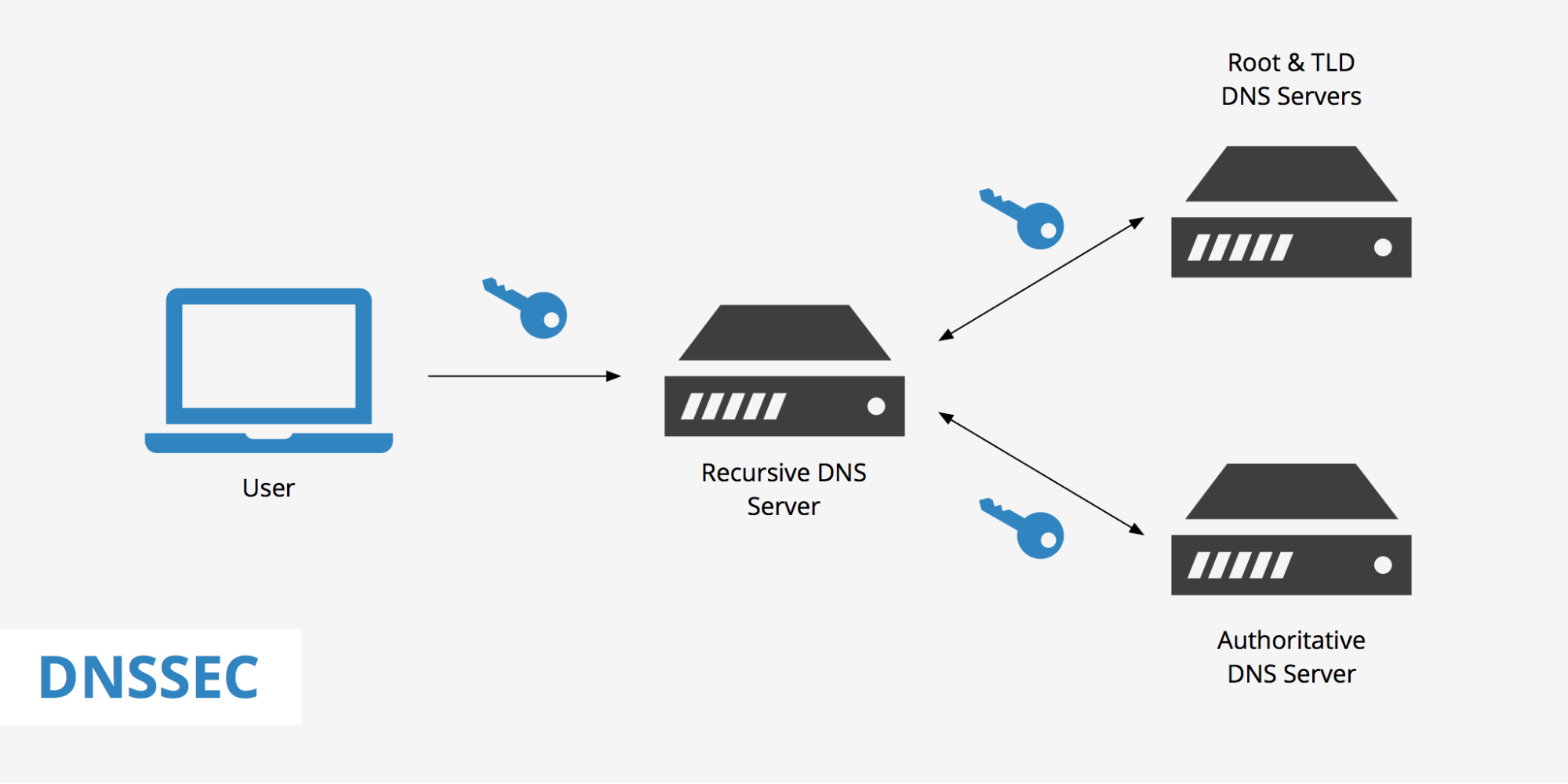
DNSXplore is a public-serving, global repository designed to archive and monitor all gTLD-related DNSSEC records. It was developed by the research team at Ajman University and is a project titled “Passive DNSSEC Data Collection Platform (GUPPY)” funded by ICANN (Internet Corporation for Assigned Names and Numbers) under the first cohort of ICANN Grant Program Cycle. By providing a centralized platform for diagnostics and troubleshooting, it bridges the gap between complex cryptographic data and actionable network intelligence.
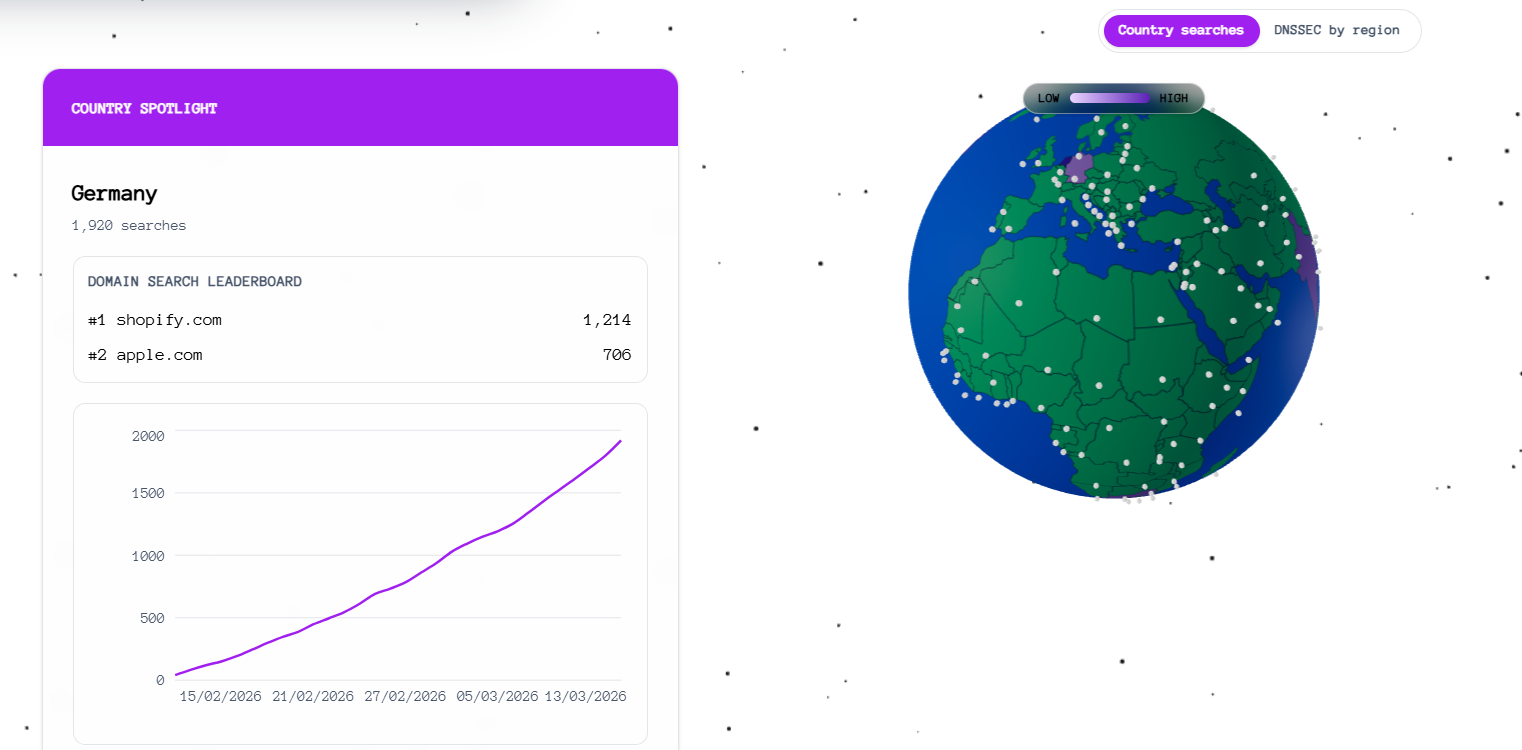
The project operates much like a specialized search engine web crawler. While Google indexes the content of web pages, DNSXplore’s crawler traverses the global DNS infrastructure to index and archive security records. This proactive approach provides the community with comprehensive visibility into the health of the DNSSEC ecosystem. The scale of this operation is significant, tracking data across the vast landscape of generic Top-Level Domains (gTLDs):
The primary strength of DNSXplore lies in its ability to verify the hierarchical trust model. In a standard DNSSEC lookup, trust is established through a series of links: from the root zone to the TLD (like .com or .net), and finally to the specific domain. If any link in this chain is broken due to an expired key or an incorrect Delegation Signer (DS) record, the entire verification fails, and the domain becomes unreachable to secure resolvers.
DNSXplore meticulously validates every step of this process. It checks the cryptographic signatures (RRSIG) against the public keys (DNSKEY) and verifies the DS records in the parent zones. This comprehensive audit ensures that the “Chain of Trust” is unbroken and legitimate.
Raw DNSSEC data is notoriously difficult to parse, often consisting of long strings of alphanumeric characters and complex record types. DNSXplore addresses this barrier to entry through high-level data visualization and intuitive dashboards:
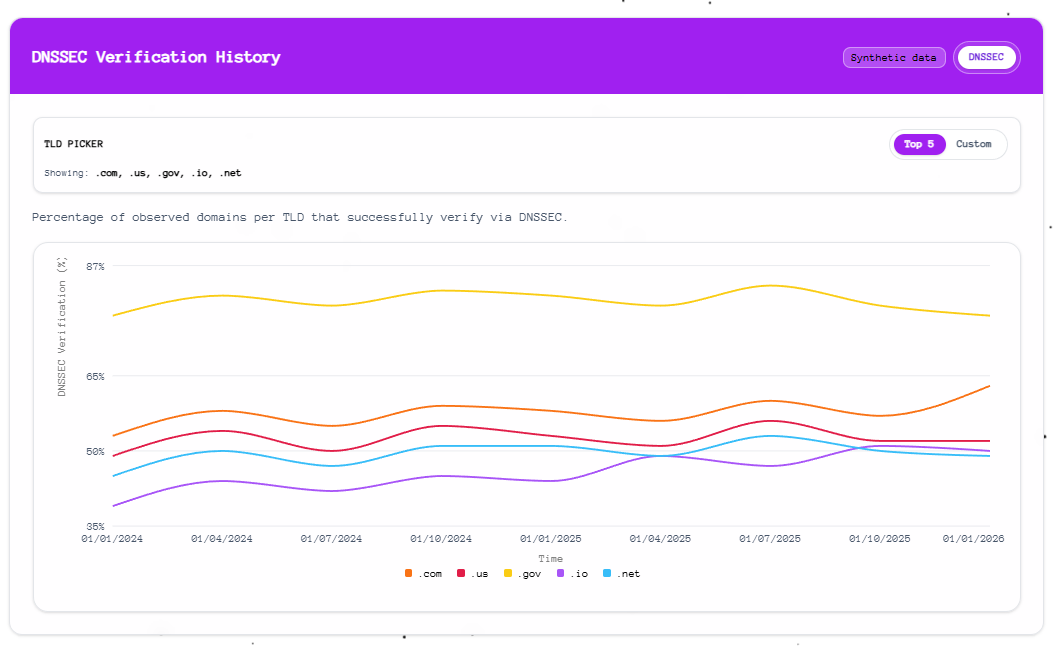
The deployment of DNSXplore offers tangible benefits to the global internet community, moving beyond theoretical security to practical network resilience.
For network engineers and systems administrators, identifying a DNSSEC failure can be a “needle in a haystack” problem. A single mismatched key can take down a high-traffic website. DNSXplore provides a free, public-serving tool that allows these professionals to rapidly identify and fix misconfigurations. By highlighting exactly where the chain of trust is broken, it reduces downtime and improves the overall reliability of the internet.
One of the main hurdles to DNSSEC adoption is the perceived complexity and the fear of “breaking” a domain. DNSXplore promotes wider industry adoption by providing verified statistics and transparent visibility. When organizations can see the verification status of their peers and track global adoption trends, it creates a standard of accountability and a roadmap for implementation.
As the foundation of internet trust, the DNS must be authenticated. DNSXplore democratizes access to high-level security intelligence, ensuring that even small organizations have the tools necessary to verify their security posture. As a public-serving utility, it strengthens the internet for everyone by ensuring that users can trust the destinations they reach.
DNSXplore is more than just a repository; it is a commitment to a safer digital future. The project’s goals include advancing DNS intelligence through further automation and more granular reporting. By providing a dedicated archival and monitoring tool, DNSXplore ensures that the cryptographic foundations of our digital world remain robust and transparent.
In an era where cyber threats are becoming increasingly sophisticated, tools like DNSXplore are no longer optional, they are vital. As the project continues to evolve, its role in securing the “Chain of Trust” will only grow, ensuring that the global community can navigate the authenticated internet with confidence.
Visit DNSXplore.com to explore the global DNSSEC archive or to monitor your domain’s security health.
Sponsored byDNIB.com

Sponsored byVerisign

Sponsored byVerisign

Sponsored byIPv4.Global

Sponsored byCSC

Sponsored byWhoisXML API

Sponsored byRadix


A World-Renowned Source for Internet Developments. Serving Since 2002.