
Welcome:
Login
|
Sign Up
|
About CircleID
Follow:
|
|


|
||
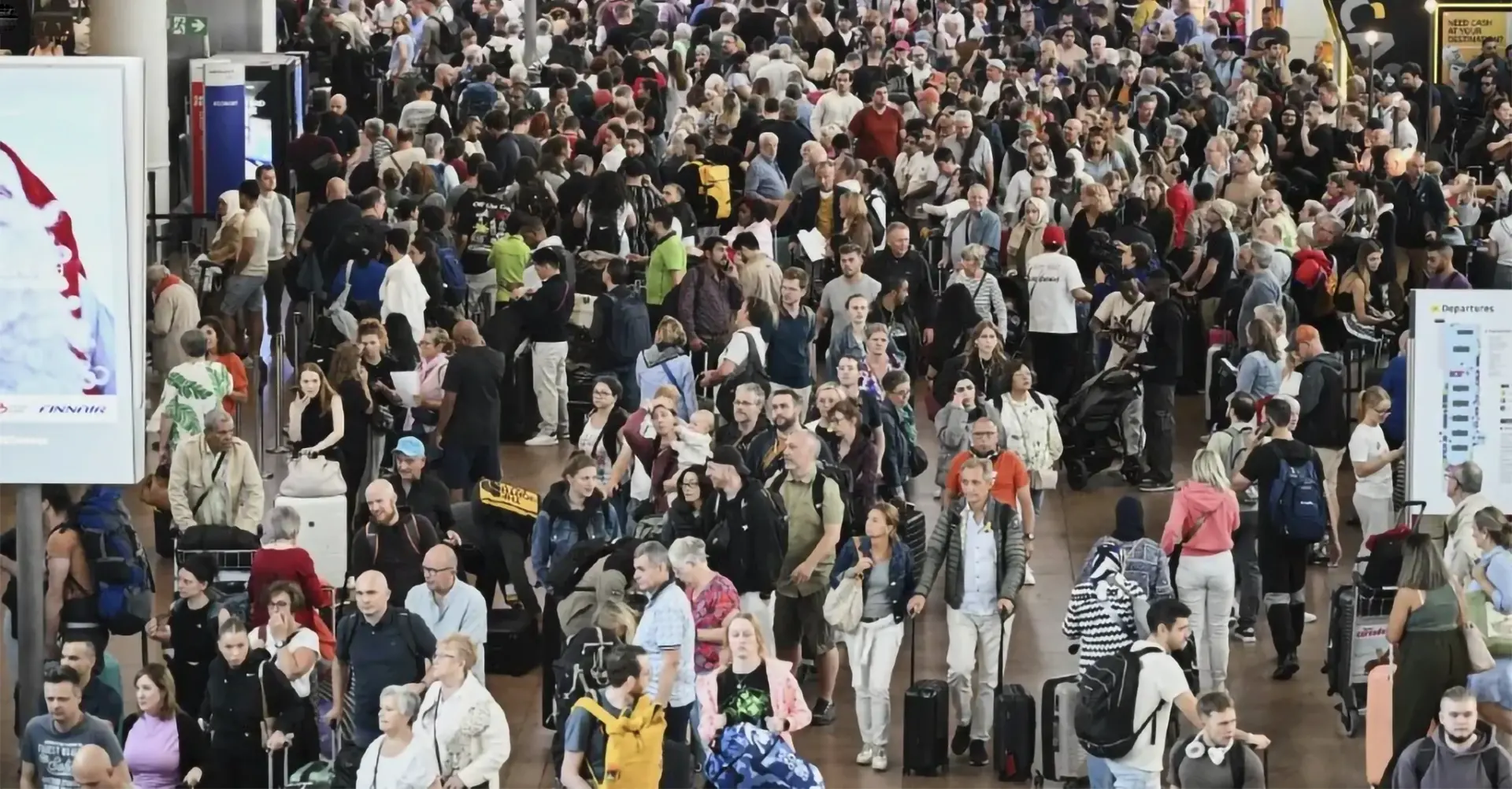
European air travel remains disrupted today following a ransomware attack on Friday that crippled automated check-in and boarding systems across several major airports. The culprit appears to be malicious code targeting Muse, a system developed by Collins Aerospace, a subsidiary of RTX, which provides critical software to airlines.
Ongoing recovery: According to the European Union Agency for Cybersecurity (ENISA), the attackers deployed ransomware to scramble systems used by multiple airports, including Heathrow, Brussels, Dublin, and Berlin. Although manual workarounds allowed flights to continue, passengers have experienced persistent delays, and some services were cancelled as late as Monday.
The latest update from Collins Aerospace indicates that the company is in the “final stages” of implementing software updates to restore normal operations. However, officials at Brussels Airport noted on Monday that the system had yet to be confirmed as fully secure, with over 60 flights cancelled that day alone.
System breach: Internal communications seen by the BBC suggest the scale of the breach was severe. More than a thousand computers may have been compromised, with technicians forced to rebuild systems in person after discovering that attackers had re-infiltrated newly launched networks.
Speculation continues over who is behind the attack. While some experts suggest it could be the work of state-sponsored hackers, others point to sophisticated criminal groups known for exploiting ransomware to extract payments in cryptocurrency.
The attack highlights a growing vulnerability in aviation infrastructure. Collins Aerospace’s silence on whether a ransom was demanded—or paid—leaves many questions unanswered.
Sponsored byVerisign

Sponsored byIPv4.Global

Sponsored byVerisign

Sponsored byCSC

Sponsored byRadix

Sponsored byWhoisXML API

Sponsored byDNIB.com


A World-Renowned Source for Internet Developments. Serving Since 2002.