
Welcome:
Login
|
Sign Up
|
About CircleID
Follow:
|
|



|
||
|
||
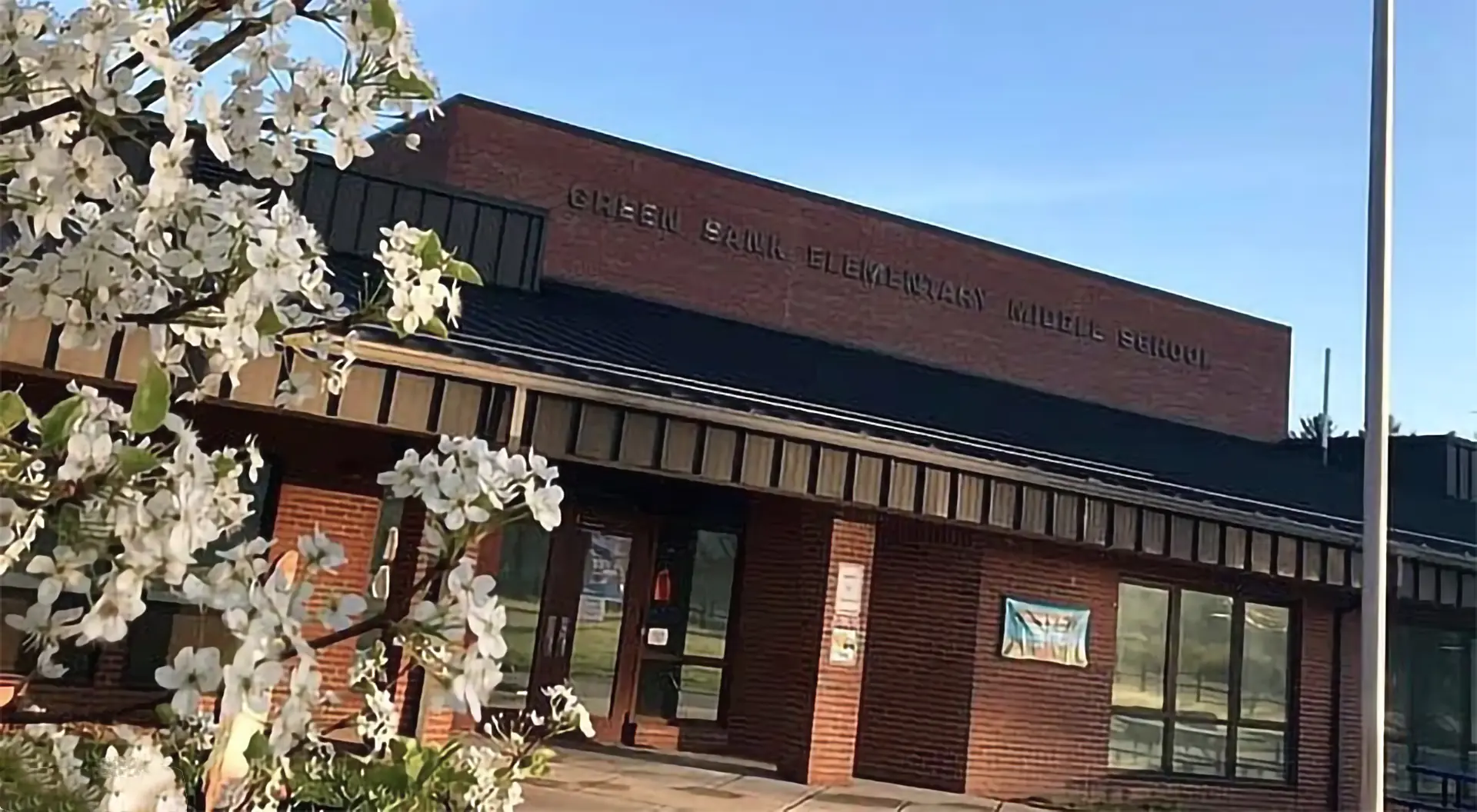
There was an interesting article in the Washington Post that talked about an elementary/middle school in West Virginia that is finally going to get WiFi for students. The Green-Bank Elementary-Middle School is located within the National Radio Quiet Zone. This zone was established in 1958 to provide an area around the Green Bank Observatory, the first national radio astronomy site that has the world’s largest steerable radio telescope. The quiet zone restricts the use of WiFi, cellular spectrum, microwave radios, and other kinds of spectrum to protect the work at the observatory.
In August, the observatory announced that it would permit the school to use WiFi for students. The school had been requesting this for many years, as a significant portion of public education now involves the use of student computers. Without WiFi, the students couldn’t use Chromebooks like those used at other schools around the state.
This has caused students to fall behind their peers at other schools, and Green Bank students have consistently ranked at or near the bottom nationwide in demonstrated proficiency. As an example of what a lack of broadband means, students can’t use many of the functions of the Eureka Math curriculum, which includes a lot of interactive online instructions.
The lack of WiFi has also meant that the community hasn’t been able to take advantage of the many technologies that utilize WiFi, such as medical monitors and a vast number of smart home devices. Although some homes in the area have been using WiFi at home in defiance of the frequency ban. I’m picturing many homes in the Quiet Zone with Category 5 cables everywhere, connecting to computers and TVs, reminiscent of the times before WiFi became prevalent. I remember the relief when I first got Verizon FiOS on fiber that came with WiFi.
Interestingly, the lack of computers in the school kept the school environment reminiscent of schools a few decades earlier, when there were no computers or devices in schools. Students haven’t learned to rely on computers to help them learn. The article cites a parent at the school who said that the lack of connectivity has also meant that students weren’t as interested in having a cellphone.
It’s interesting that the post featured several articles from a week earlier that discussed the new movement across the country to ban cellphones from schools due to the tremendous distraction caused when students are more interested in checking social media all day than in interacting with each other. Schools that have already banned cellphones reported that, after an initial period when students and parents were very unhappy with the ban, the cellphone ban has caught on. Students are forced to talk to each other instead of being glued to a screen all day.
Getting fiber connectivity to schools has been a priority for well over a decade. A report by Education Superhighway back in 2017 reported that 97% of schools had a fiber connection. The bandwidth needs of schools continue to grow. For many years, the FCC set the goal for schools to provide at least 1 Mbps per student, meaning a gigabit of connectivity for every 1,000 students. I’ve talked to numerous school districts that believe the right goal is now 3 to 5 Mbps per student, and growing every year.
Sponsored byWhoisXML API

Sponsored byRadix

Sponsored byVerisign

Sponsored byCSC

Sponsored byDNIB.com

Sponsored byIPv4.Global

Sponsored byVerisign


A World-Renowned Source for Internet Developments. Serving Since 2002.