The report includes five case studies of real-world examples of how fiber broadband has proven to make a difference for public safety and during disasters.
In California, Siskiyou Telephone restored communications to a fire camp within an hour after satellite broadband collapsed under the heavy demand from first responders.
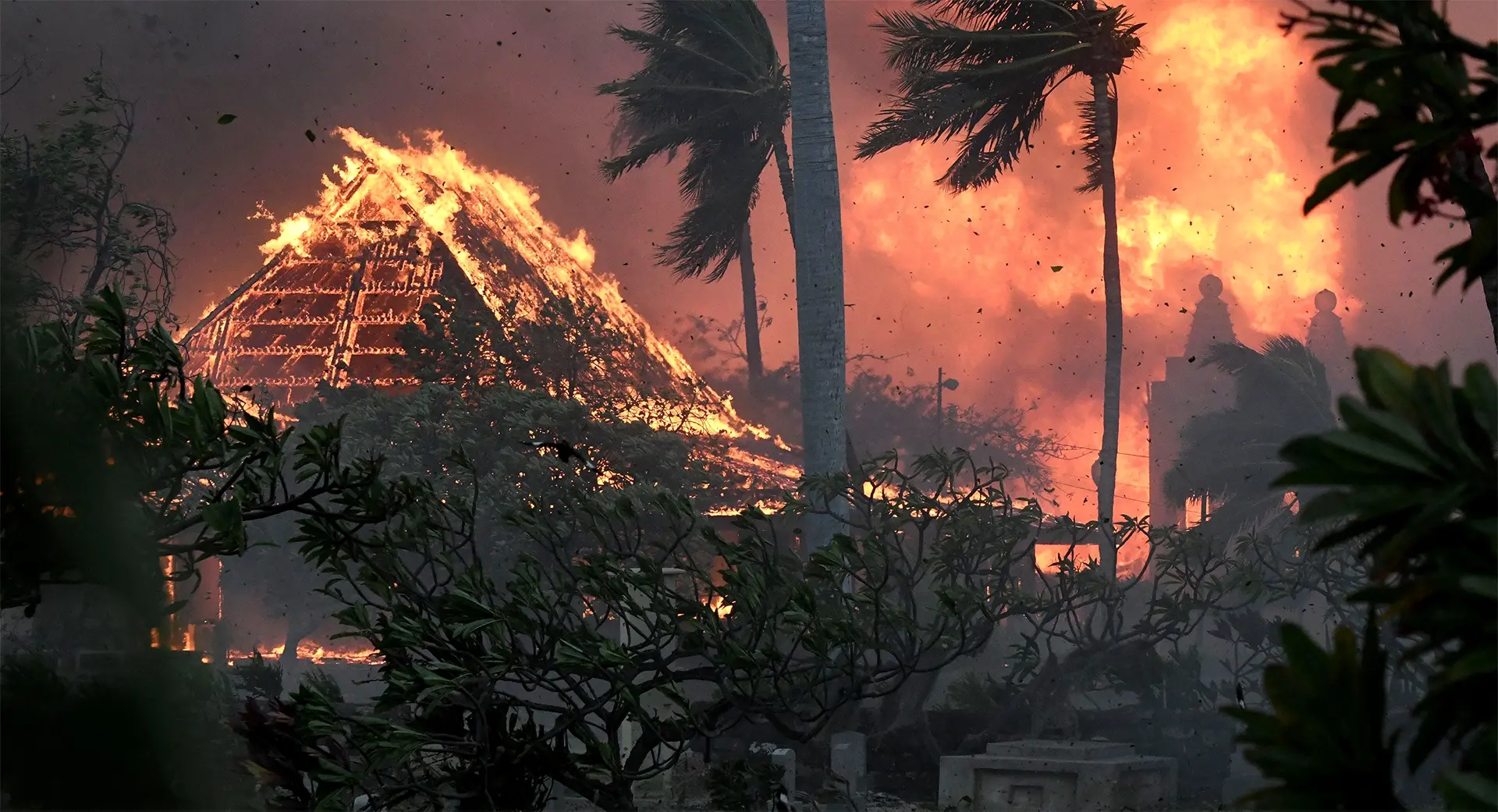
In Hawaii, the hardened and buried fiber networks of Hawaiian Telecom kept working during the 2023 Maui wildfires while the rest of the island’s telecommunication grids went down.
In Oregon, Douglas Fast Net pre-positioned fiber at fire camp sites to make sure that broadband is available when emergencies hit.
In Tennessee, United Communications provides free fiber broadband to every fire and police station it serves and makes public safety a central mission of its fiber network.
In Georgia, PeachNet connects first responders and emergency agencies directly to fiber to strengthen readiness while also supporting community services.
Most folks in the industry can tell stories about the importance and resilience of fiber networks in the face of disasters. Here are a few of my own:
In the aftermath of a bad summer thunderstorm near Laurel, Maryland, I saw where the storm had knocked down a tree that broke the electric, telephone, copper, and cable company wires. Amazingly, the Verizon FiOS fiber did not break and held up under the full weight of the tree. The broadband was still working in the neighborhoods fed by that fiber. I wish I had a smartphone camera in those days.
The electric utility in Lafayette, Louisiana, built a fiber backbone around the City and connected fiber to electric substations, the University, and public anchor institutions. After Hurricane Katrina in 2005, LUS Fiber was the only functioning communications network in the City.
When Hurricane Helene hit Asheville and surrounding counties, all communications went down as entire roads were wiped off the map, which crippled networks by destroying the fiber backbones that supported broadband, cellular, and telephone networks. However, the fiber network from Duke Power continued operating because the company had recently built a redundant fiber path into the area along a route that wasn’t destroyed. Having this operating fiber backbone sped up the restoration of the power grid by weeks since it allowed Duke repair crews to communicate with the outside world.
The whitepaper notes that fiber networks can play a significant role in public safety when built correctly. Burying fiber, like in Maui, made a huge difference. Building redundant routes can guarantee connectivity when other networks fail.
Filed Under
Comments
COMMENT PREVIEW
CircleID NewsletterThe Weekly Wrap
More and more professionals are choosing to publish critical posts on CircleID from all corners of the Internet industry. If you find it hard to keep up daily, consider subscribing to our weekly digest. We will provide you a convenient summary report once a week sent directly to your inbox. It's a quick and easy read.