
Welcome:
Login
|
Sign Up
|
About CircleID
Follow:
|
|
|

Researchers have uncovered a browser-based technique that exploits SSD activity through local storage features, allowing malicious websites to infer user behavior, identify visited sites and applications, and potentially expand online tracking without special permissions. more
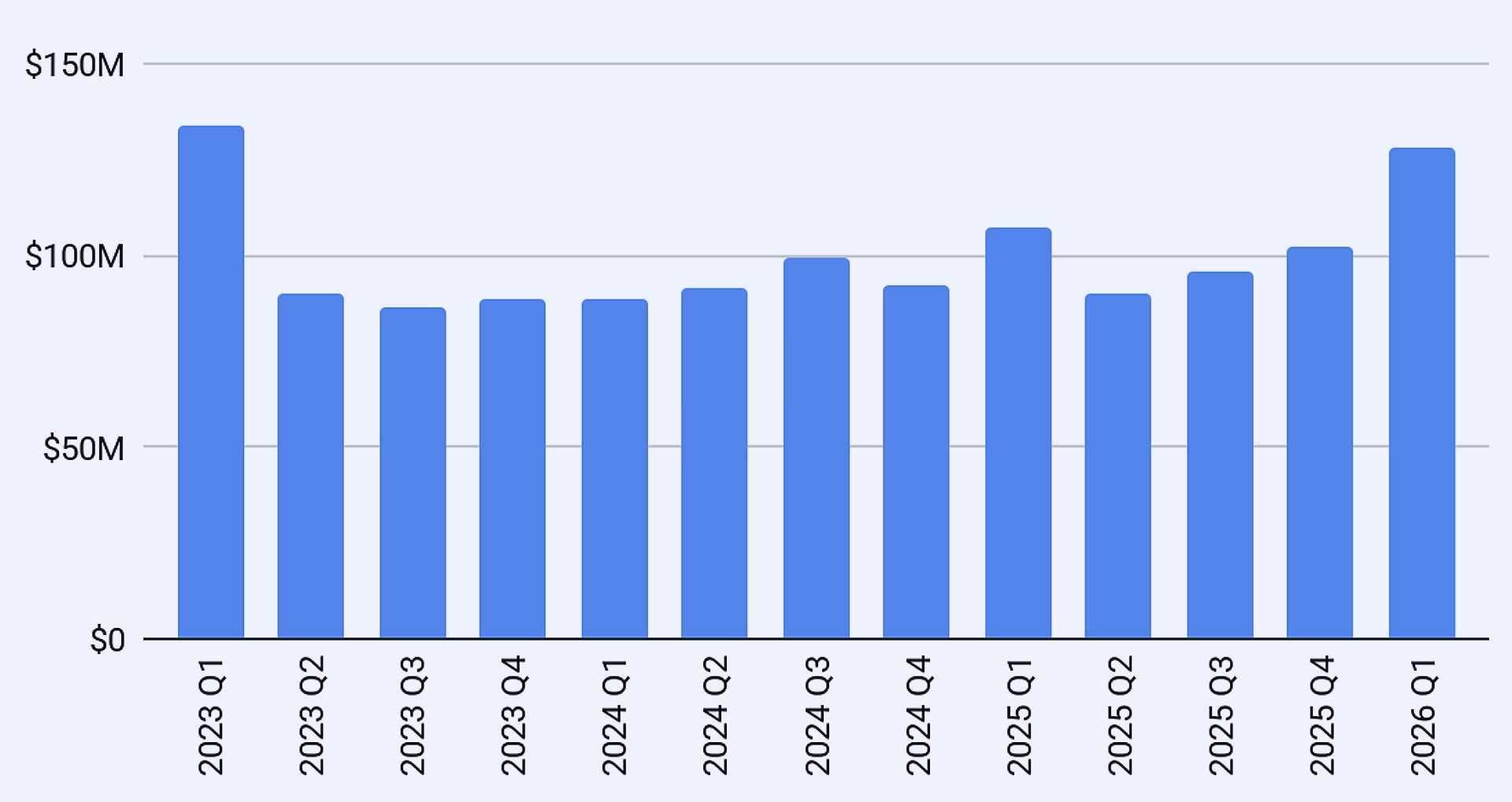 The domain name market recorded its strongest quarter in three years as .com sales hit a record high and investors poured capital into undeveloped web assets, signaling growing demand for premium digital real estate and scarce online identities. more
The European Union plans to reserve most future satellite spectrum for regional firms while still allowing Starlink and Amazon to compete, reflecting Brussels' attempt to balance technological sovereignty with market openness in a strategically sensitive communications sector. more
 Iran has begun restoring internet access after an 88-day shutdown, but legal challenges and political divisions threaten the future of a reopening driven by economic strain and mounting pressure to reconnect the country. more
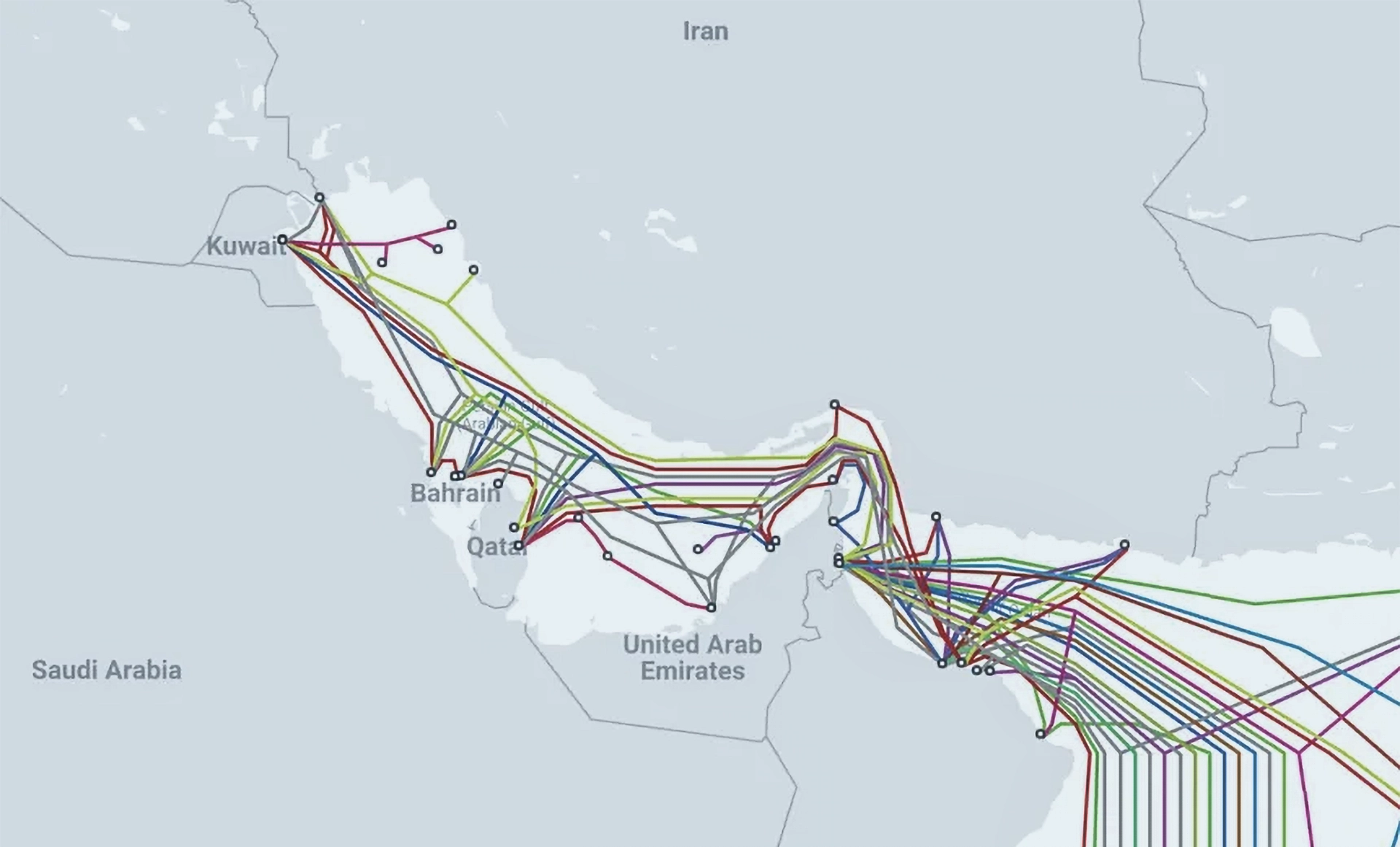 Iran is seeking to monetize and potentially weaponize subsea internet cables beneath the Strait of Hormuz, exposing how modern geopolitical conflicts increasingly threaten the digital infrastructure underpinning global finance, communications and trade. more
 Iran's wartime internet restrictions transformed online access into a costly, unequal system, according to researcher Imad Payande, with black markets, selective connectivity and institutional privilege reshaping how citizens reached the global web. more
Maria Xynou warns that internet censorship is becoming more sophisticated and less transparent as governments deploy targeted blocks, throttling and encrypted traffic interference, while OONI's crowdsourced measurements help researchers and human-rights groups expose restrictions and defend online freedoms worldwide. more
Google says cybercriminals and state-backed hackers are rapidly adopting generative AI to automate attacks, disguise malware, exploit vulnerabilities and spread disinformation, marking a shift from experimental use to industrial-scale cyber operations across the global threat landscape. more
Cybersecurity pioneer Steven Bellovin's new book strips away jargon and outdated online-safety advice, offering ordinary users practical guidance on passwords, phishing, privacy and digital habits in an era of constant cyber threats and increasingly sophisticated scams. more
ARTICLE 19 warns that governments are increasingly exploiting internet infrastructure to silence critics, using domain suspensions to block entire websites while regulators and registry operators debate how to balance online safety, technical abuse prevention and freedom of expression. more
A surge in massive cybersquatting disputes pushed UDRP domain-name cases sharply higher in early 2026, with two complaints alone accounting for more than a quarter of all disputed domains, according to a new report released by GigaLaw. more
 ICANN reopens applications for new top-level domains after 14 years, charging $227,000 per bid while tightening rules, as it seeks to expand multilingual access and reshape competition in the internet's naming system. more
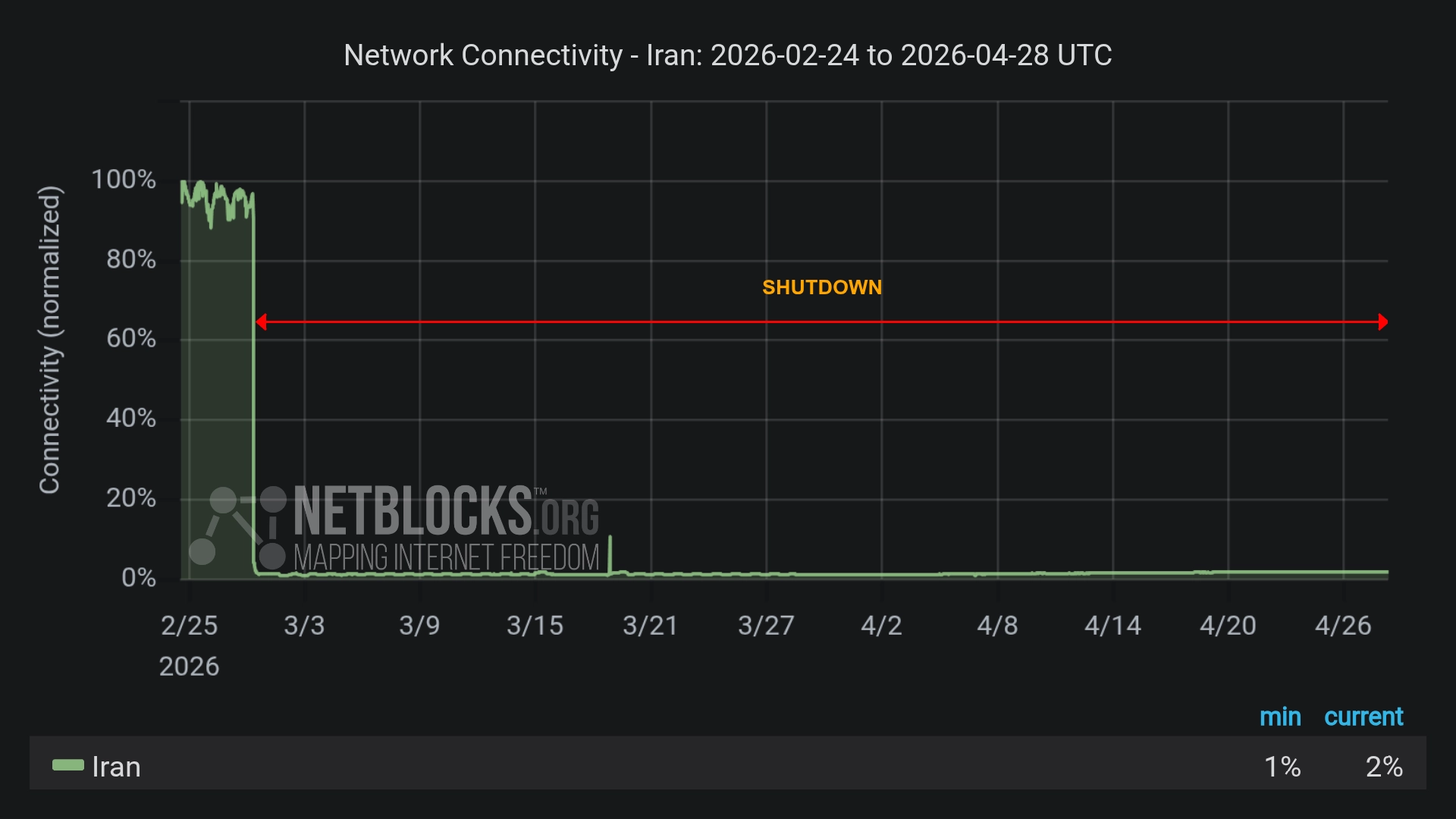 Iran's now 60-day internet blackout is inflicting heavy economic losses, disrupting exports and daily life, while a tiered access plan deepens inequality and signals a shift toward tighter state control of digital connectivity. more
Iran-linked hackers infiltrated US industrial control systems, disrupting energy and water infrastructure. The attacks highlight systemic vulnerabilities in internet-connected devices and signal an enduring cyber threat despite easing geopolitical tensions. more
Iran’s unprecedented internet blackout, imposed after February’s strikes, has reduced connectivity to near zero, tightened state control over information, and set a global precedent for wartime digital isolation with significant humanitarian consequences. more
Sponsored byVerisign

Sponsored byIPv4.Global

Sponsored byRadix

Sponsored byWhoisXML API

Sponsored byCSC

Sponsored byDNIB.com

Sponsored byVerisign

A World-Renowned Source for Internet Developments. Serving Since 2002.