
Welcome:
Login
|
Sign Up
|
About CircleID
Follow:
|
|
|

ARTICLE 19 warns that governments are increasingly exploiting internet infrastructure to silence critics, using domain suspensions to block entire websites while regulators and registry operators debate how to balance online safety, technical abuse prevention and freedom of expression. more
A surge in massive cybersquatting disputes pushed UDRP domain-name cases sharply higher in early 2026, with two complaints alone accounting for more than a quarter of all disputed domains, according to a new report released by GigaLaw. more
 ICANN reopens applications for new top-level domains after 14 years, charging $227,000 per bid while tightening rules, as it seeks to expand multilingual access and reshape competition in the internet's naming system. more
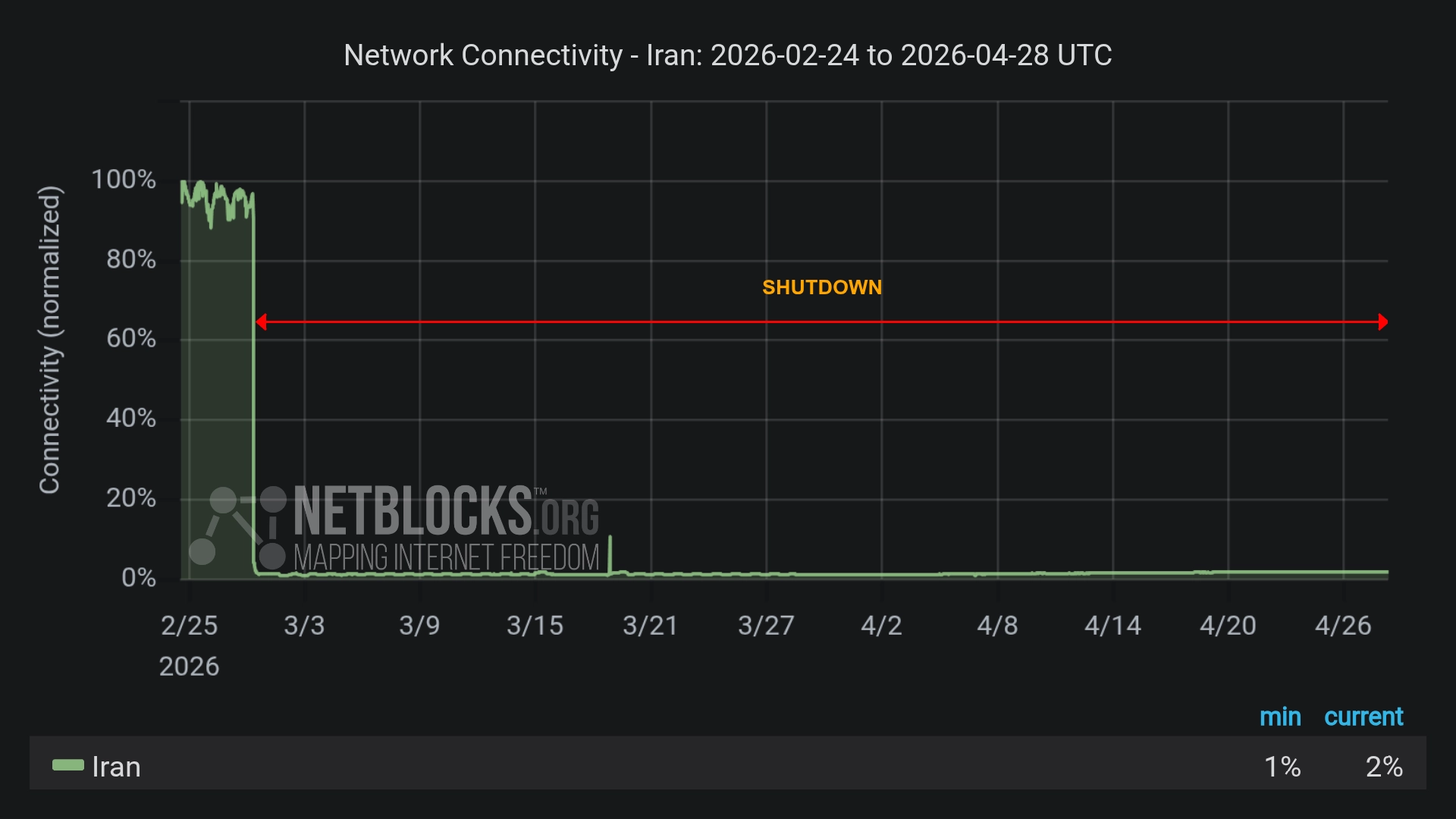 Iran's now 60-day internet blackout is inflicting heavy economic losses, disrupting exports and daily life, while a tiered access plan deepens inequality and signals a shift toward tighter state control of digital connectivity. more
Iran-linked hackers infiltrated US industrial control systems, disrupting energy and water infrastructure. The attacks highlight systemic vulnerabilities in internet-connected devices and signal an enduring cyber threat despite easing geopolitical tensions. more
Iran’s unprecedented internet blackout, imposed after February’s strikes, has reduced connectivity to near zero, tightened state control over information, and set a global precedent for wartime digital isolation with significant humanitarian consequences. more
 America has barred imports of new foreign-made routers, citing cybersecurity risks tied to espionage and infrastructure disruption, signalling a broader push to reduce reliance on Chinese technology in critical network systems. more
 Self-propagating malware hidden in open-source software is targeting Iranian systems, wiping data on infected machines while sparing others, signalling a shift towards precise, politically motivated cyber sabotage through widely trusted digital supply chains. more
ICANN is examining the widespread use of parked domains and zero-click redirection, seeking to understand how automated traffic routing and advertising practices affect transparency, consumer protection and trust in the global domain-name system. more
Security researchers have uncovered Kadnap malware infecting more than 14,000 routers worldwide, forming a resilient peer-to-peer botnet that exploits outdated edge devices and could enable covert communications, proxy traffic, and future cyber attacks. more
 After US and Israeli strikes, Iran imposed a near-total internet blackout, yet citizens used satellite links and decentralized tools to share footage, undermining state control and exposing a growing contest over information in wartime. more
 After quelling nationwide protests, Iran has intensified its use of digital surveillance, deploying phone tracking, facial recognition and online monitoring to identify, intimidate and detain dissenters through a vast state-controlled communications infrastructure. more
 David J. Farber, a pioneering computer scientist and mentor to key architects of the Internet Protocol, has died at 91, leaving a legacy that helped transform isolated machines into the global network underpinning modern communication. more
Despite the long-anticipated exhaustion of IPv4 addresses, the Internet continues to function through clever workarounds, market transfers, and cautious optimism, while IPv6 adoption remains slow and the future of global connectivity appears uncertain. more
Iran is finalizing a nationwide internet isolation system that would allow authorities to disconnect from the global web, as protests continue and external equipment sources, including Huawei, remain shrouded in secrecy. more
Sponsored byCSC

Sponsored byIPv4.Global

Sponsored byVerisign

Sponsored byRadix

Sponsored byDNIB.com

Sponsored byVerisign

Sponsored byWhoisXML API

A World-Renowned Source for Internet Developments. Serving Since 2002.