
Welcome:
Login
|
Sign Up
|
About CircleID
Follow:
|
|
|

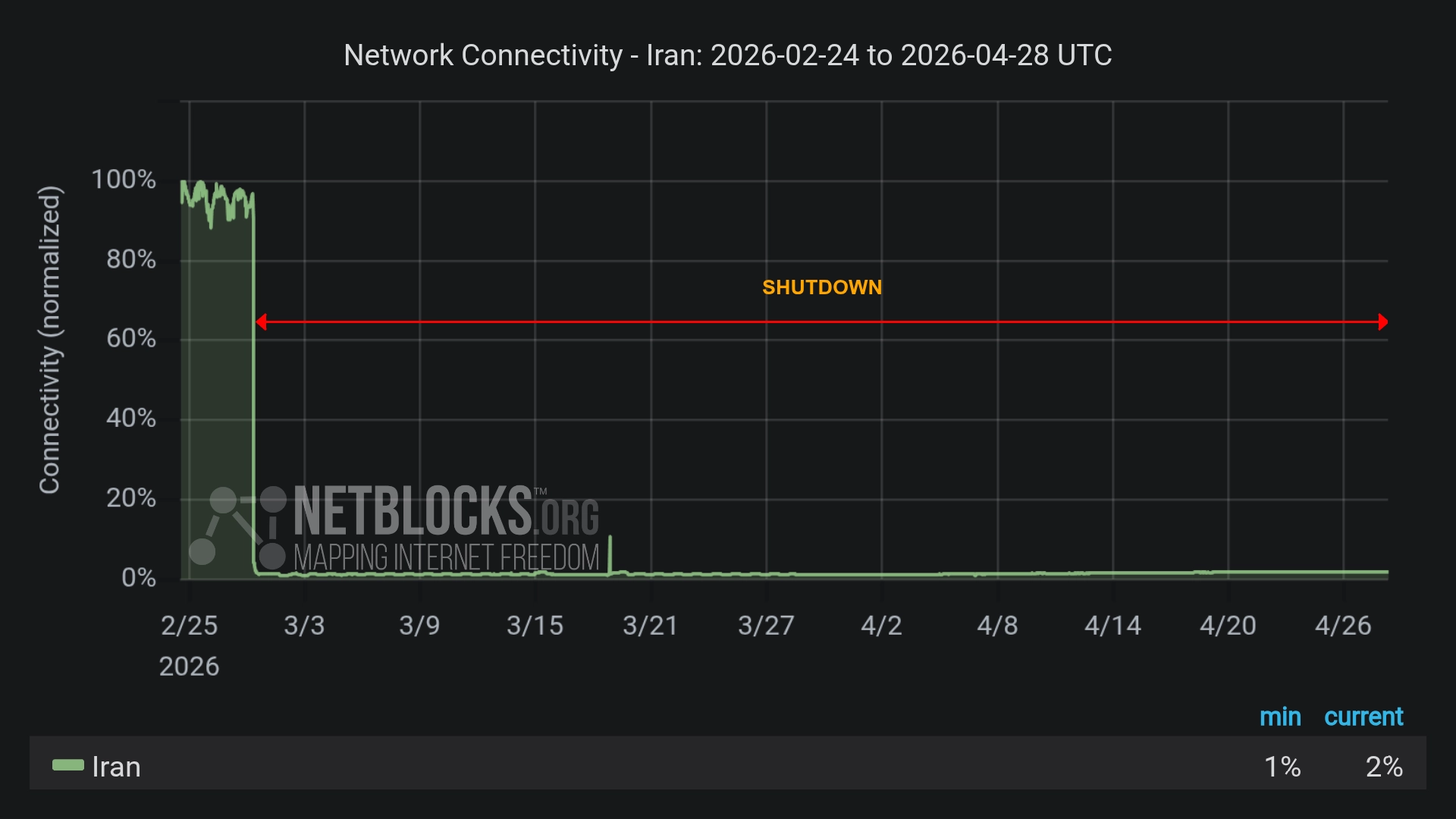 Iran's now 60-day internet blackout is inflicting heavy economic losses, disrupting exports and daily life, while a tiered access plan deepens inequality and signals a shift toward tighter state control of digital connectivity. more
A surge in AI-generated deepfake scams is reshaping the cybersecurity threat landscape, with fraudsters now impersonating company executives to deceive employees and siphon off millions. more
 A bipartisan Senate bill seeks to strengthen U.S. oversight and global coordination to protect undersea fiber-optic cables, vital infrastructure increasingly targeted by geopolitical adversaries, natural disasters, and cyber or physical sabotage. more
 A years-long cyberespionage campaign by a Chinese state-sponsored group known as Salt Typhoon has revealed a striking escalation in both scale and technical sophistication. more
 SpaceX has launched over 10,000 Starlink satellites, solidifying its lead in low-Earth orbit internet infrastructure and accelerating a broader industry shift toward satellite-based broadband in underserved and remote regions worldwide. more
Global eSIM connections are projected to reach 4.9 billion by 2030, driven by China's rapid adoption, new provisioning standards, and growing demand across smartphones, industrial devices, and the expanding Internet of Things ecosystem. more
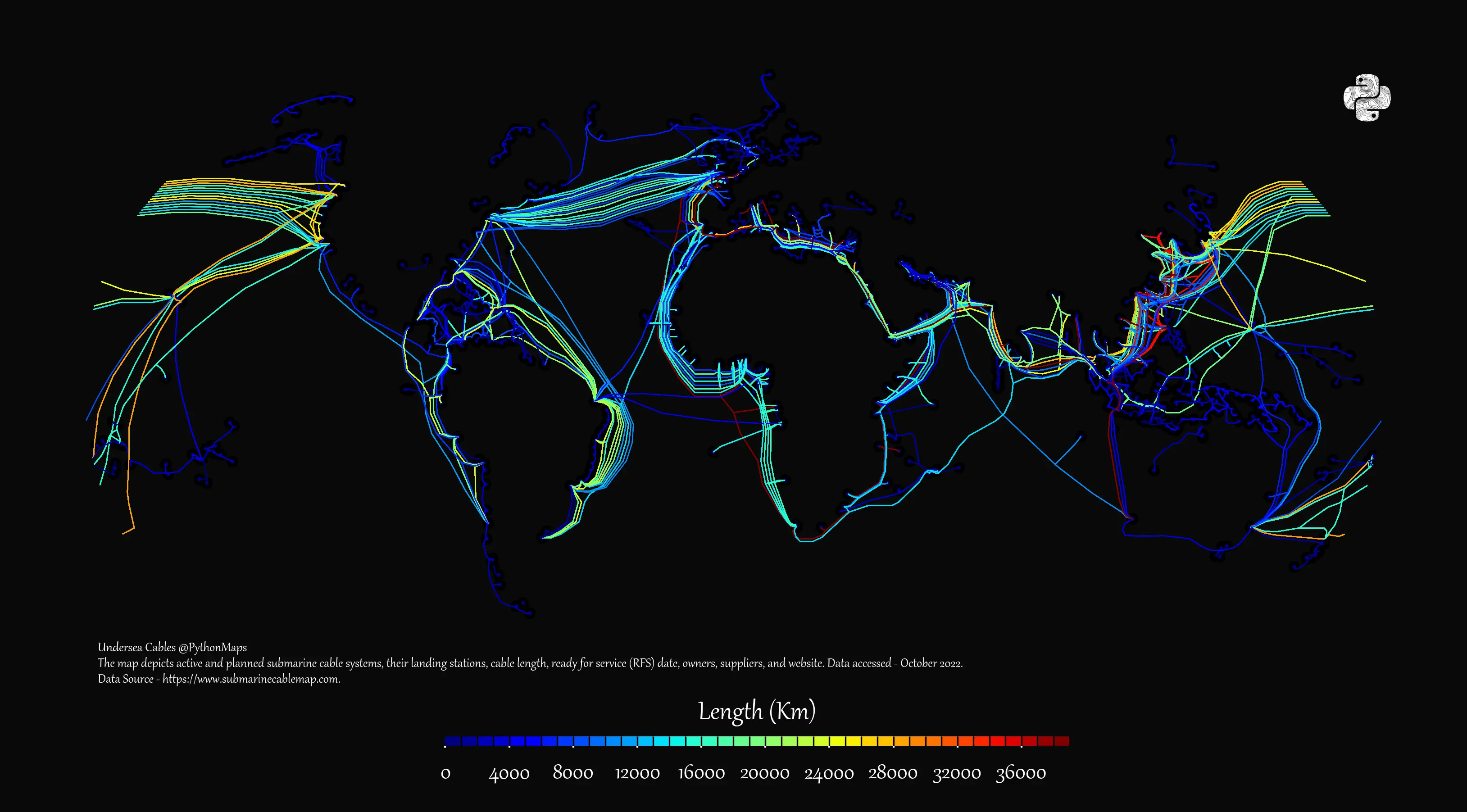 As AI accelerates global data demand, tech giants are investing heavily in subsea cables. These critical networks face rising geopolitical scrutiny and security risks, reshaping the future of digital infrastructure and global connectivity. more
As AI systems take on critical roles in telecommunications, global regulatory frameworks remain outdated and fragmented, leaving essential infrastructure vulnerable to novel risks that current laws on cybersecurity and data protection fail to address. more
The NANOG 95 conference spotlighted breakthroughs in fibre optics, wireless technology, routing security, and quantum computing, offering a forward-looking assessment of internet infrastructure and its vulnerabilities, as reported by APNIC's Geoff Huston. more
China is revising its cybersecurity laws to include faster reporting requirements and stricter oversight of AI-related incidents, reflecting growing concerns about national security and the unchecked expansion of digital infrastructure. more
 Cindy Cohn, a leading advocate for digital civil liberties, will step down as executive director of the Electronic Frontier Foundation (EFF) by mid-2026. Her departure marks the end of a tenure spanning over two decades, including ten years at the helm of the San Francisco-based nonprofit. more
Azure researchers propose attested DNS, a system that embeds confidential computing into the internet's naming infrastructure. By binding domain names to trusted hardware and software, it enhances service verification while maintaining compatibility with existing web technologies. more
As IPv6 adoption accelerates, a new study warns that the disappearance of NAT in home networks is exposing millions of devices to online threats -- potentially fueling a new wave of powerful IoT botnets. more
After three years of turmoil, AFRINIC - the regional internet registry for Africa - has opened online voting for a new board, marking what could be a turning point for the embattled organisation. The election, running from September 10 to 12, follows a failed attempt earlier this year that was annulled amid allegations of vote manipulation and procedural irregularities. more
Alice Munyua criticises ICANN's support for a proposed African internet governance overhaul, arguing it undermines multistakeholder principles and sets a dangerous precedent of political interference in global internet infrastructure. more
Sponsored byCSC

Sponsored byVerisign

Sponsored byRadix

Sponsored byWhoisXML API

Sponsored byVerisign

Sponsored byIPv4.Global

Sponsored byDNIB.com

A World-Renowned Source for Internet Developments. Serving Since 2002.