Welcome:
Login
|
Sign Up
|
About CircleID
Follow:
|
|
|

Brand Protection |
Sponsored by |

|


 Central to many intellectual property disputes is an assessment of the degree of similarity of two contested marks. A determination of similarity is fundamentally a subjective decision involving a range of relevant tests, which include consideration of the perception of the relevant consumer and recognition of the existence of degrees of similarity within a spectrum (from high to low). more
In the final three articles in my series looking at algorithms for measuring the similarity of marks, I extend the ideas to provide a more sophisticated and adaptable framework. Article 4 introduces a similarity score based on color distance in RGB space, offering a quantitative approach to trademark similarity. Article 5 refines word mark similarity by using the International Phonetic Alphabet to improve phonetic analysis. The final article presents a method for sorting colors by dominant shade, aiding in trademark review and potential guidelines for color mark protection. more
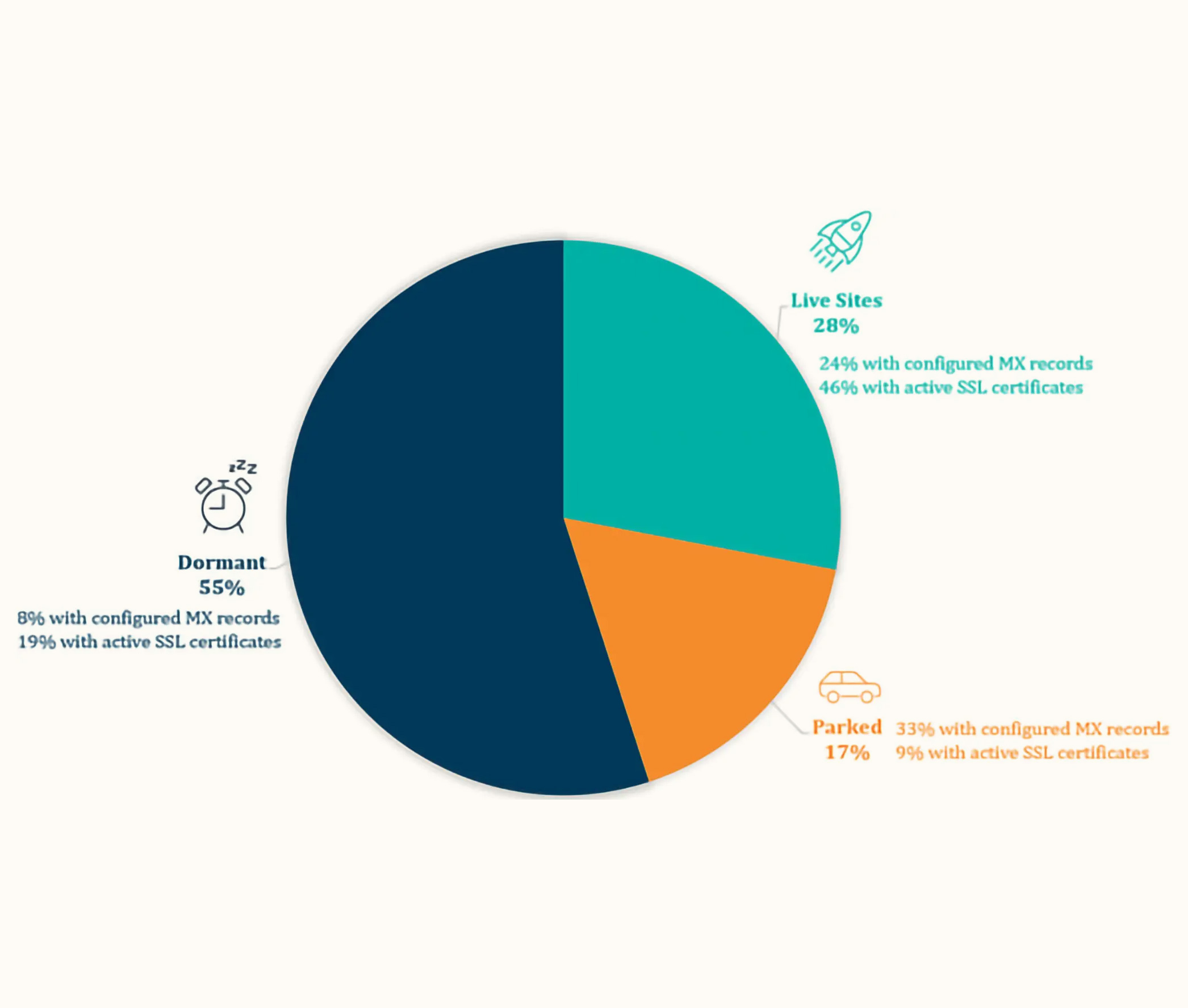
 Third-party domains exploiting brand names are proliferating, with 88% of homoglyphs externally owned. Many remain dormant yet email-enabled, creating scalable phishing risks as attackers increasingly target trust rather than infrastructure. more
 Establishing your brand in an effort to combat counterfeiters on the ever growing and incredibly popular Chinese marketplace Alibaba can seem like a daunting task. Alibaba has grown so popular that it now ships over 12 million packages a day, compared the 3 million shipped by Amazon. Additionally, on Cyber Monday, a popular day for online shopping during the holiday season, Amazon processed 37 million orders. In comparison on Singles Day, an annual holiday in China, Alibaba processed 278 million orders. more
 Marketers far and wide have piled onto the non-fungible token (NFT) craze. To some great success and fanfare, NFTs are being used to promote and monetize media, goods, and services in almost every segment. Media, Fashion, Entertainment, Sports, Gaming, Art, Beverage, Consumer Goods, Financial, and even Enterprise Software companies are getting into the mix. This brief review examines why, how, and where marketers are using NFTs, how NFTs are being abused and gives high-level advice to marketers and brand protection professionals. more
In this final article in the series of studies looking at Euro 2020-related infringements, we revisit domain name infringements and consider activity across other online channels, with a focus on social media and mobile apps. Following the original study, which looked at domains registered before May 2020 with names containing "euro2020" or "euro2021," we analyzed daily activity levels in the period immediately preceding and during the competition. more
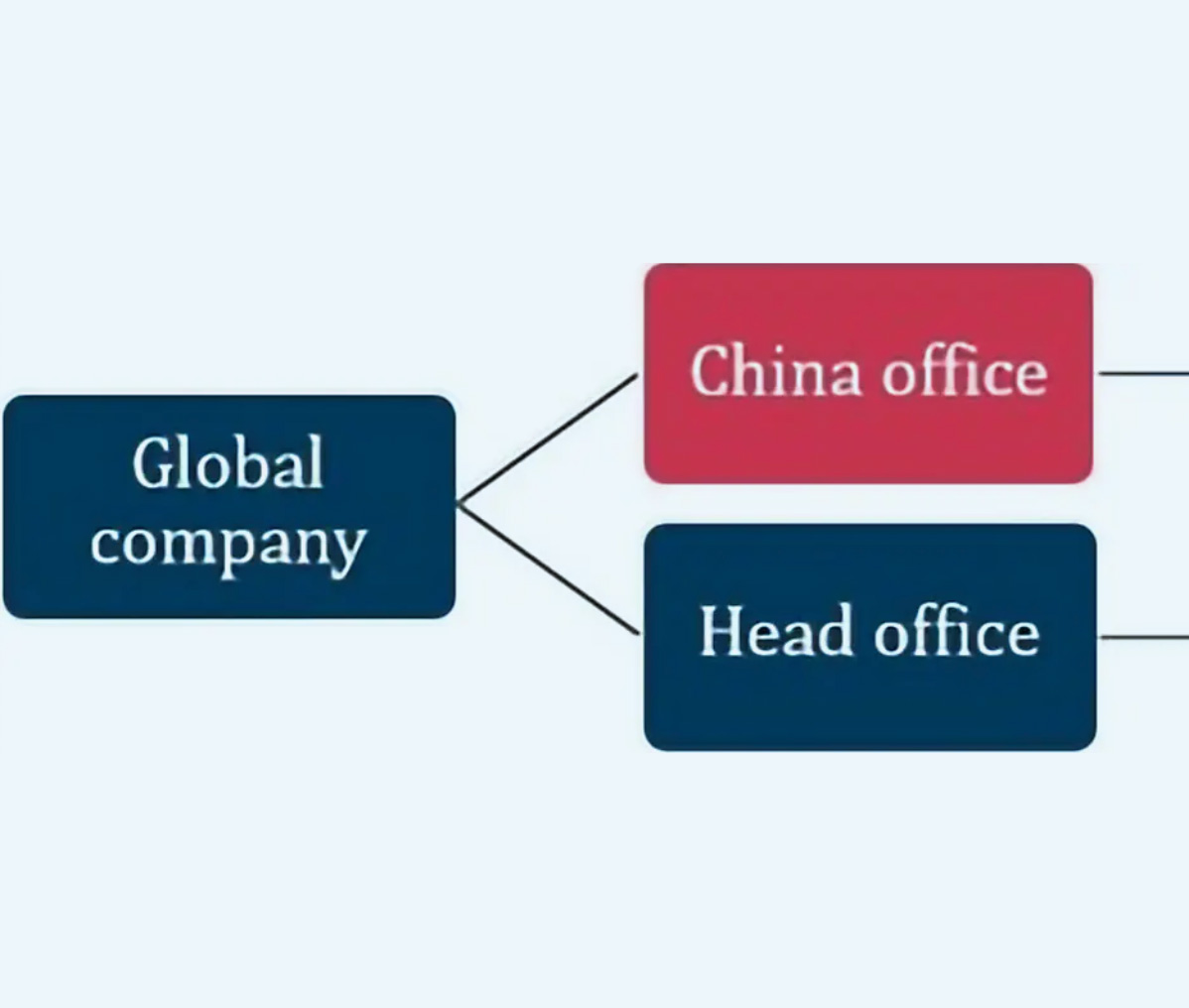
 GlobalBlock's expansion into China and Germany signals a shift from reactive brand protection to centralized prevention, as firms seek scalable, cost efficient defences against proliferating AI driven domain abuse worldwide amid a fragmented digital landscape. more
 It's sometimes easy to forget that the broadband business is just over twenty-five years old. The telephone companies had a monopoly on copper-based technologies until Congress passed the Telecommunication Act of 1996, which forced the big telephone companies to allow competition for copper-based broadband services. more
In the midst of the coronavirus crisis and the partial or total quarantines happening around the world, more people are turning to eCommerce for their purchases. This, combined with the increased demand for healthcare and healthcare-related products, is causing surges of activity on online marketplaces. Perhaps least surprising is the growth in the number of listings for cleaning and hygiene products (e.g., hand sanitizer), as well as facemasks... more
 Unicorn firms lead in DNS-based security adoption, signaling technical maturity, while Global 2000 rely on enterprise registrars. Gaps in redundancy and brand protection expose supply chain risks as cyberattacks intensify across industries globally today. more
 As the first quarter of 2020 ended, the number of new generic Top-Level Domain (gTLD) domain registrations reached approximately 33.2 million. We expect to see additional growth through 2020 as TLDs such as .GAY will complete their launches before the end of the year. Meetings and conferences in the domain industry in 2020 are in flux but will go on in new formats, new timeframes and new locations. more
 Generative AI has turned brand impersonation from a nuisance into an industrial-scale threat, eroding trust. As ICANN's 2026 round approaches, DotBrand domains promise a structural fix to spoofing that strategies failed to deliver in 2012. more
 A flawed abuse-response system shifts costs from perpetrators to intermediaries, overwhelming enforcement. The Trusted Notifier Network seeks to realign incentives, curb low-quality reporting, and restore efficiency by embedding trust, accountability, and cost redistribution. more
Low Earth orbit is crowding as Starlink, Amazon, China and others race to deploy thousands of satellites, promising faster broadband while intensifying global competition, orbital congestion concerns and a push for direct-to-device connectivity. more
 When major events like the Super Bowl are on the horizon, cybercriminals exploit public trust by creating fraudulent domains for fake betting sites, phishing, and malware distribution. CSC's research into top online sportsbooks highlights the hidden risks of dormant domains, which, though inactive, can quickly be repurposed for cyber attacks. Overlooked yet dangerous, these domains play a key role in impersonation, misinformation, and scams targeting event-driven traffic, underscoring the need for continuous monitoring of lookalike, dropped, re-registered, and newly registered domains. more
A World-Renowned Source for Internet Developments. Serving Since 2002.