
Welcome:
Login
|
Sign Up
|
About CircleID
Follow:
|
|

 A Seychelles company controlled by Lu Heng accounts for 10 of Africa's 16 new gTLD applications, linking ICANN's domain expansion to commercial interests and an ongoing dispute over AFRINIC's governance and IPv4 resources.
 The EU Cyber Resilience Act faces mounting implementation challenges involving cybersecurity standards, vulnerability reporting, regulatory overlap and fundamental rights. The author argues that its expansive obligations risk undermining the regulation's effectiveness and enforceability.
 Submarine cables underpin global communications, yet shipping accidents, sabotage risks and aging repair fleets threaten their resilience. Growing private ownership and fragmented international oversight raise difficult questions about infrastructure security, maintenance and accountability.
 As opposition to large data centers grows, developers face mounting pressure to address environmental impacts, infrastructure costs and limited local economic benefits. Greater transparency and community engagement could prove more profitable than secrecy.
 As African healthcare systems adopt digital technologies, cybersecurity governance becomes essential to patient safety. Evidence from Ghana highlights gaps in institutional accountability, staff awareness and implementation, underscoring the need for stronger oversight and resilience.
African institutions are adopting AI across public services and business, but effective deployment requires governance structures that address cybersecurity, accountability, procurement, digital sovereignty, regulatory coordination and institutional capacity.
 SpaceX argues that Starlink makes rural broadband subsidies obsolete, but questions about speed, universal availability, voice service and affordability complicate its case for eliminating high-cost Universal Service Fund support.
The EU Cyber Resilience Act faces questions over its economic impact as third-party estimates point to substantial compliance costs, competitive pressures and unresolved concerns about whether its requirements meet established proportionality and competition norms.
 ICANN's gTLD expansion program is structured to collect fees regardless of outcomes, leaving brand, portfolio and single-string applicants bearing financial risk while accountability mechanisms offer little meaningful remedy when the process fails.
 Telegram says it has applied for .gram, potentially giving a billion users DNS addresses while putting its governance, abuse controls, legal exposure and infrastructure under scrutiny as ICANN prepares to reveal applications.
 auDA has approved in principle tighter .com.au and .net.au eligibility rules that would limit registrations to domains matching a registrant's business name or Australian trademark, with implementation details and timing still pending.
 Project Jake proposes a voluntary, group-based framework for domain registration data disclosure, giving registrars and registries control over access while establishing standardized agreements, requester validation and sensitivity levels to balance privacy with legitimate data needs.
 Building a technology operation in India showed that regulation, governance, security, people and technology work best as one operating environment, with compliance, access controls and local autonomy designed in from the outset.
 DNS abuse enforcement can stop abusive domains and drive systemic registrar reforms, but reporting barriers, inconsistent response times, and poorly documented complaints leave many phishing sites active before actionable cases ever reach enforcement.
 Barbados-born cybersecurity specialist Niel Harper joins ICANN's board in October, aiming to strengthen Latin American and Caribbean participation, improve DNS security and abuse mitigation, and expand developing-economy access to the next gTLD round.
 France Proposes One-Hour Social Media Removal Rule After Secret DNS-Blocking Plans
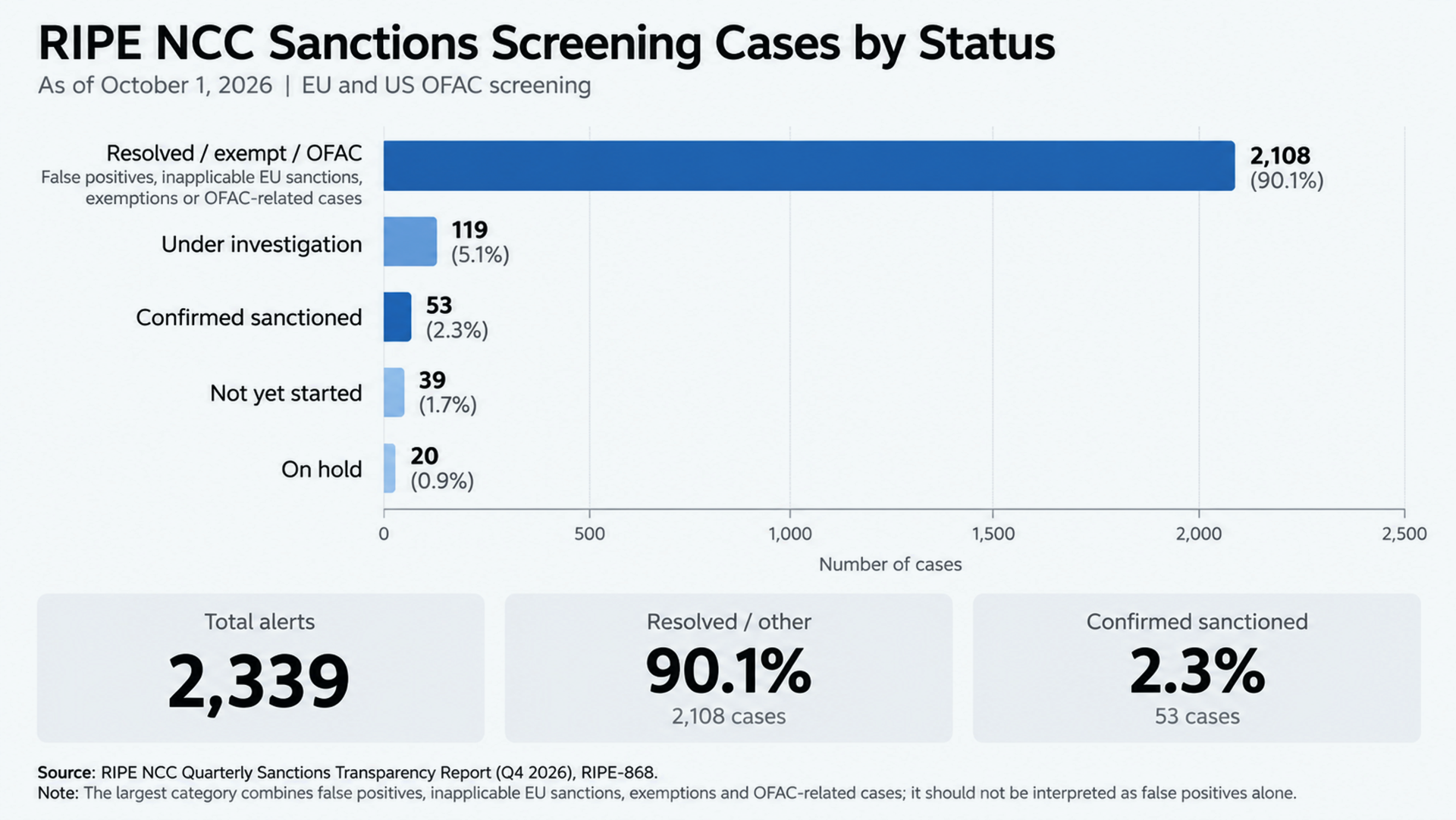 RIPE NCC Freezes Internet Number Resources Under EU Sanctions, but Routing Remains Unaffected
 UK Proposes Tougher Undersea Cable Security Laws and Emergency Intervention Powers
 Dutch Police Seize Italian Internet Provider’s Server at US Request
 EU Sets Sustainability Labels for Larger Data Centers
 Canada Plans Sovereign Broadband Backbone With New Fibre Investment Incentive
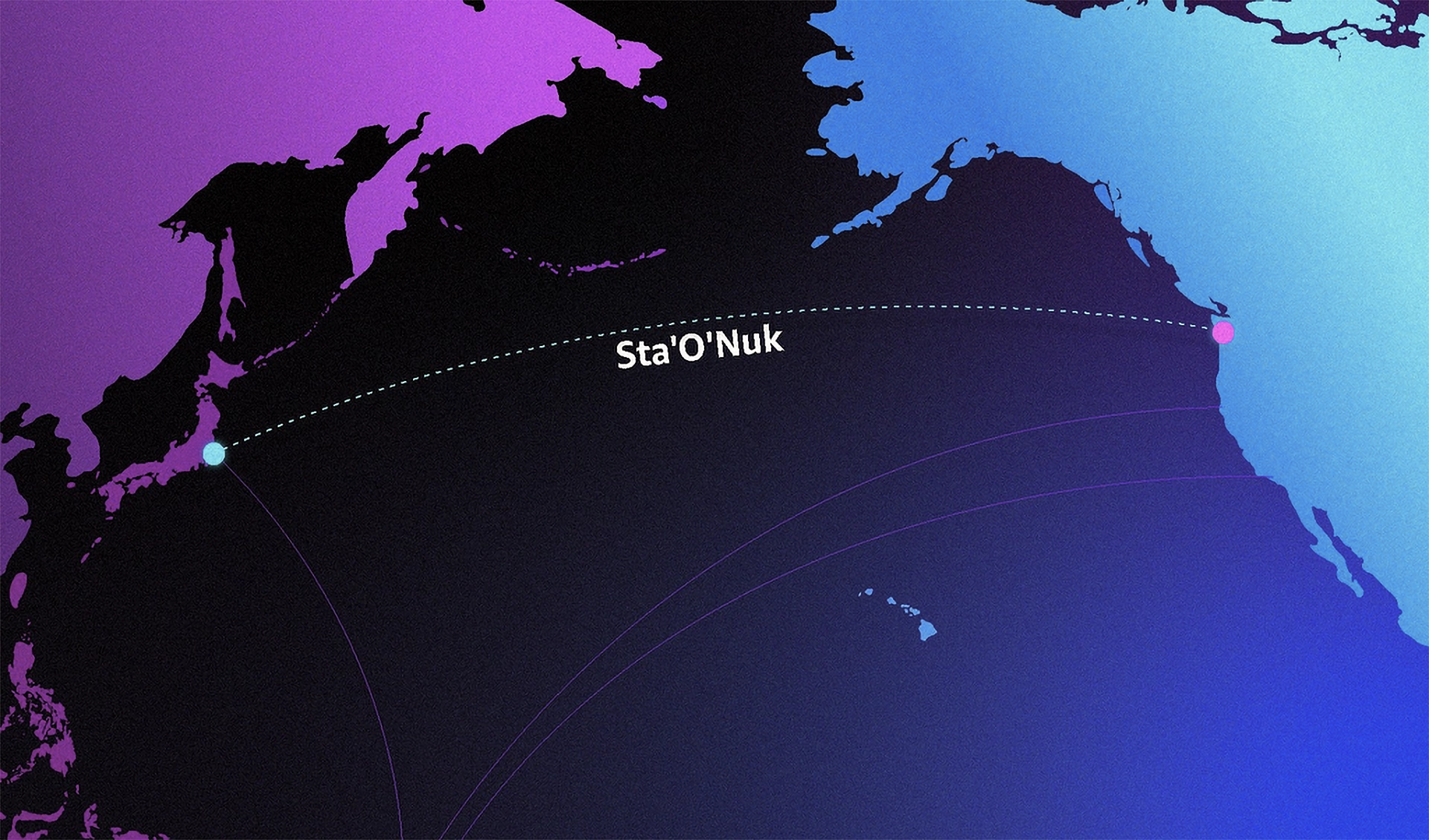 AWS Plans 420 Tbps Subsea Cable Between United States and Japan
 4iG and SpaceX Plan Starlink Mobile Rollout Across Hungary and Western Balkans
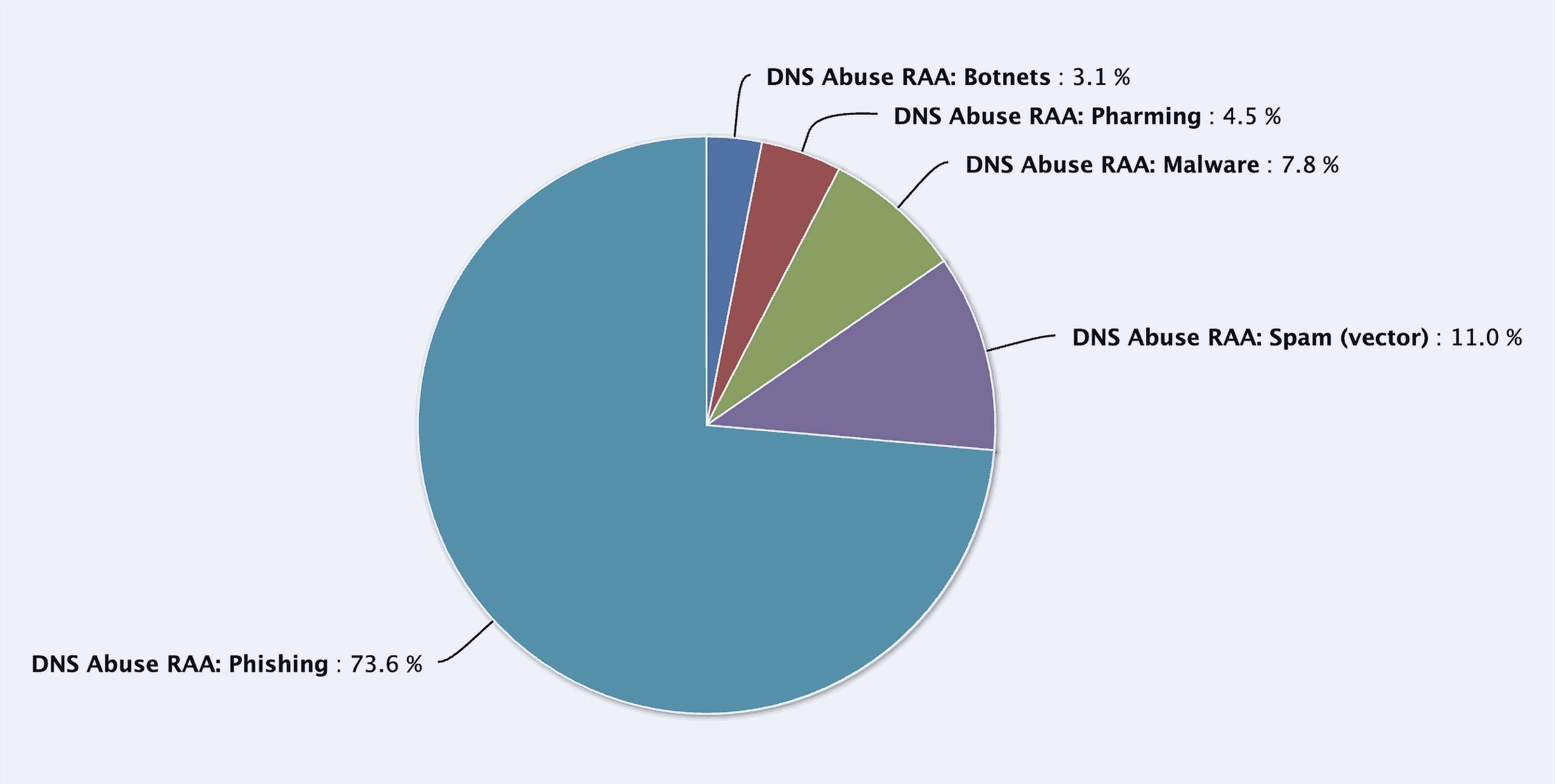 ICANN’s New Data Sharpens the Picture of DNS-abuse Enforcement
 Spain to Require Four Hours of Mobile Service During Power Blackouts
A World-Renowned Source for Internet Developments. Serving Since 2002.