Welcome:
Login
|
Sign Up
|
About CircleID
Follow:
|
|

Brand Protection |
Sponsored by |

|



A surge in massive cybersquatting disputes pushed UDRP domain-name cases sharply higher in early 2026, with two complaints alone accounting for more than a quarter of all disputed domains, according to a new report released by GigaLaw. more
 TNN proposes a contractual chain of indemnity to shift legal risk in global takedowns, replacing patchy statutory protections with enforceable accountability and a fund that makes good-faith action commercially viable for smaller intermediaries. more
 Domains enter a mature phase as AI reshapes discovery, security sharpens, and new gTLDs expand. Once simple addresses, they are becoming critical infrastructure for identity, trust, and automated commerce in the evolving web. more
A flawed abuse-response system shifts costs from perpetrators to intermediaries, overwhelming enforcement. The Trusted Notifier Network seeks to realign incentives, curb low-quality reporting, and restore efficiency by embedding trust, accountability, and cost redistribution. more
 As ICANN opens its 2026 round, firms sharing trademarks must weigh applying for a .BRAND domain against legal risks and competitive loss, with evidence suggesting first movers gain advantage while objections rarely prevail. more
 Generative AI has turned brand impersonation from a nuisance into an industrial-scale threat, eroding trust. As ICANN's 2026 round approaches, DotBrand domains promise a structural fix to spoofing that strategies failed to deliver in 2012. more
 A six year study of Global 2000 firms finds progress on email authentication but worrying gaps elsewhere. Despite rising DMARC adoption, falling DNS redundancy and uneven regional uptake leave companies exposed to domain based attacks. more
ICANN will open applications for new top-level domains in April 2026, offering brands a rare chance to secure custom domain names to enhance trust, marketing flexibility, and long-term online security. more
 DOTZON's 2025 study analyzes over 410 corporate dotBrands to reveal how companies strengthen digital identities through custom top-level domains. Audi retains first place, while newcomers like CRS and rising performers such as Schwarz demonstrate growing strategic use. more
 As artificial intelligence reshapes how users navigate the web, domain names may undergo explosive growth, potentially reaching tens of billions. A new infrastructure of trusted digital identities could become essential for AI agents. more
Many previous pieces of research have focused on the desirability of a comprehensive scoring system, to be used for ranking results identified as part of a brand-protection solution, according to their potential level of threat. Such scoring systems offer the capability for identifying prioritised targets for further analysis, content tracking or enforcement actions. more
 As published on June 24, 2025, it is with no surprise that the AFNIC was renewed as the backend registry provider of the .PARIS new generic Top-Level Domain. What caught my attention in the announcement was this paragraph: “Afnic’s remit will also be expanded to include communication and promotion of the .paris TLD, as well as the development of initiatives designed to increase its adoption by businesses and private individuals.” more
The ability to rank results according to the level of threat they pose (based on factors such as, for example, the extent to which a webpage relates to a brand of interest) is a key component of many brand protection services. The prioritisation process has a number of purposes, including the identification of: (a) priority targets for further analysis; (b) candidates for content tracking (i.e. regular reinspection of content or configuration, and the generation of an alert if high-concern findings are identified) - as may be appropriate in cases where a domain name presents a high potential level of risk but is not currently associated with any live site content; and (c) priority targets for enforcement actions. more
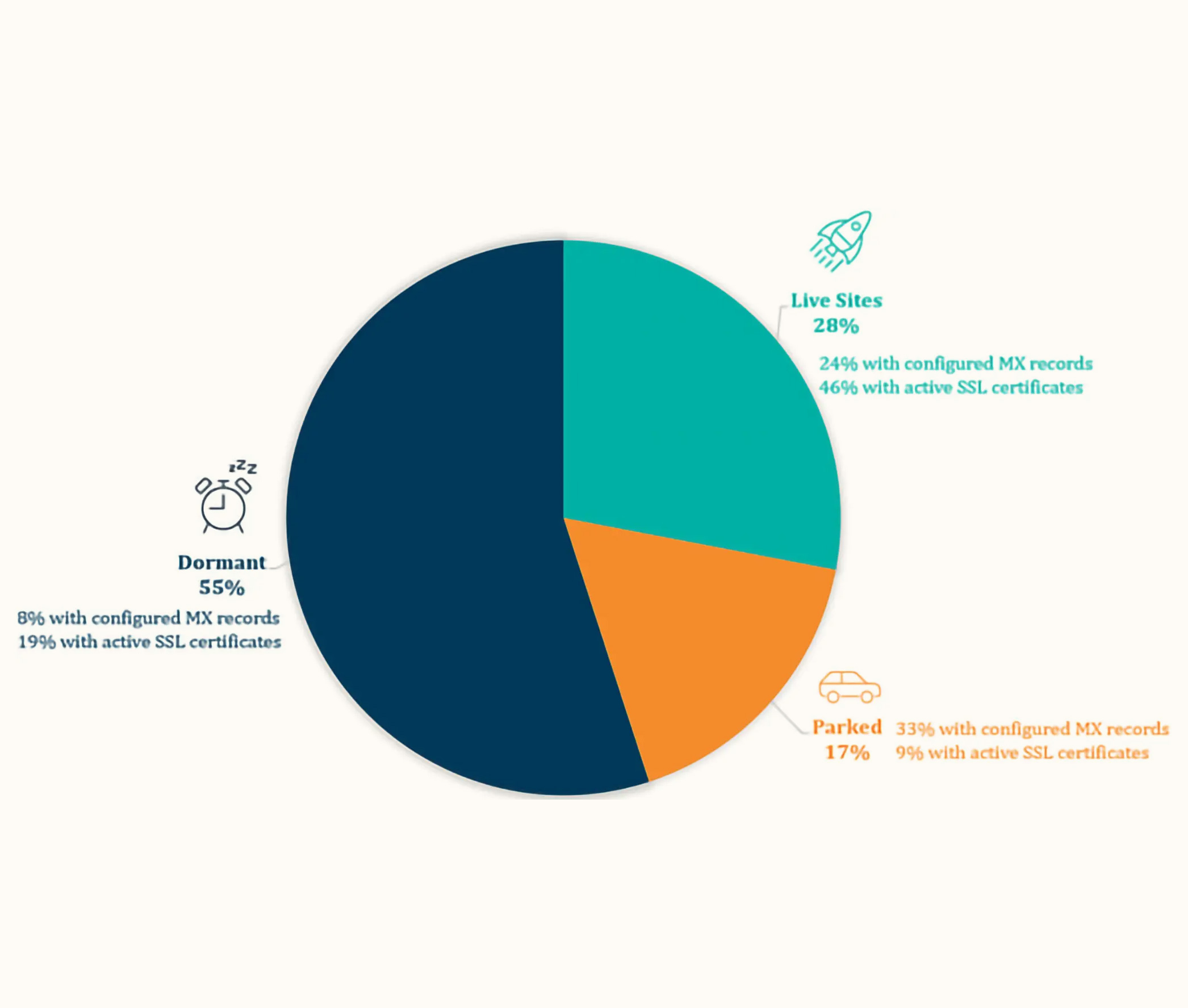
 When major events like the Super Bowl are on the horizon, cybercriminals exploit public trust by creating fraudulent domains for fake betting sites, phishing, and malware distribution. CSC's research into top online sportsbooks highlights the hidden risks of dormant domains, which, though inactive, can quickly be repurposed for cyber attacks. Overlooked yet dangerous, these domains play a key role in impersonation, misinformation, and scams targeting event-driven traffic, underscoring the need for continuous monitoring of lookalike, dropped, re-registered, and newly registered domains. more
One major element of many brand-protection programmes is the use of an algorithm to sort the findings identified through monitoring, according to their relevance or level of potential threat. This prioritisation process offers a number of benefits, including the identification of priority targets for further analysis, content tracking, or enforcement. more
A World-Renowned Source for Internet Developments. Serving Since 2002.