
Welcome:
Login
|
Sign Up
|
About CircleID
Follow:
|
|
|

 Africa's internet governance faces parallel tracks as AFRINIC's community-led reforms unfold alongside a continent-wide blueprint, raising questions over whether legitimacy will stem from participatory processes or increasingly coordinated external alignment.
 Jan Žorž reflects on SEE RIPE's role in uniting a fragmented region, where trust built through informal exchange now underpins internet resilience and helps align engineers with policymakers as regulatory pressures intensify.
 Subsea cables underpin global data flows, yet resilience, control and deep sea access now define digital sovereignty as governance fragments, hyperscalers consolidate ownership, and states prioritize survivability over efficiency in an increasingly contested geopolitical seabed.
 As AI agents scale, IP reputation emerges as a hidden constraint, shaping access to external systems and degrading performance. Managing network identity, not just models, is becoming essential for reliable data collection.
 TNN proposes a contractual chain of indemnity to shift legal risk in global takedowns, replacing patchy statutory protections with enforceable accountability and a fund that makes good-faith action commercially viable for smaller intermediaries.
 Community networks, locally built and governed, are emerging across Africa as cost-effective tools to extend connectivity, bolster digital sovereignty, and improve cyber resilience, despite regulatory, financial, and technical constraints that hinder broader adoption.
 Third-party domains exploiting brand names are proliferating, with 88% of homoglyphs externally owned. Many remain dormant yet email-enabled, creating scalable phishing risks as attackers increasingly target trust rather than infrastructure.
Geofeed data, long reliant on unverifiable self-assertions, faces mounting security risks. Integrating RPKI could transform it into a trusted, cryptographically validated infrastructure, strengthening routing integrity, regulatory compliance, and digital sovereignty across an increasingly contested internet.
 AI agents are rapidly becoming primary internet users, with inference-driven traffic reshaping network demands and exposing infrastructure blind spots as latency-sensitive, machine-to-machine activity begins to outpace and outcompete human web behavior.
 Domains enter a mature phase as AI reshapes discovery, security sharpens, and new gTLDs expand. Once simple addresses, they are becoming critical infrastructure for identity, trust, and automated commerce in the evolving web.
 Surging outages and mounting losses are increasingly forcing a rethink of network operations, as NOGs now confront a shift from technical exchange to strategic governance, where resilience, leadership, and institutional influence define the profession's future.
 Satellite internet is from backup to core infrastructure, as LEO constellations, non-terrestrial networks and direct-to-device services reshape connectivity, forcing governments and operators to rethink resilience, sovereignty and the architecture of the internet.
 America's Supreme Court, in Cox v Sony, recast online copyright liability, effectively sidelining the DMCA safe harbor and replacing it with a narrow inducement standard that leaves service providers little obligation to meaningfully police infringement.
 CaribNOG's 32nd forum in Curaçao marks a shift from volunteer roots to institutional structure, as the Caribbean network community formalises programmes, expands research, and positions itself to tackle climate, geopolitical, and infrastructure pressures.
 The history of the Regional Internet Registry system shows it was designed as a community-governed framework, not a passive ledger, with legitimacy rooted in delegated authority, open policy development, and multistakeholder coordination from its inception.
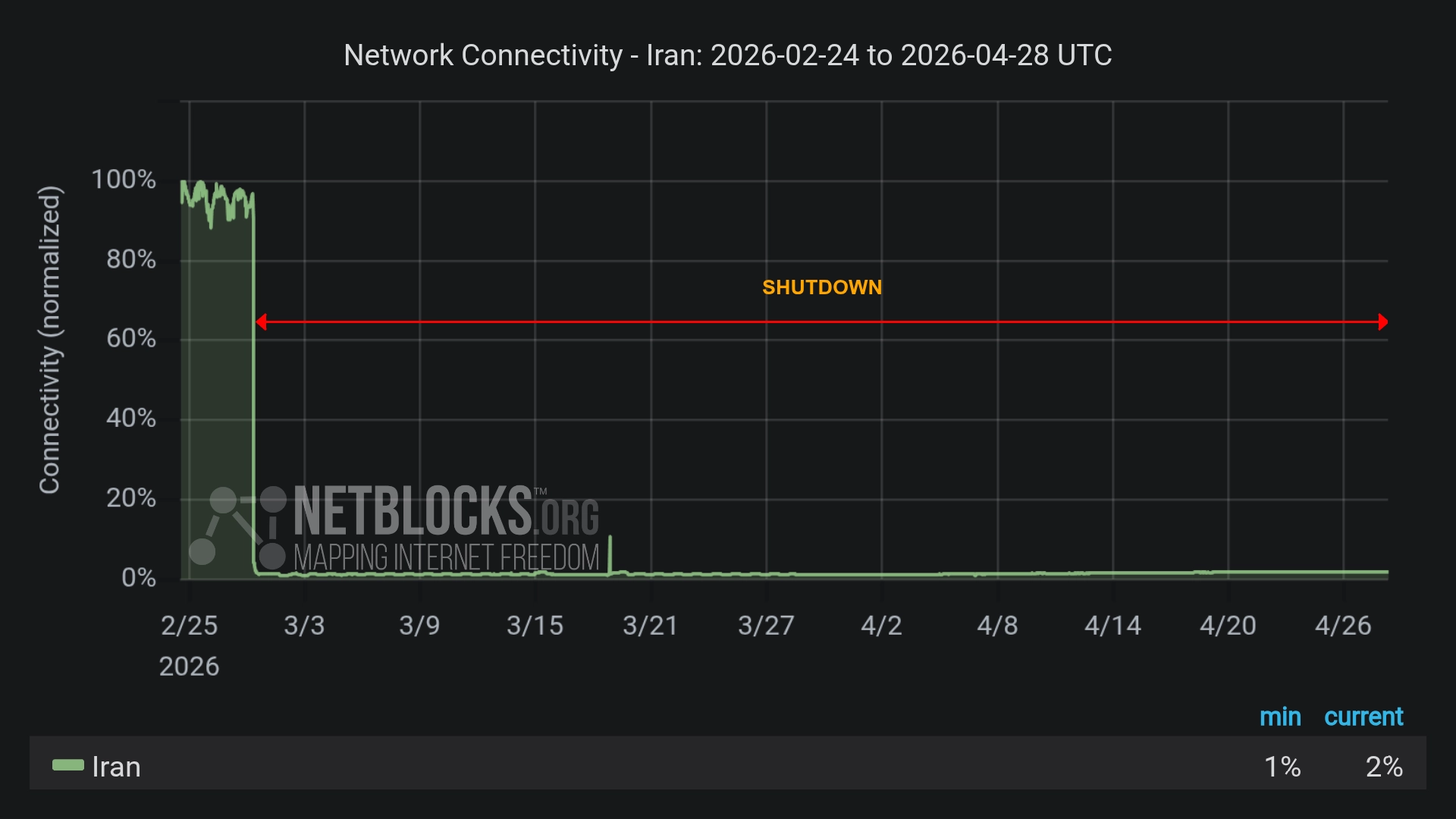 Iran’s Internet Blackout Hits 60 Days - Deepening Economic Crisis, Two-Tier Access
 U.S. Blocks Foreign-Made Routers Over Cybersecurity Fears
 Iran Targeted by Self-Propagating Malware in Supply-Chain Cyberattacks
 Iranians Outsmart Internet Blackout to Broadcast Airstrikes
 Iran Expands Digital Dragnet After Crushing Protests
 David J. Farber, Early Architect of the Internet, Dies at 91
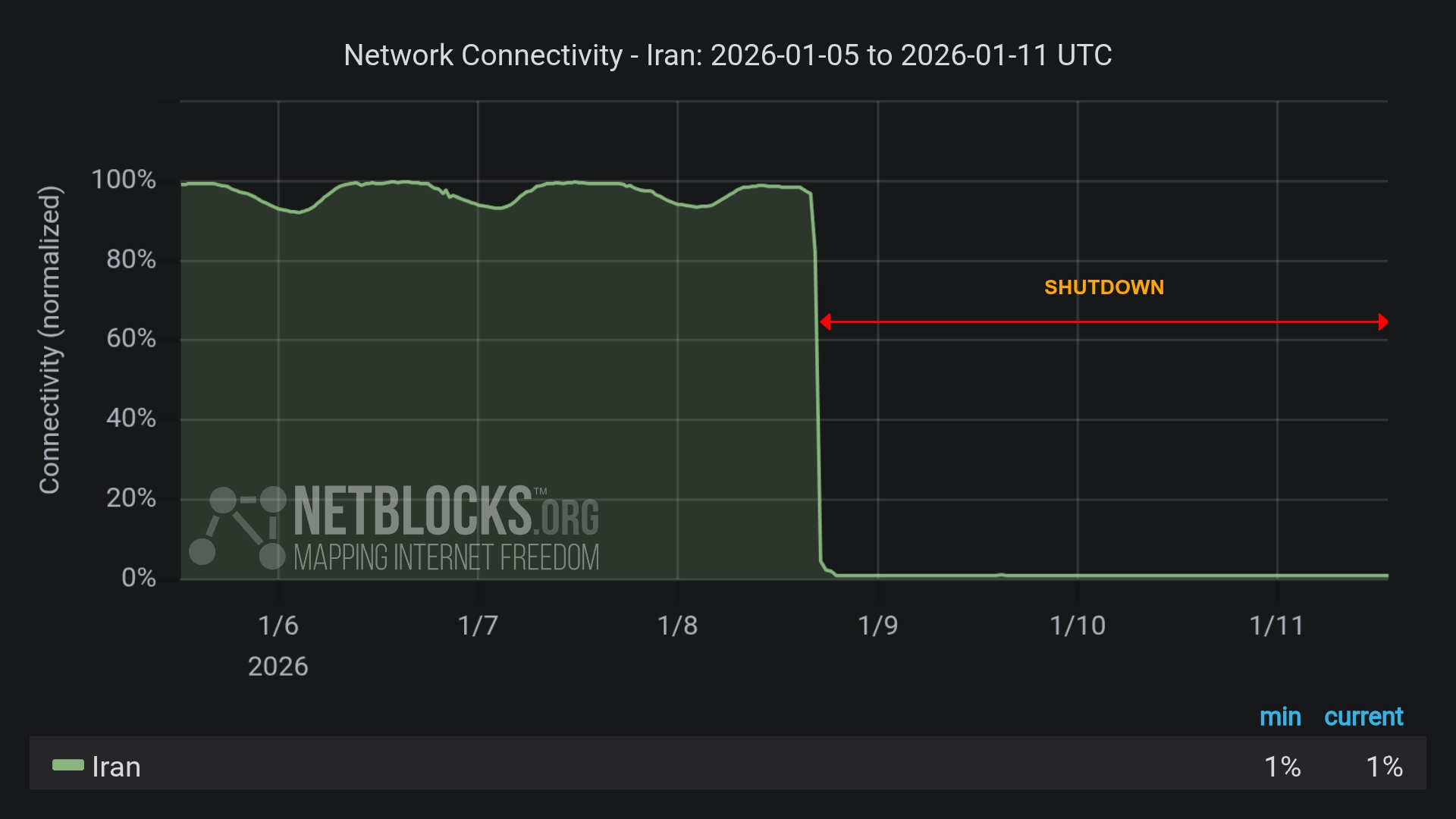 Iran Cuts Off Internet Nationwide as Regime Disrupts Even Starlink Amid Expanding Protests
 US Senators Move to Shield Undersea Internet Cables from Global Threats
A World-Renowned Source for Internet Developments. Serving Since 2002.