
Welcome:
Login
|
Sign Up
|
About CircleID
Follow:
|
|

 A blind comparison of domain classification results found strong agreement for investor-pattern names but lower recall for operator-aligned names, raising questions about earlier namespace composition estimates and the limits of structural classification.
 The Domain Trust Badge pilot introduces a voluntary framework for registries and registrars to demonstrate effective anti-abuse practices through 17 requirements, evidence-based validation and a new metric measuring abuse mitigation performance.
 Pakistan's .pk domain has gained DNSSEC protection, but an October 11 scan found just one fully validating domain among 158,561 examined. Another 1,230 signed domains lack the parent-zone records needed to establish trust.
 ICANN's Reveal Day list holds 263 contention sets. With private deals banned this round, any set that reaches an ICANN auction will end in a public price. The 2012 auctions show why the number of bidders is a weak guide to that price.
 A Seychelles company controlled by Lu Heng accounts for 10 of Africa's 16 new gTLD applications, linking ICANN's domain expansion to commercial interests and an ongoing dispute over AFRINIC's governance and IPv4 resources.
 An analysis of 41,140 Dominican Republic .do domains reveals widespread website inactivity and distinctive naming patterns, raising questions about domain speculation, brand protection and the international appeal of the country's Internet namespace.
 ICANN's 2026 new gTLD applications reveal a shift toward AI agents, developer infrastructure and digital trust, with .agent replacing .app as the most contested string amid growing competition and persistent geographic disparities.
 ICANN's 2026 new gTLD round attracted 333 dotBrand applications, representing 20.6% of submissions. Participation across major industries reflects growing interest in controlling branded namespaces and strengthening enterprise digital identity.
Structural analysis of four established gTLD namespaces suggests registration totals alone offer an incomplete picture. Tracking composition alongside operational data could help new registry operators investigate whether their namespaces are developing as intended.
Daily CZDS zone data can help brand owners and investigators detect suspicious domain registrations earlier, trace related infrastructure, monitor expired names, and shift enforcement from reactive disputes toward faster, evidence-based intervention.
 Telegram says it has applied for .gram, potentially giving a billion users DNS addresses while putting its governance, abuse controls, legal exposure and infrastructure under scrutiny as ICANN prepares to reveal applications.
auDA has approved in principle tighter .com.au and .net.au eligibility rules that would limit registrations to domains matching a registrant's business name or Australian trademark, with implementation details and timing still pending.
 The 15th Registration Operations Workshop convenes domain name and DNS professionals September 29 for technical sessions on mTLS, RPKI, DNS resilience, delegations, DNSSEC, registrar concentration, dispute proceedings and alternative naming systems.
Russia is imposing state identity verification on .su, the Soviet Union's surviving domain, as researchers uncover criminal infrastructure across the namespace and ICANN pursues a retirement process that could eventually remove it from the global root.
 Fourteen years after ICANN's last gTLD expansion, registration figures offer an incomplete verdict. The next round will test whether applicants can build namespaces with enduring relevance, rather than merely generating impressive launch volumes and revenues.
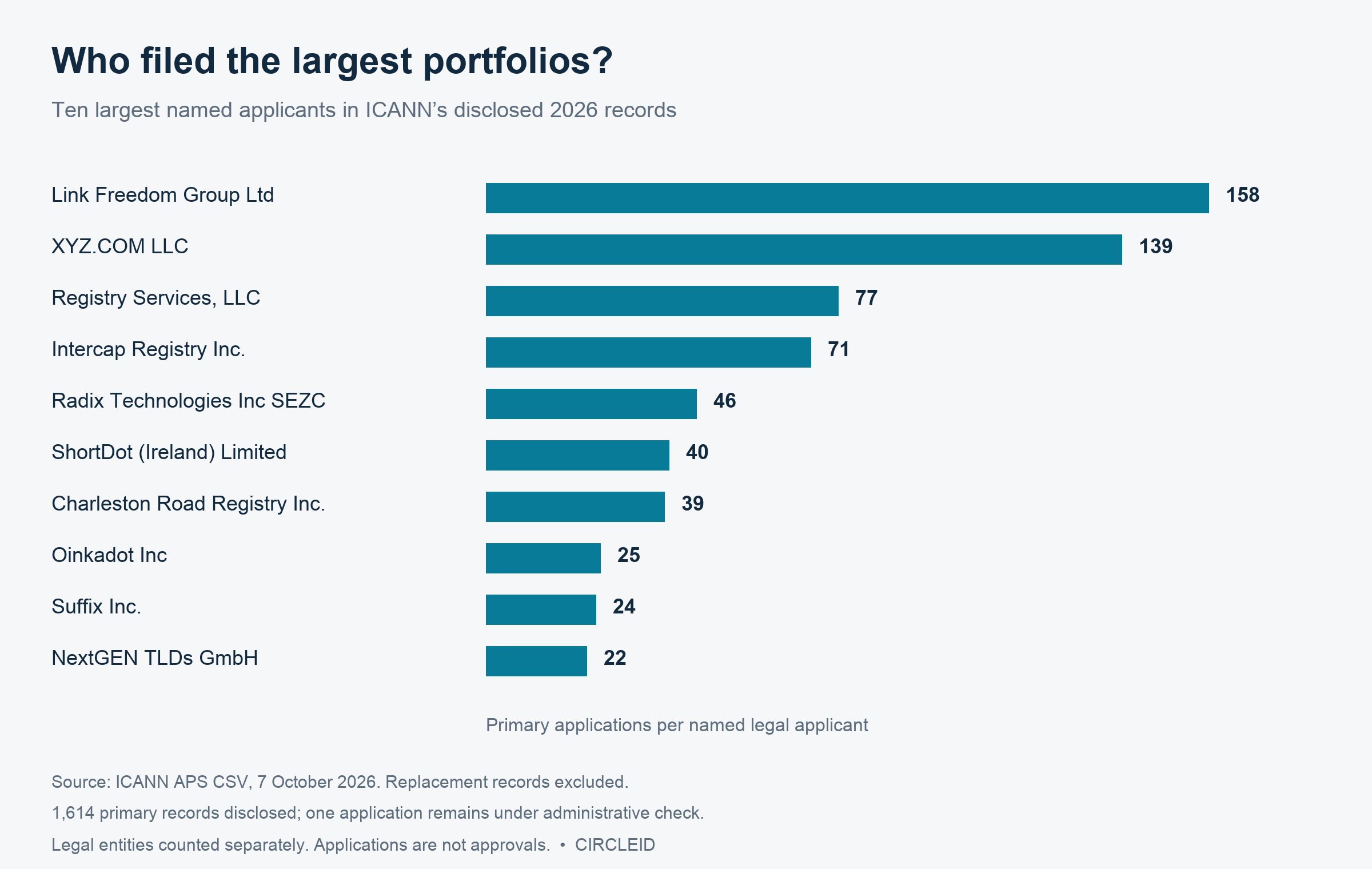 OpenAI, Meta and Registry Operators Seek New gTLDs as .agent Draws 13 Applications
 .si Registrations Surge After US Shift to ‘Super Intelligence’
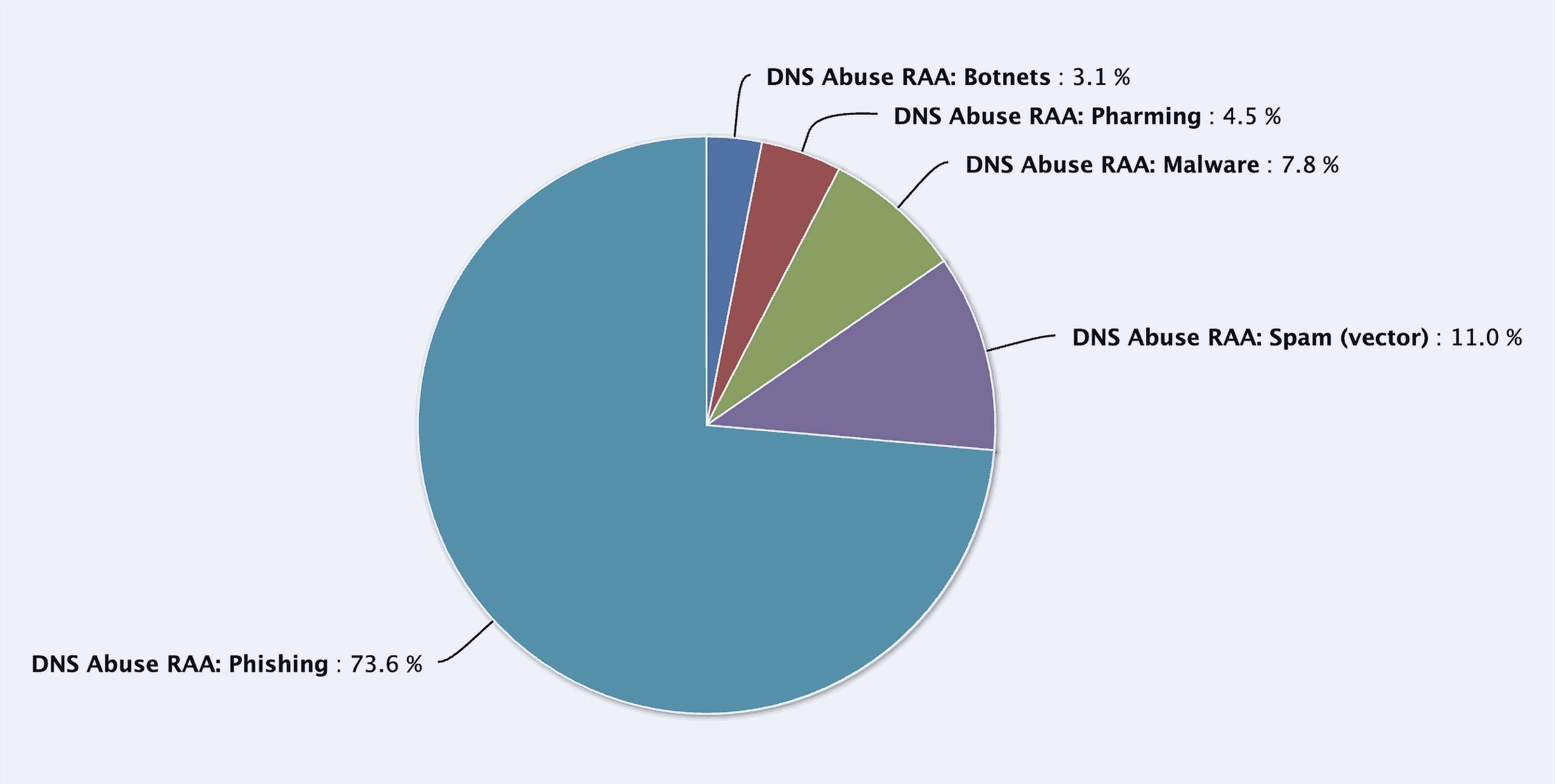 ICANN’s New Data Sharpens the Picture of DNS-abuse Enforcement
 ICANN Opens New gTLD Applications for First Time Since 2012, With $227K Entry Fee and 27 Scripts
A World-Renowned Source for Internet Developments. Serving Since 2002.