
Welcome:
Login
|
Sign Up
|
About CircleID
Follow:
|
|
|


 The history of the Regional Internet Registry system shows it was designed as a community-governed framework, not a passive ledger, with legitimacy rooted in delegated authority, open policy development, and multistakeholder coordination from its inception.
 Afnic's 2025 review finds .fr registrations at a record 4.3m, with strong new domain creation and steady retention, even as competition from .com and shifting digital trends temper expectations for future growth in 2026 overall.
 Unicorn firms lead in DNS-based security adoption, signaling technical maturity, while Global 2000 rely on enterprise registrars. Gaps in redundancy and brand protection expose supply chain risks as cyberattacks intensify across industries globally today.
 Africa's cybersecurity failures stem less from sophisticated hackers than from insecure system design, weak governance and limited skills, leaving institutions exposed and shifting the challenge from external threats to internal accountability and resilience.
 AFRINIC's fight over 6.2 million IPv4 addresses exposes how legal pressure, offshore vehicles and scarcity economics can strip Africa of leverage, turning a technical dispute into a test of sovereignty, institutional resilience and Internet governance.
 LACNIC's LAC-2025-5 proposal formalises IPv4 sub-assignments, bringing grey-market leasing into a framework, easing scarcity pressures, improving registry accuracy, and lowering barriers for smaller providers while preserving incentives to adopt IPv6, across Latin America and Caribbean.
 As governments, firms and engineers reshape networks, the internet is fragmenting into rival systems. Interoperability erodes, raising costs, curbing rights and weakening resilience, with global growth, innovation and cooperation increasingly at risk.
 Kinetic attacks on Gulf data centres expose the cloud's physical fragility, recasting AI infrastructure as strategic targets and accelerating bunkerisation, while outdated data laws leave firms choosing between legal compliance and digital survival.
 Private internet registries have inflated narrow technical roles into quasi-sovereign authority, laundering mandate through ritual and rhetoric; a fragile system now faces legal, economic and political reckoning, prompting calls for coordinated transition urgent global reform.
 Africa's looming AI rules expose a deeper problem: foreign-controlled infrastructure, weak enforcement capacity and externally governed data flows are eroding digital sovereignty, leaving states unable to regulate, protect citizens or meet global obligations.
 Low Earth orbit is crowding as Starlink, Amazon, China and others race to deploy thousands of satellites, promising faster broadband while intensifying global competition, orbital congestion concerns and a push for direct-to-device connectivity.
 A flawed abuse-response system shifts costs from perpetrators to intermediaries, overwhelming enforcement. The Trusted Notifier Network seeks to realign incentives, curb low-quality reporting, and restore efficiency by embedding trust, accountability, and cost redistribution.
Africa's rapid digital expansion, from fintech to e-government, is outpacing its cybersecurity capacity, leaving critical systems exposed and trust at risk unless governments embed security as a core pillar of development across the continent today.
 Across Asia Pacific, millions are excluded from digital services because systems fail to recognise non Latin scripts, exposing how flawed design assumptions about internet users entrench inequality across the region in welfare, finance and education.
 GlobalBlock's expansion into China and Germany signals a shift from reactive brand protection to centralized prevention, as firms seek scalable, cost efficient defences against proliferating AI driven domain abuse worldwide amid a fragmented digital landscape.
Africa's push toward IPv6 cannot bypass IPv4 scarcity, as uneven infrastructure, market dynamics, and governance disputes raise costs, entrench inequality, and risk turning transitional address shortages into a lasting brake on digital development across regions.
 ICANN's new DNS abuse rules mark progress, yet short-term domain leasing enables fleeting, hard-to-detect attacks. A proposed 30-day minimum lease could curb cybercrime by undermining the economics of weaponised parked domains.
A dispute over African IP governance exposes a flaw in the RIR system, where thin policy, weak accountability and institutional self preservation risk overriding running networks and undermining the technical legitimacy that sustained global coordination.
America's FCC has barred new foreign-made consumer routers on security grounds, tightening supply for ISPs and households while raising costs and risking technological lag unless domestic manufacturing or approvals quickly expand in coming years significantly.
Afrinic crisis exposes how legal pressure, proxy advocacy and owned media reshape narratives, potentially threatening global internet registry governance and shifting Africa's IP resources from public stewardship toward market commodification with broader far-reaching institutional consequences.
Iran-linked hackers infiltrated US industrial control systems, disrupting energy and water infrastructure. The attacks highlight systemic vulnerabilities in internet-connected devices and signal an enduring cyber threat despite easing geopolitical tensions. more
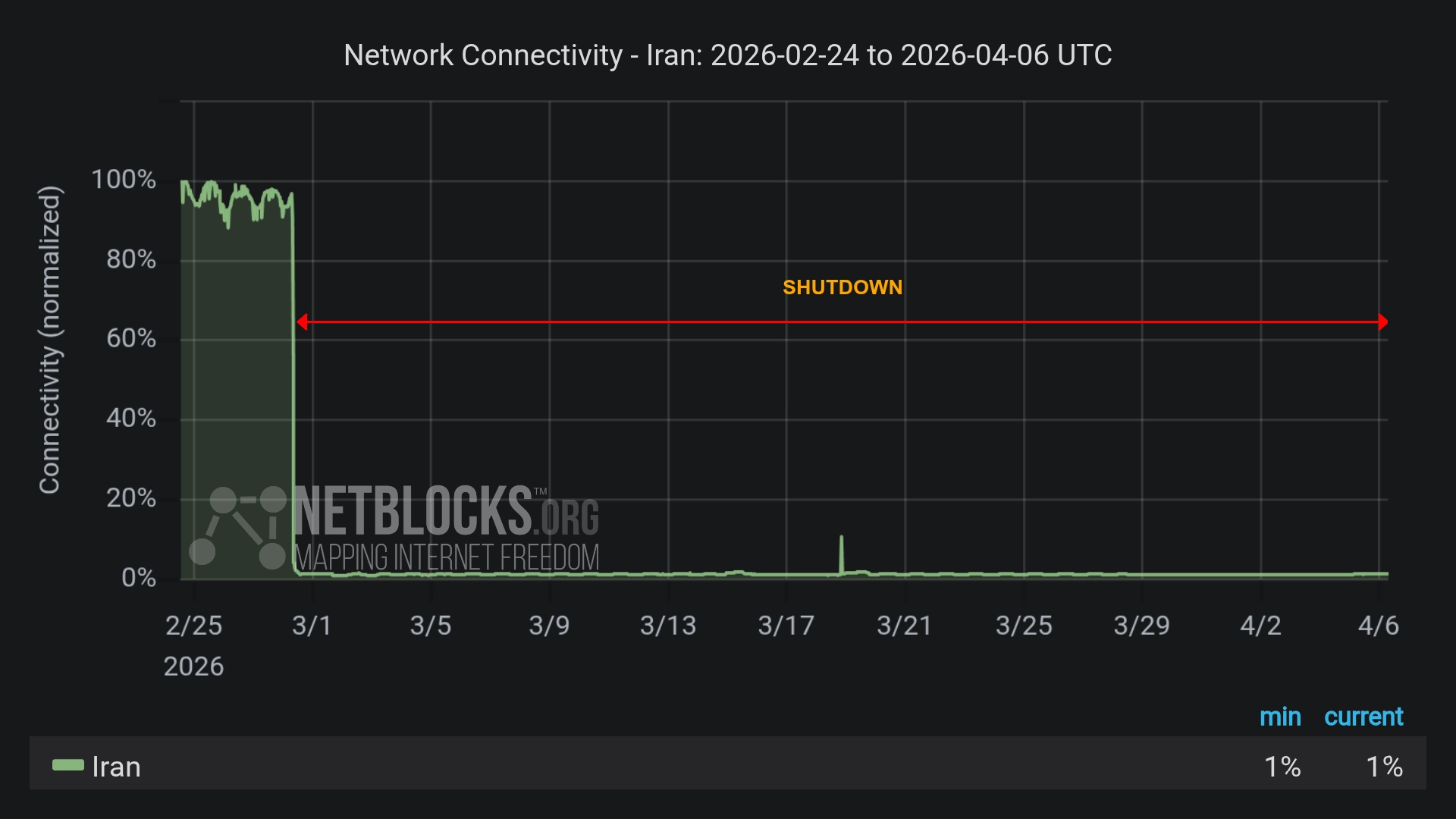 Iran’s Record Internet Blackout Deepens Civilian Isolation, Fuels Humanitarian Concerns
Iran’s unprecedented internet blackout, imposed after February’s strikes, has reduced connectivity to near zero, tightened state control over information, and set a global precedent for wartime digital isolation with significant humanitarian consequences. more
 U.S. Blocks Foreign-Made Routers Over Cybersecurity Fears
America has barred imports of new foreign-made routers, citing cybersecurity risks tied to espionage and infrastructure disruption, signalling a broader push to reduce reliance on Chinese technology in critical network systems. more
 Iran Targeted by Self-Propagating Malware in Supply-Chain Cyberattacks
Self-propagating malware hidden in open-source software is targeting Iranian systems, wiping data on infected machines while sparing others, signalling a shift towards precise, politically motivated cyber sabotage through widely trusted digital supply chains. more
ICANN is examining the widespread use of parked domains and zero-click redirection, seeking to understand how automated traffic routing and advertising practices affect transparency, consumer protection and trust in the global domain-name system. more
Security researchers have uncovered Kadnap malware infecting more than 14,000 routers worldwide, forming a resilient peer-to-peer botnet that exploits outdated edge devices and could enable covert communications, proxy traffic, and future cyber attacks. more
 Iranians Outsmart Internet Blackout to Broadcast Airstrikes
After US and Israeli strikes, Iran imposed a near-total internet blackout, yet citizens used satellite links and decentralized tools to share footage, undermining state control and exposing a growing contest over information in wartime. more
 Iran Expands Digital Dragnet After Crushing Protests
After quelling nationwide protests, Iran has intensified its use of digital surveillance, deploying phone tracking, facial recognition and online monitoring to identify, intimidate and detain dissenters through a vast state-controlled communications infrastructure. more
 David J. Farber, Early Architect of the Internet, Dies at 91
David J. Farber, a pioneering computer scientist and mentor to key architects of the Internet Protocol, has died at 91, leaving a legacy that helped transform isolated machines into the global network underpinning modern communication. more
Despite the long-anticipated exhaustion of IPv4 addresses, the Internet continues to function through clever workarounds, market transfers, and cautious optimism, while IPv6 adoption remains slow and the future of global connectivity appears uncertain. more
Iran is finalizing a nationwide internet isolation system that would allow authorities to disconnect from the global web, as protests continue and external equipment sources, including Huawei, remain shrouded in secrecy. more
Iran's regime has all but nullified, for the most part, Elon Musk's Starlink satellite network using advanced jamming, legal threats, and raids, turning a promising tool for protestors into a cautionary tale of digital authoritarianism. more
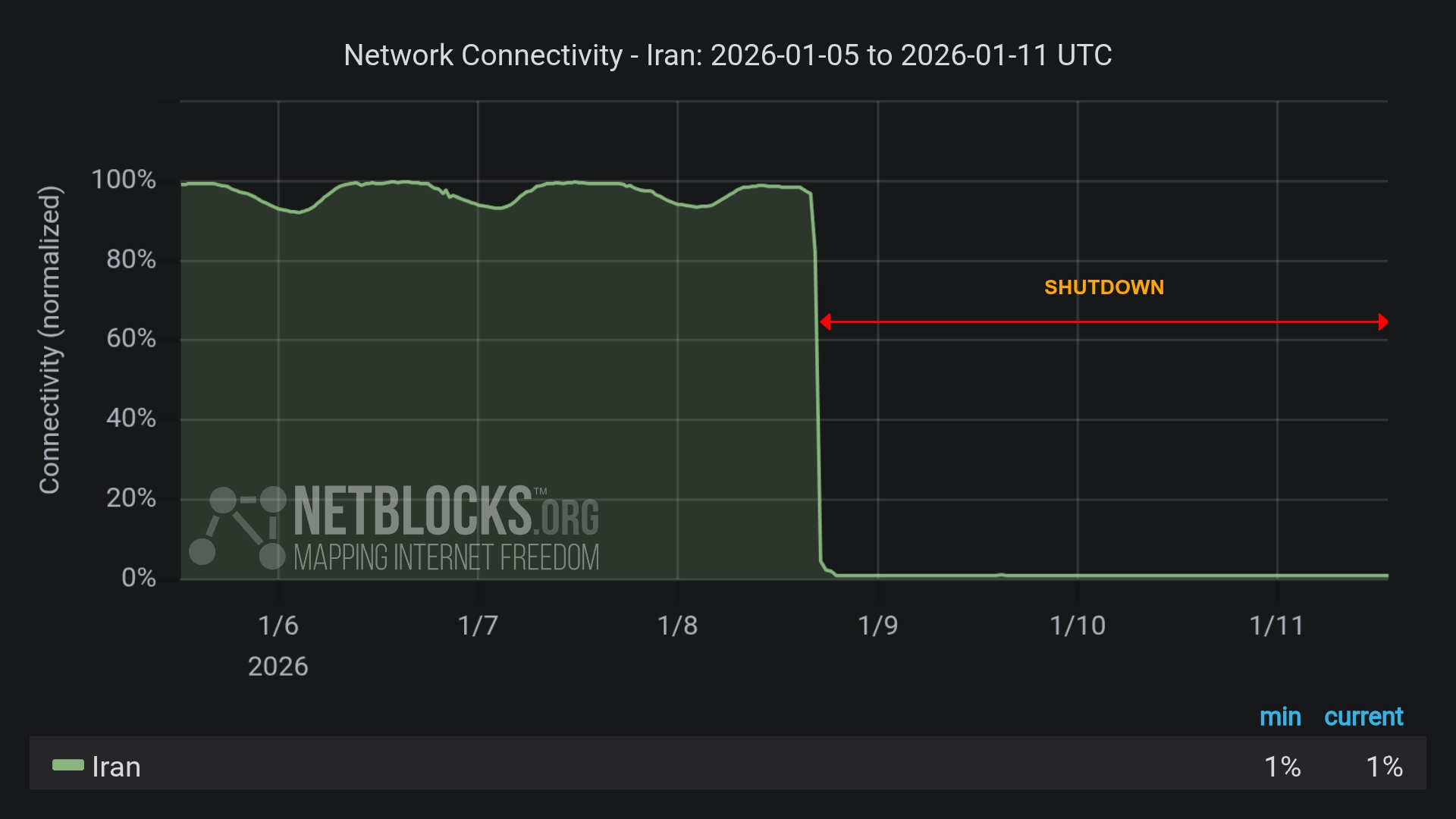 Iran Cuts Off Internet Nationwide as Regime Disrupts Even Starlink Amid Expanding Protests
Iran has imposed a sweeping internet blackout amid nationwide protests, disrupting even Starlink satellite service. The move marks a new level of digital repression, raising fears of an impending crackdown shielded from global view. more
ICANN will open applications for new top-level domains in April 2026, offering brands a rare chance to secure custom domain names to enhance trust, marketing flexibility, and long-term online security. more
As AI systems take on critical roles in telecommunications, global regulatory frameworks remain outdated and fragmented, leaving essential infrastructure vulnerable to novel risks that current laws on cybersecurity and data protection fail to address. more
The NANOG 95 conference spotlighted breakthroughs in fibre optics, wireless technology, routing security, and quantum computing, offering a forward-looking assessment of internet infrastructure and its vulnerabilities, as reported by APNIC's Geoff Huston. more
AWS is introducing Route 53 Accelerated Recovery to help organizations maintain DNS control during regional outages, offering a 60-minute recovery objective and sustained access to key API operations for critical updates and traffic management. more
 US Senators Move to Shield Undersea Internet Cables from Global Threats
A bipartisan Senate bill seeks to strengthen U.S. oversight and global coordination to protect undersea fiber-optic cables, vital infrastructure increasingly targeted by geopolitical adversaries, natural disasters, and cyber or physical sabotage. more
Global eSIM connections are projected to reach 4.9 billion by 2030, driven by China's rapid adoption, new provisioning standards, and growing demand across smartphones, industrial devices, and the expanding Internet of Things ecosystem. more
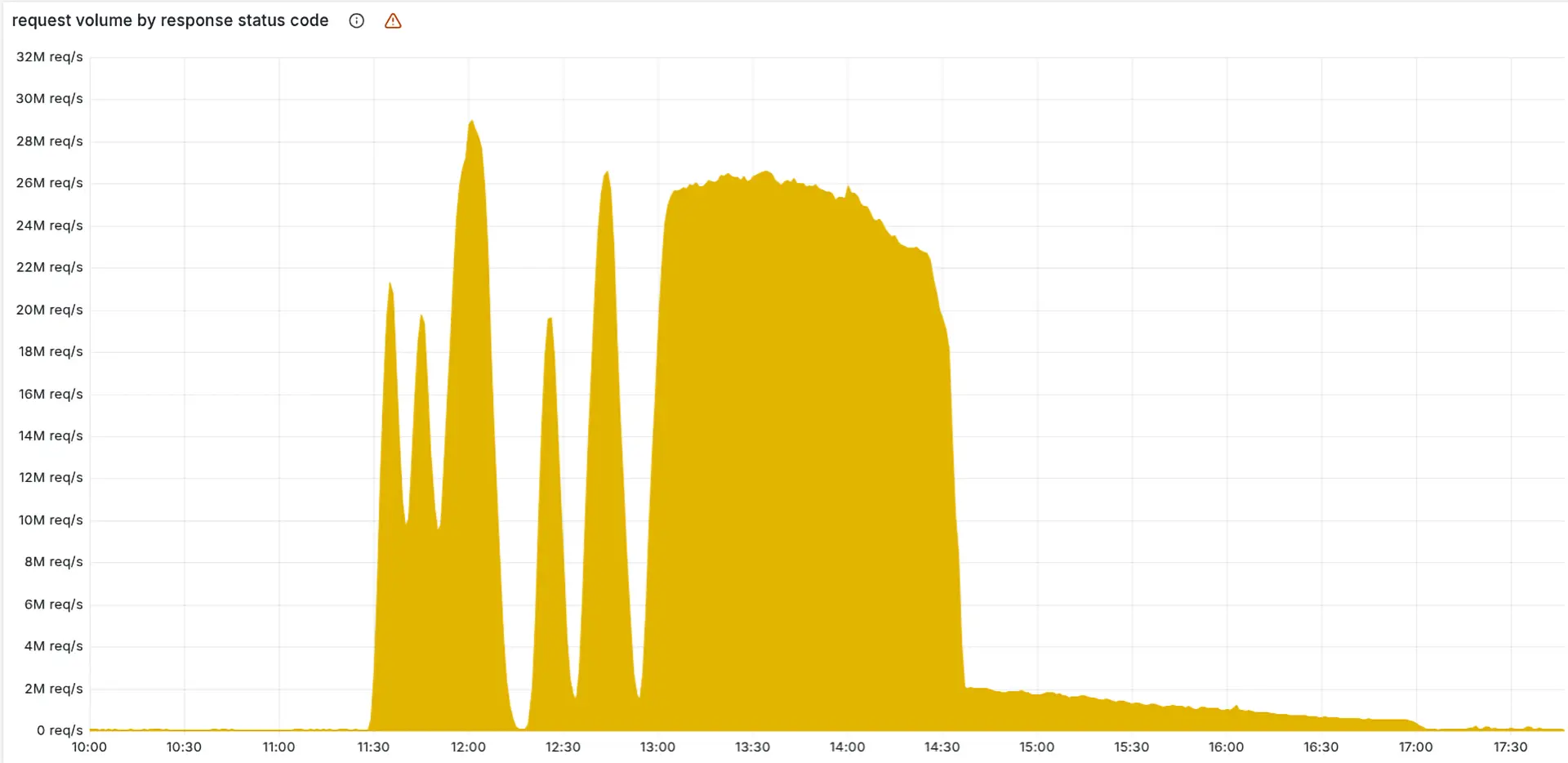 Configuration Chaos: Cloudflare Explains Major Outage in Detailed Post-Mortem
Cloudflare has detailed the cause of a global outage in a post-mortem report, revealing that a flawed internal database change -- not a cyberattack -- caused widespread service disruption across its network and customer systems. more
 Cloudflare Outage Highlights Internet’s Growing Single Points of Failure
Cloudflare's global outage caused cascading failures across the internet, reigniting concerns about the concentration of web infrastructure and the urgent need for more resilient, transparent systems to support critical online services. more
A Chinese-linked cyberattack exploited Anthropic's Claude AI to infiltrate global institutions with limited human input, prompting urgent calls for regulation and sparking debate over the growing autonomy of artificial intelligence in digital threats. more
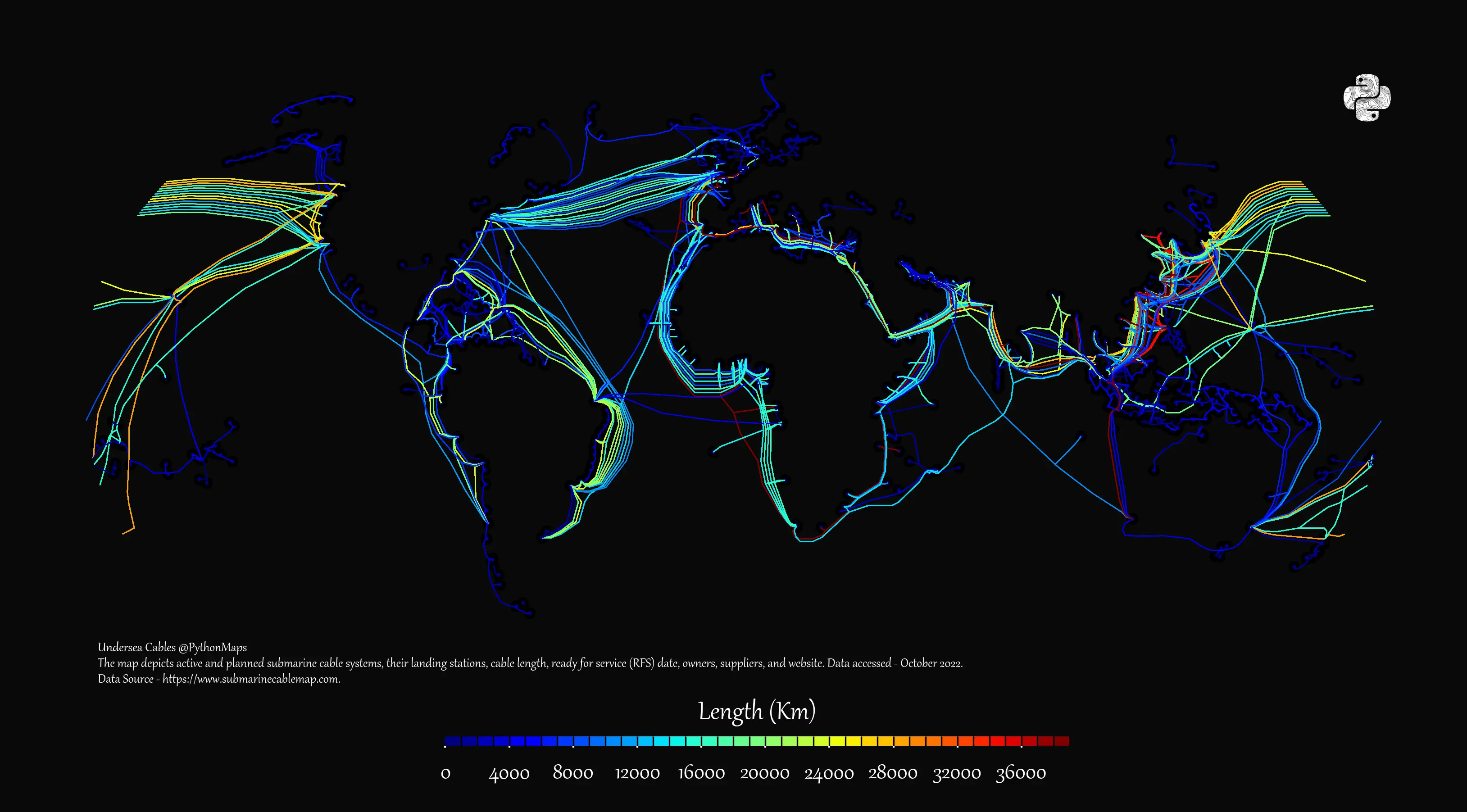 AI Boom Spurs Record Investment in Undersea Cables Amid Geopolitical and Security Concerns
As AI accelerates global data demand, tech giants are investing heavily in subsea cables. These critical networks face rising geopolitical scrutiny and security risks, reshaping the future of digital infrastructure and global connectivity. more
Alice Munyua criticises ICANN's support for a proposed African internet governance overhaul, arguing it undermines multistakeholder principles and sets a dangerous precedent of political interference in global internet infrastructure. more
Google's Threat Intelligence Group reveals that hackers are integrating AI models directly into malware, enabling live code mutation, stealthier operations, and dynamic payload execution while exploiting AI tools through deceptive prompts and underground marketplaces. more
Sponsored byRadix

Sponsored byDNIB.com

Sponsored byCSC

Sponsored byIPv4.Global

Sponsored byVerisign

Sponsored byVerisign

Sponsored byWhoisXML API


 After months of declining prices, the IPv4 market shows early signs of stabilisation, with firming prices, resilient global demand, and sustained transaction volume suggesting a gradual rebalancing rather than a structural downturn. more
 Keenadu backdoor embedded in Android firmware exploits supply chains and OTA updates, while DNS analysis of its infrastructure reveals coordinated domains, IP links, and early warning signals pointing to premeditated, scalable cybercriminal operations globally distributed. more
MuddyWater's Operation Olalampo targets MENA entities using new malware and Telegram-based control, as DNS analysis uncovers fresh infrastructure, thousands of linked domains, and expanded indicators pointing to a broader, coordinated campaign. more
LummaStealer's revival, paired with CastleLoader, reveals a more evasive malware ecosystem, leveraging obfuscation, DNS agility and vast infrastructure to reach over 100,000 potential victims while spawning hundreds of linked malicious domains and IPs globally observed. more
An analysis of 11 cyber threats from Red Report 2026 reveals how attackers exploit core MITRE ATT&CK techniques, with DNS and IoC data exposing early warning signals, infrastructure scale, and evolving tactics across campaigns globally. more
IPv4 prices continued to decline through 2025, particularly for large blocks, yet demand remained resilient as buyer participation broadened, liquidity improved, and the market transitioned toward more efficient price discovery entering 2026. more
Security researchers trace an updated CoolClient backdoor used by HoneyMyte, uncovering malicious domains, subdomains and IP links, and revealing a wider infrastructure of email and DNS-connected assets tied to data theft operations globally active. more
An analysis of DNS and WHOIS data tied to the PeckBirdy C&C framework uncovers expanded infrastructure, linking known IoCs to malicious domains, IPs, and email-connected assets across years of activity. more
 eco Association of the Internet Industry releases a white paper outlining a five-step framework to help companies integrate AI securely, counter emerging threats like deepfakes and phishing, and strengthen cyber resilience. more
As authorities pursue Black Basta's alleged leader, new analysis of campaign indicators reveals sprawling infrastructure, thousands of linked domains, and persistent ransomware tactics that rely on phishing, known vulnerabilities, and double-extortion pressure. more
What is a Dedicated IP VPN? A Dedicated IP VPN is a Virtual Private Network (VPN) service that provides users with a unique, static IP address assigned exclusively to them. Unlike a shared IP address, which is used by multiple users simultaneously, a dedicated IP is reserved for a single user, offering greater control and security over their online activities. more
Starlink provides high-speed, low-latency satellite internet, making it ideal for rural and remote areas lacking traditional broadband. Installation is user-friendly, and coverage continues to expand globally. However, the service is relatively expensive, and performance can be impacted by adverse weather. Overall, Starlink is a reliable choice for those without access to conventional internet options. more
ISPs can see that you are using a VPN, as they can detect encrypted traffic and the IP address of the VPN server. However, they cannot see the content of your data or the websites you visit while the VPN is active because the data is encrypted. This provides privacy for your online activities, though the fact that you're using a VPN itself is visible to the ISP. more
Satellite internet is a broadband service that connects users via signals transmitted between orbiting satellites and a satellite dish at the user's location. Unlike fiber or cable, it doesn't require physical infrastructure, making it essential in rural and remote areas. Although historically slower with higher latency, advancements like Low Earth Orbit (LEO) satellites have improved speed and reduced delays, enhancing overall performance. more
Yes, NordVPN still works with Netflix in 2024. It effectively bypasses geo-restrictions, unlocking libraries from major regions like the U.S., UK, Japan, and more. However, occasional issues like blocked servers or slow connections may arise. Troubleshooting, such as switching servers or using SmartPlay, typically resolves problems and maintains reliable access to Netflix. more
NordVPN offers two ways to try the service risk-free: a 7-day free trial for Android users and a 30-day money-back guarantee for all users. Both options allow full access to NordVPN's premium features. The trial requires payment details but can be canceled before charges occur. NordVPN provides superior security, performance, and global content access compared to free alternatives. more
NordVPN stands out for its unique double encryption, adding an extra layer of privacy. With blazing-fast servers in 60 countries, it's perfect for streaming, gaming, and bypassing geo-blocks. Its strict no-logs policy and advanced features like CyberSec ad-blocker make it a top choice for anyone seeking strong security and seamless performance. more
The best countries for VPN server locations include Switzerland, Iceland, and Panama for privacy, Germany, Japan, and the United States for fast connections, and the U.S., U.K., and Canada for streaming. These countries offer strong privacy laws, advanced infrastructure, and optimal performance for various online activities. more
VPNs are critical for remote work because they secure data by encrypting internet connections, protecting sensitive company information from cyberattacks. They also enable remote access to company networks, ensuring employees can work safely from any location while maintaining privacy and compliance with security policies. more
A VPN protects you by encrypting your internet connection, hiding your IP address, and routing your data through a secure server. This shields your online activities from hackers, trackers, and surveillance, ensuring privacy and security, especially on public Wi-Fi or when accessing sensitive information. more
A World-Renowned Source for Internet Developments. Serving Since 2002.