
Welcome:
Login
|
Sign Up
|
About CircleID
Follow:
|
|
|

 A dispute over 6.2m IPv4 addresses at AFRINIC exposes how litigation and market incentives could erode regional stewardship, setting a precedent that risks turning the Internet's allocation system into a vehicle for global arbitrage.
 As ICANN opens its 2026 round, firms sharing trademarks must weigh applying for a .BRAND domain against legal risks and competitive loss, with evidence suggesting first movers gain advantage while objections rarely prevail.
 A once-trusted internet protocol is showing its age. DNSXplore, a global DNSSEC archive, exposes weaknesses, improves diagnostics and nudges adoption, helping secure the cryptographic chain underpinning online trust.
 Internet number resources, once clerical entries, now underpin real economic value, exposing a mismatch between registry power and accountability, while misplaced political narratives obscure the case for decentralised, operator-led control.
Africa's internet registry crisis reflects not abstract design flaws but sustained legal and market pressure, as scarce address resources are drawn into global arbitrage, challenging stewardship and exposing the fragility of regional digital governance.
 AWS has quietly acquired nine million more IPv4 addresses, turning internet scarcity into strategic leverage. As hyperscalers consolidate dwindling supply worldwide, IPv4 is evolving from legacy protocol into a profitable infrastructure moat for cloud giants.
IPv4 scarcity turned regional internet registries from clerks into gatekeepers of a valuable resource. Yet liability caps remain trivial, leaving powerful institutions with little accountability and incentives for conflict and structural breakdown ahead.
 As IP addresses move across borders, outdated geolocation guesses cause service failures and regulatory risks. Geofeed and Signed Geofeed replace inference with verified declarations, promising accurate, resilient and sovereign foundations for global internet infrastructure governance.
 The FCC warns telecom companies of rising ransomware threats after attacks quadrupled since 2022. The agency urges stronger defenses including patching, multifactor authentication, network segmentation, and closer oversight of vendors and incident response planning.
 Iran's near-total internet blackout during airstrikes reveals how cyberattacks, sanctions and platform power can isolate a nation. The conflict shows digital infrastructure, satellites and cloud services becoming decisive weapons in modern geopolitical competition worldwide today.
 Digital travel credentials promise to streamline air travel by enabling privacy-preserving identity sharing across borders. Their success will depend on interoperable standards, trusted governance and gradual adoption alongside passports worldwide as governments airlines cooperate.
 At ICANN85, reflection on WSIS+20 highlights a quieter milestone: youth successfully secured recognition as a distinct stakeholder group, reshaping how Internet governance defines participation and offering a blueprint for other overlooked communities seeking voice today.
 Governance rules built for the early Internet are struggling to keep pace with a global, automated network. As IPv4 markets mature and infrastructure becomes software-defined, registries may need to prioritise transparency and automation over permission.
 Bad actors are exploiting DNS with growing sophistication. New domains dominate threat infrastructure, daily user exposures are rising, and AI is accelerating attack creation, making DNS intelligence an increasingly critical early-warning system for modern cyber defence.
Exploding internet traffic and AI demand are driving a rapid upgrade in fibre transport lasers, from early one gigabit systems to 400, 800 and even 1.6 terabit links reshaping backbone capacity worldwide as networks scale.
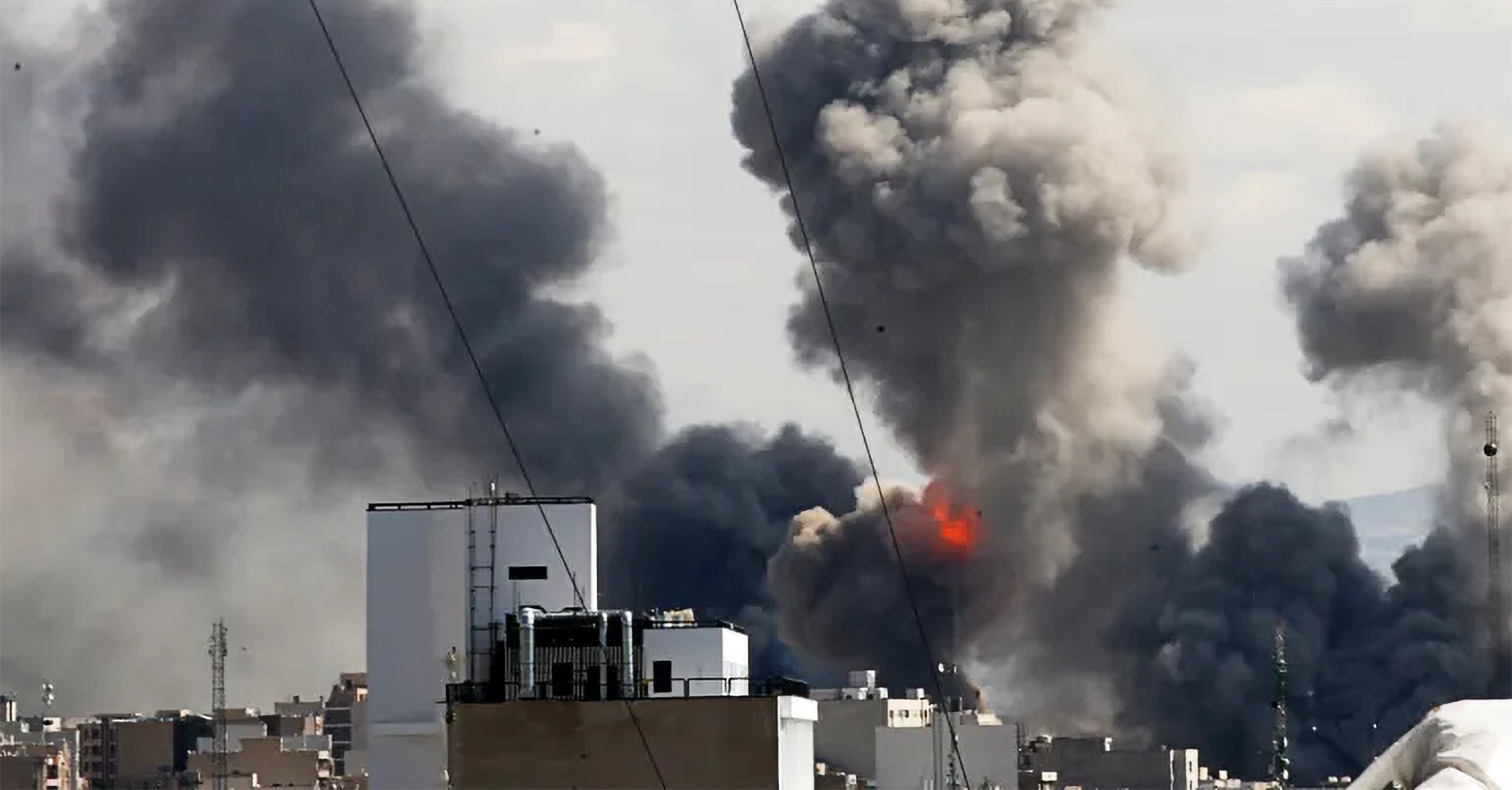 Iranians Outsmart Internet Blackout to Broadcast Airstrikes
 Iran Expands Digital Dragnet After Crushing Protests
 David J. Farber, Early Architect of the Internet, Dies at 91
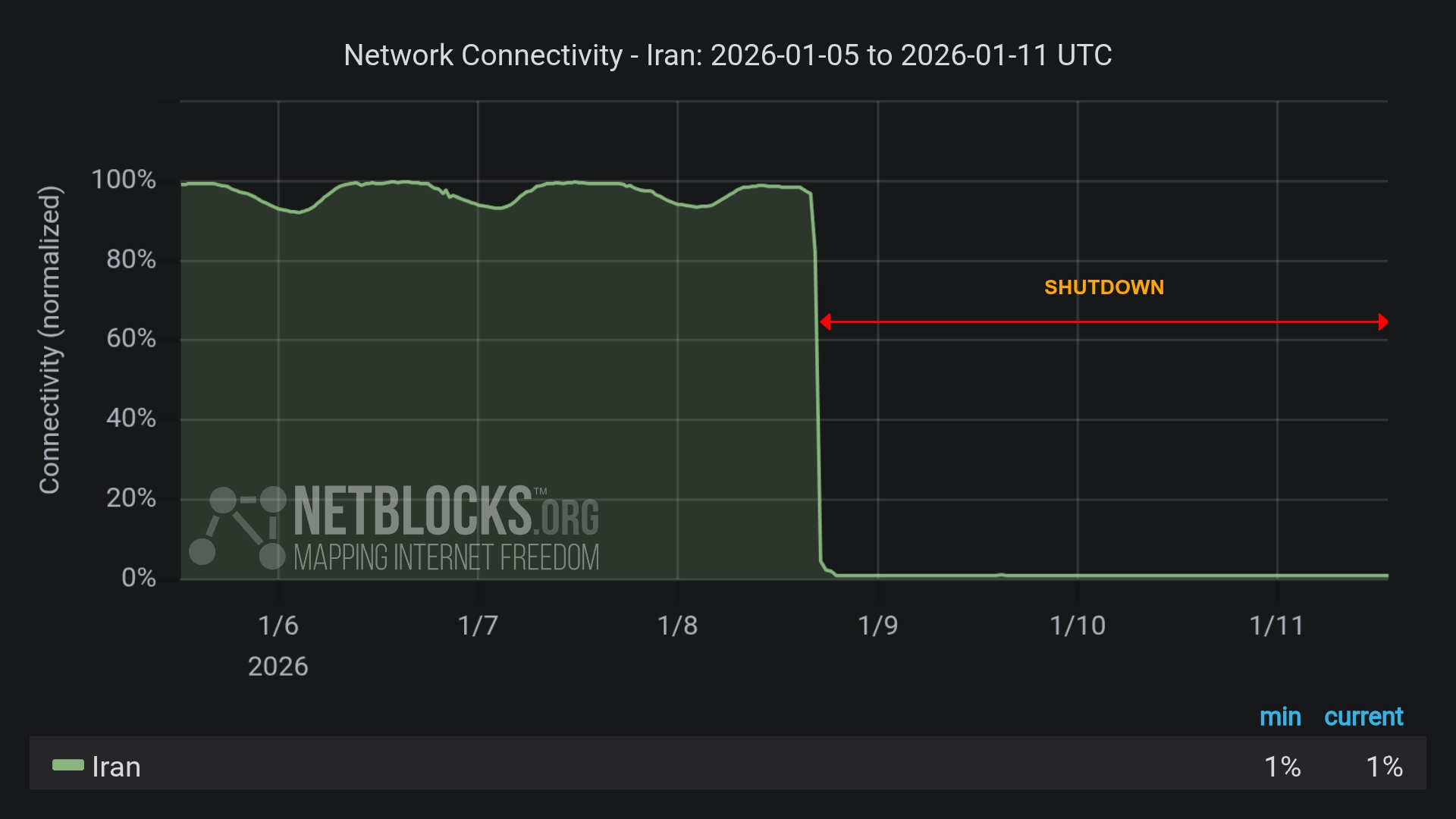 Iran Cuts Off Internet Nationwide as Regime Disrupts Even Starlink Amid Expanding Protests
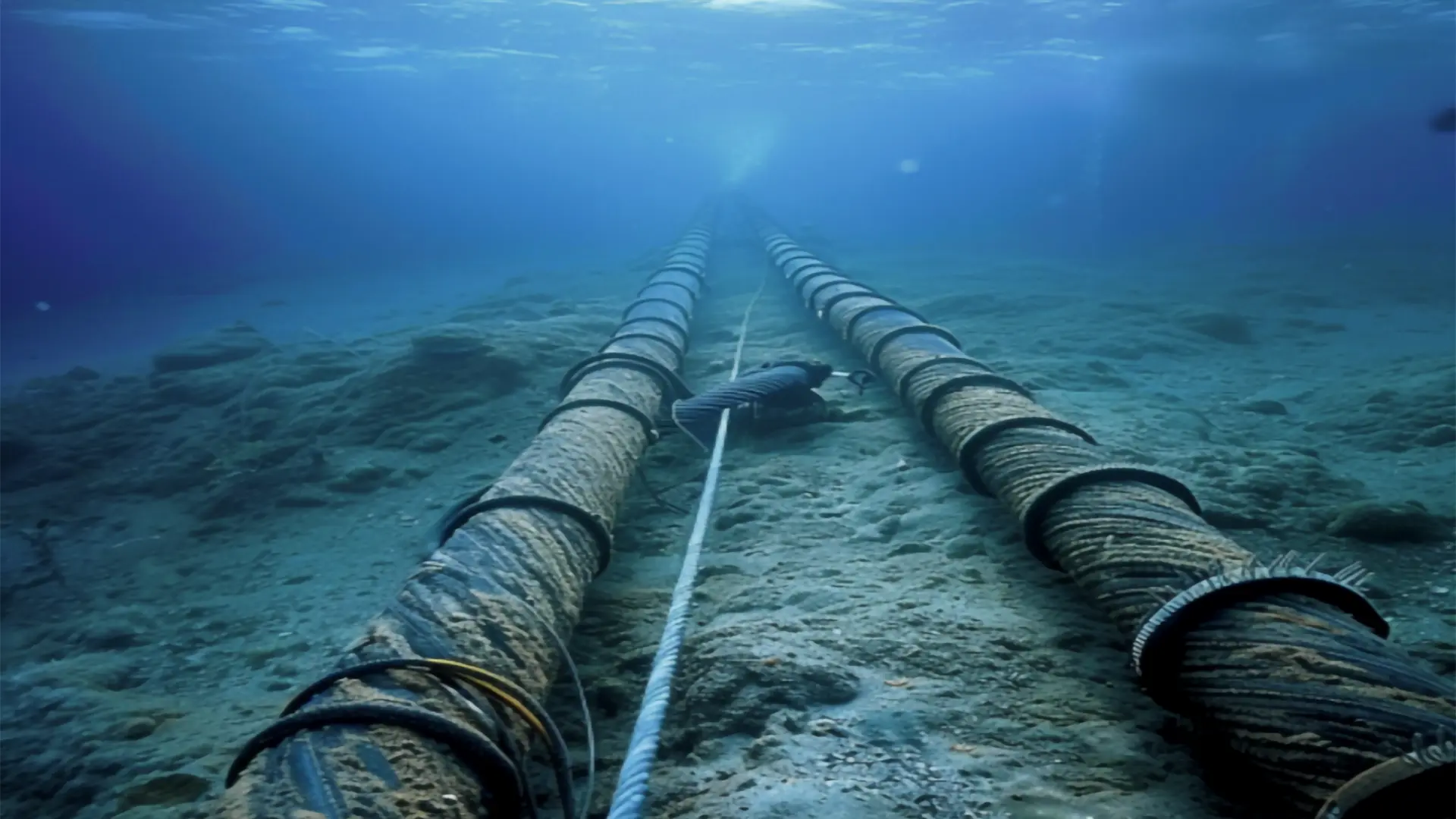 US Senators Move to Shield Undersea Internet Cables from Global Threats
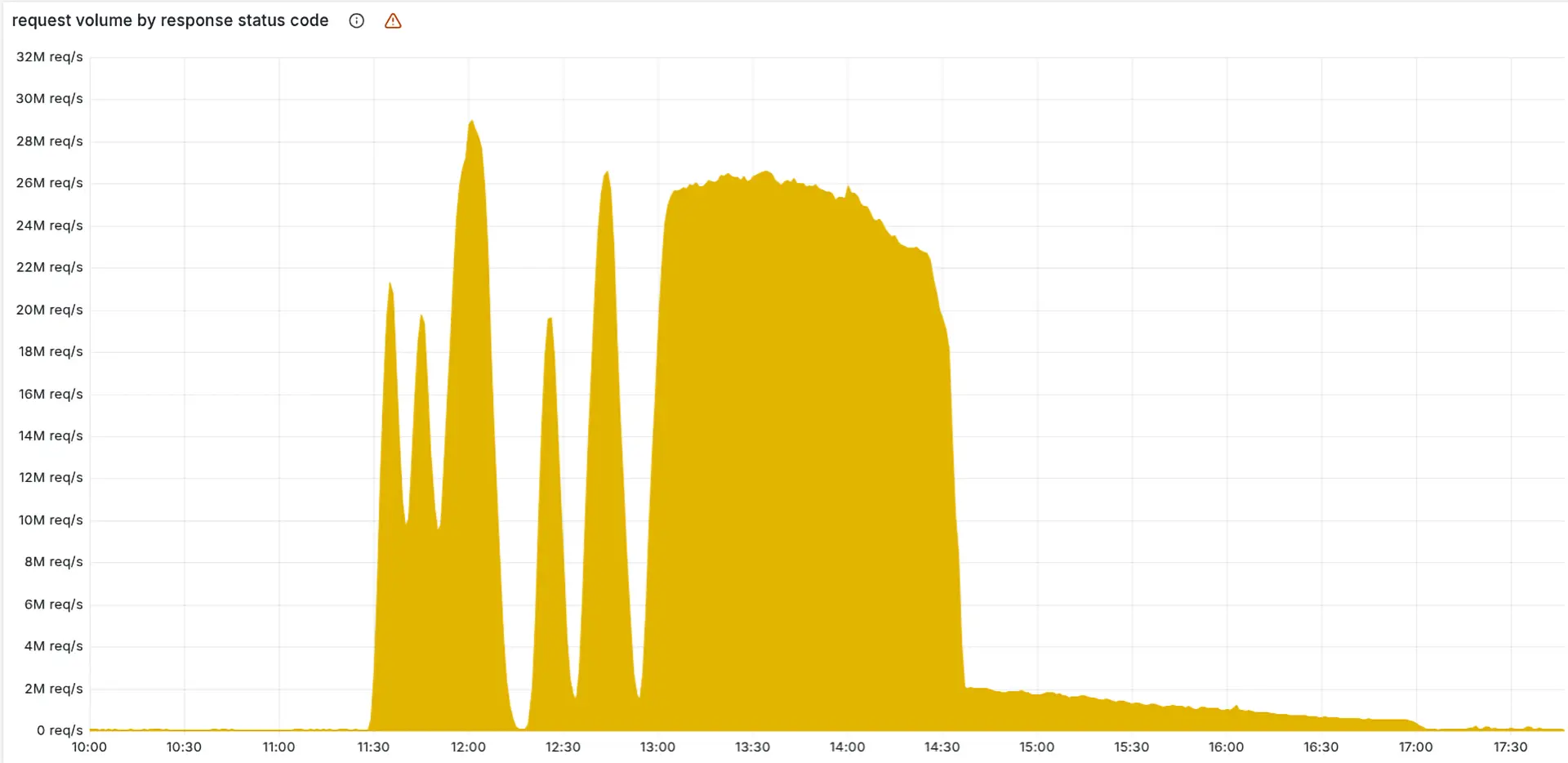 Configuration Chaos: Cloudflare Explains Major Outage in Detailed Post-Mortem
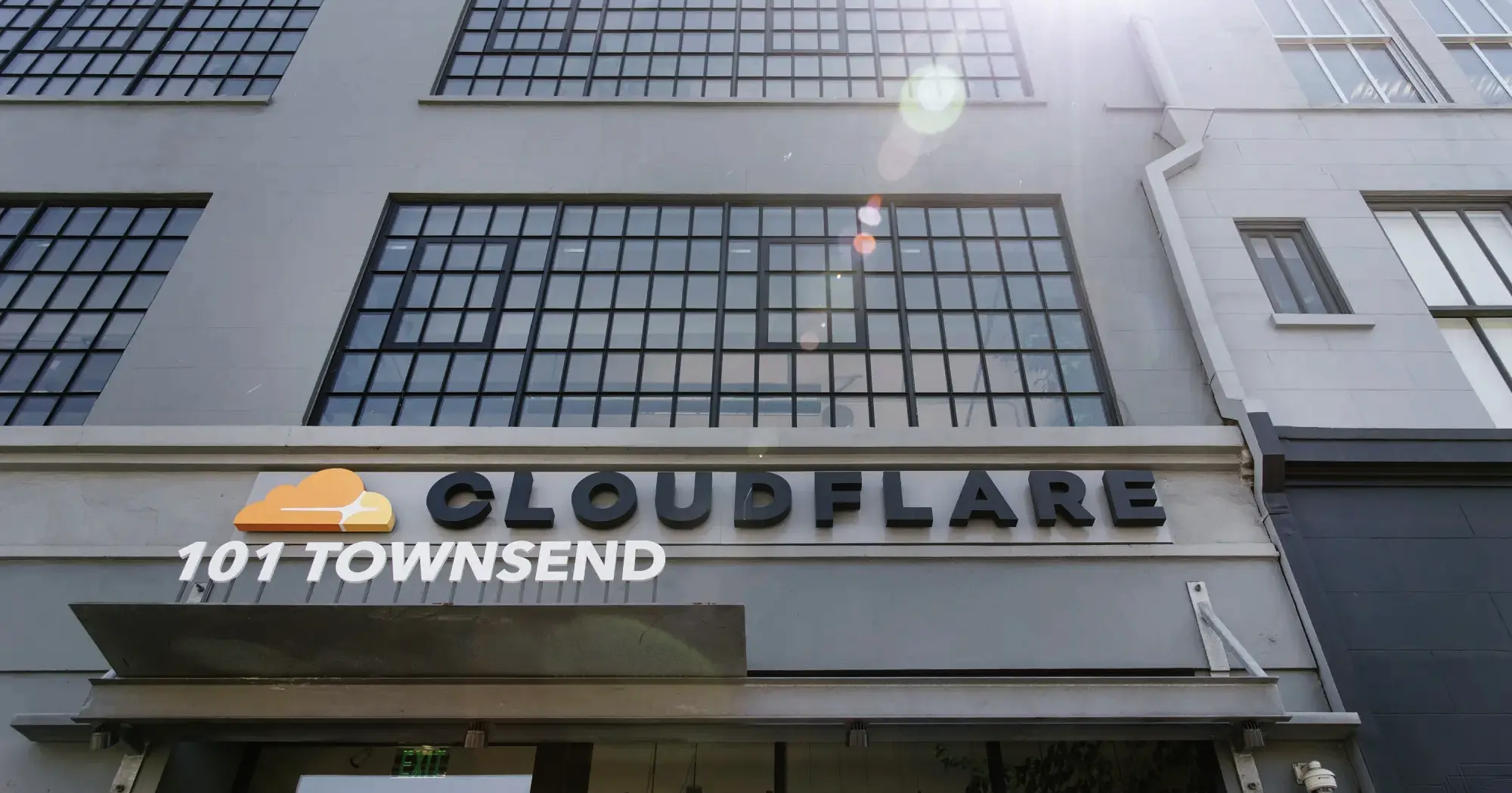 Cloudflare Outage Highlights Internet’s Growing Single Points of Failure
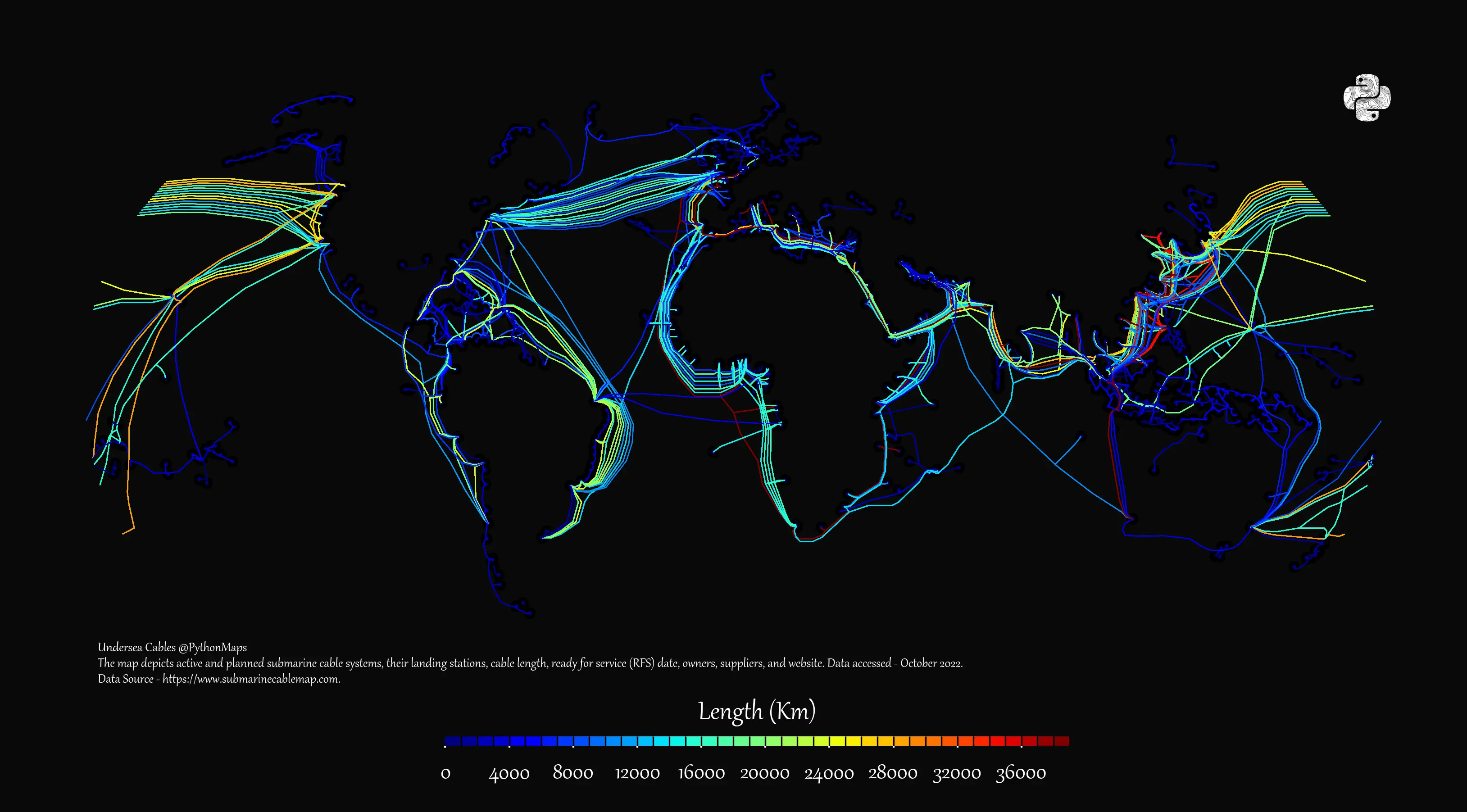 AI Boom Spurs Record Investment in Undersea Cables Amid Geopolitical and Security Concerns
A World-Renowned Source for Internet Developments. Serving Since 2002.